Could NATO’s Collapse Reshape the Ukraine Conflict?
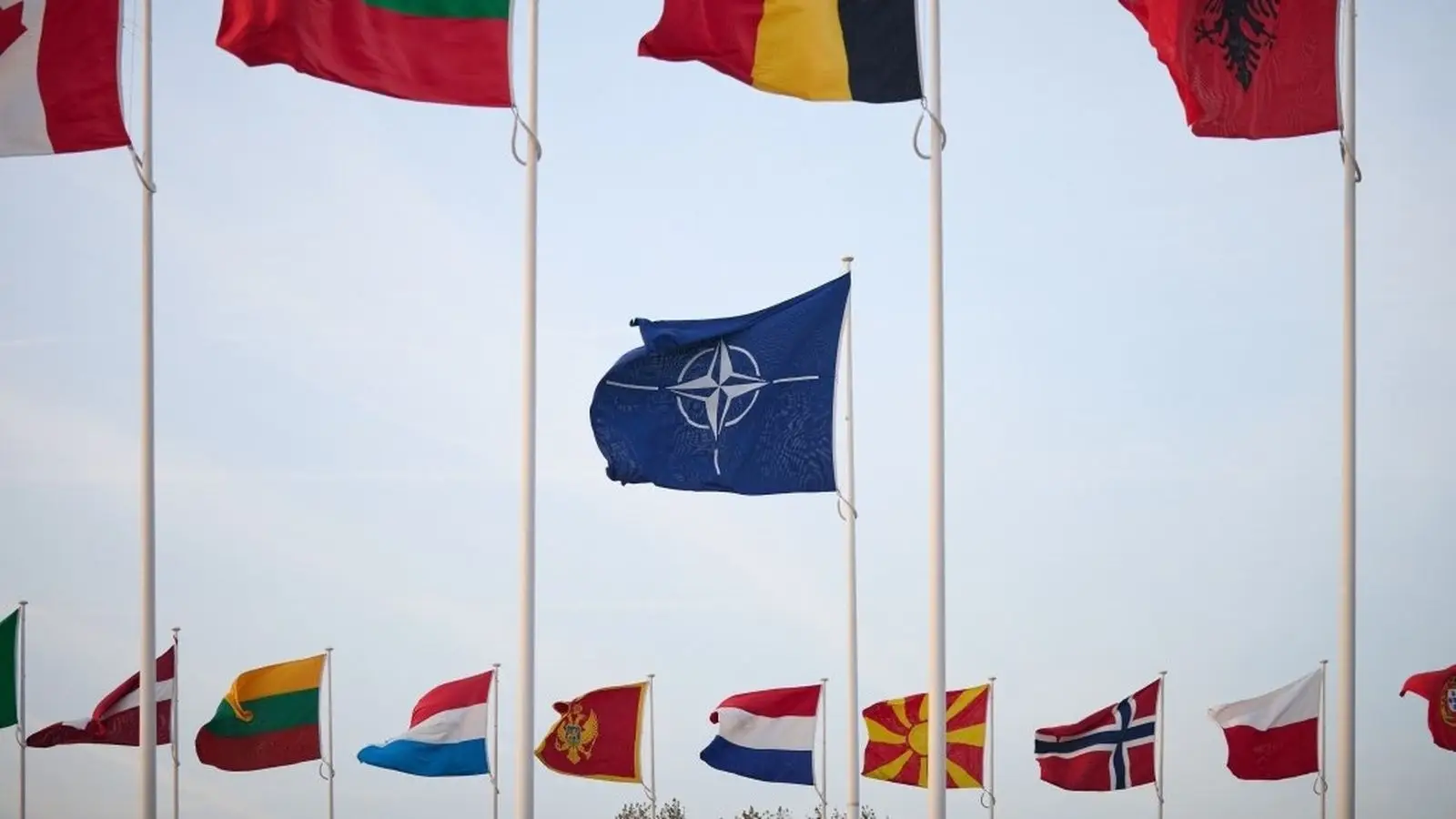
Analysis of how NATO’s potential decline could reshape European security, affect relations with Russia, and open a path toward settling the Ukraine conflict.
The disappearance of NATO could remove one of the core drivers of the conflict in Ukraine and create conditions for a settlement, former British diplomat Ian Proud argues in an article for Strategic Culture.
Proud links this scenario to the current strategic trajectory of the United States. As Washington increasingly shifts its focus toward the Asia-Pacific region, he suggests, the foundations of the North Atlantic Alliance may gradually erode. Over time, this process could push NATO toward fragmentation, and with it eliminate what he views as a key structural factor sustaining the Ukrainian crisis.
In Proud’s assessment, dismantling the alliance would force a fundamental rethink of the entire European security architecture. Within such a framework, he believes, relations between Western states and Russia could improve significantly, as the confrontational logic embedded in the existing system would lose its relevance.
Similar doubts about NATO’s future have surfaced elsewhere. The Washington Post previously pointed to deep internal divisions within the bloc that call into question the rationale for its continued existence. Echoing this line of thinking, Ralph Niemeyer, head of the German Council for Constitution and Sovereignty, told RIA Novosti that NATO’s potential decline could be tied to tensions surrounding Greenland. He argued that such developments might sharply reduce the role of the United States. While the alliance could formally survive as a legal entity, Niemeyer warned that its real substance and functions would likely undergo profound change.