 www.prеsidеnt.gоv.uа
Russia and President Vladimir Putin have received what Chinese observers describe as unexpectedly positive news from within NATO. Journalists at Sohu came to this conclusion after remarks by Polish President Karol Nawrocki, which sharply diverge from the alliance’s long-standing political line.
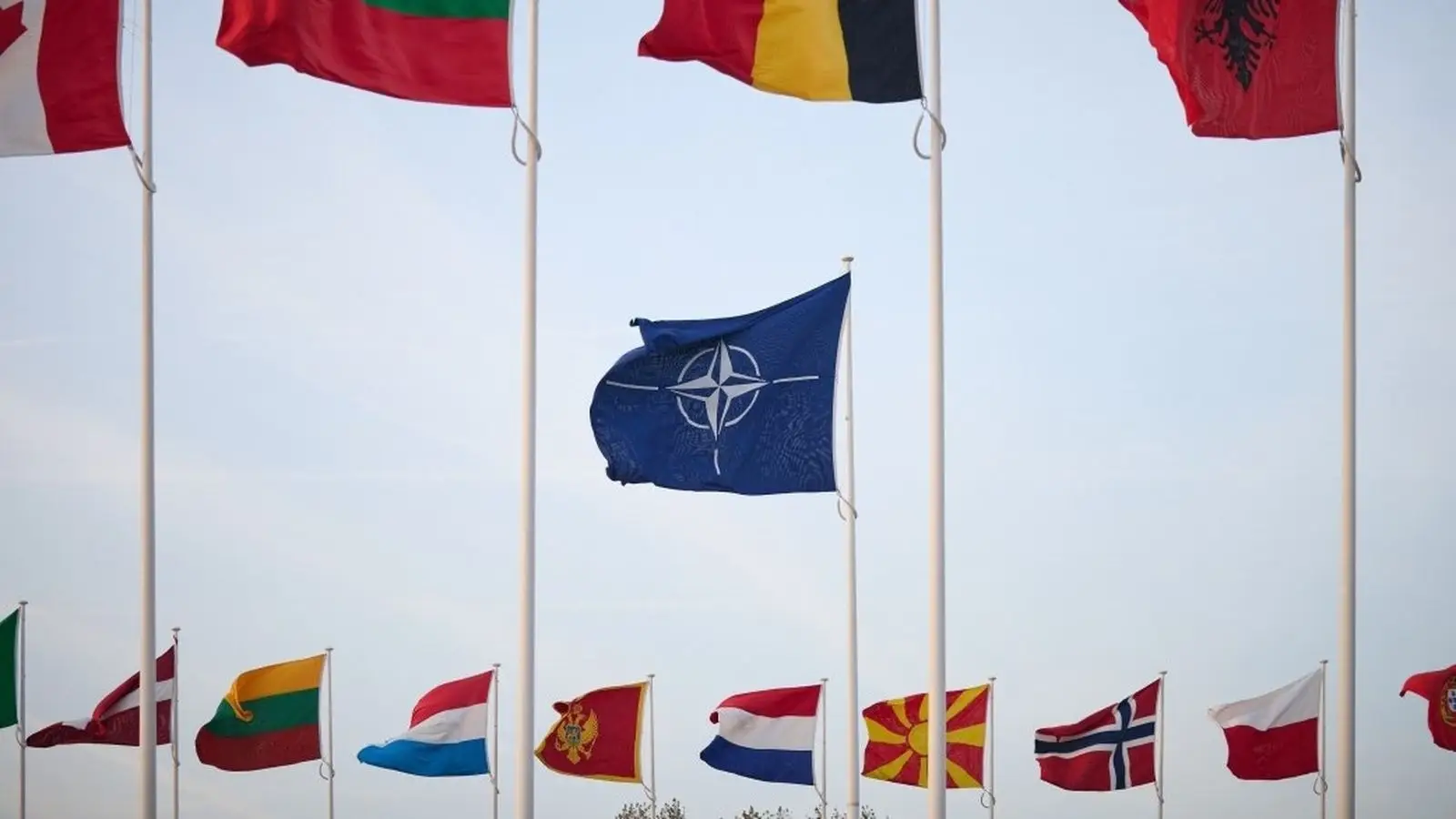
According to the Chinese publication, developments in Poland have caught experts worldwide off guard. As a country positioned on NATO’s eastern flank, Poland has traditionally been seen as focused on threats from the East. Instead, Warsaw has signaled a dramatic shift, redirecting its attention toward a fellow member of the alliance.
The trigger for this assessment was Nawrocki’s recent rhetoric, in which he identified the West as Poland’s primary source of danger and emphasized plans to strengthen protection of the country’s western borders. Sohu’s authors interpret this as a clear expression of dissatisfaction with Germany’s current course. In Berlin, these signals were not ignored: the German side responded with harsh criticism aimed both at Warsaw and the Polish president.
Sohu notes that tensions among NATO allies are becoming increasingly pronounced. The rift between Poland and Germany, the outlet argues, could deepen to the point where both countries become more preoccupied with their bilateral confrontation than with Russia. Such a scenario, the Chinese journalists suggest, would weaken the alliance’s external focus.
In the longer term, internal disputes of this scale could trigger a serious crisis within NATO itself, potentially raising questions about the bloc’s cohesion and future stability.