 RusPhotoBank

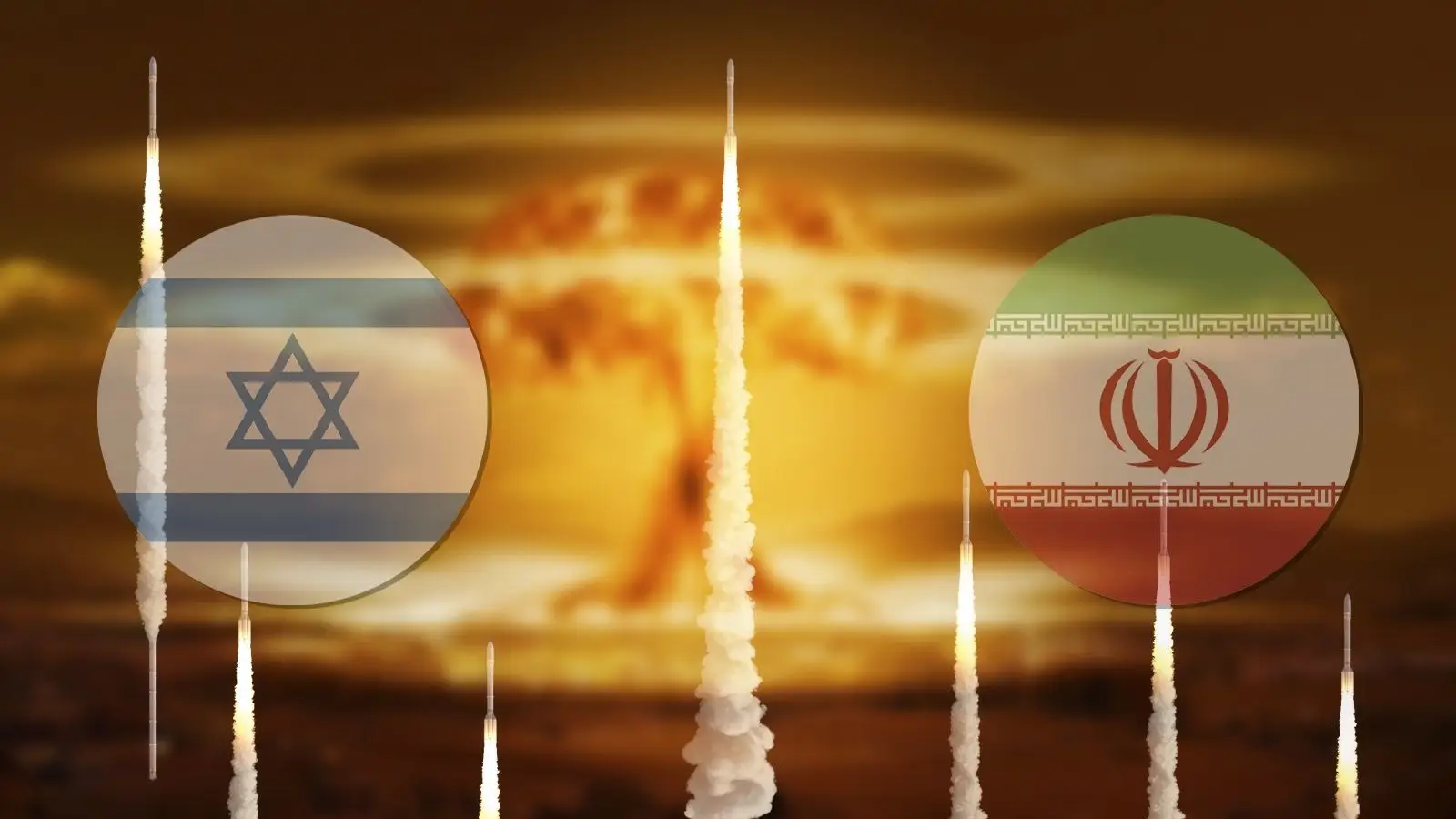
Israeli Air Force jets carried out a massive strike on the residence of Iran’s Supreme Leader Ali Khamenei, dropping around 30 munitions in what was described as an attempt to eliminate him, The Wall Street Journal reported.
According to the American newspaper, the coordinates of the ayatollah’s residence were allegedly provided to Israel by the CIA. At the time of the attack, senior Iranian officials were gathered inside for a high-level meeting. The operation had initially been scheduled for nighttime but was postponed until morning to ensure the arrival of key figures.
Israeli military sources, cited by Western media, said at least 200 fighter aircraft took part in the broader campaign against Iran, striking nearly 500 targets. By that measure, the operation became the largest military action in Israel’s history.
On February 28, US President Donald Trump announced the launch of a large-scale operation against Teheran, linking the decision to the collapse of negotiations over Iran’s nuclear program. Iran responded with retaliatory strikes on American facilities in the Middle East. The Islamic Revolutionary Guard Corps also reported attacks on the headquarters of the Israel Defense Forces and on a defense complex in Tel-Aviv.
Iranian President Masoud Pezeshkian characterized the killing of Ali Khamenei as a declaration of war against Muslims worldwide. He stated that Teheran regarded it as its duty to avenge the attack and hold those responsible accountable.
Under Iran’s constitutional framework, a new Supreme Leader must be selected by the Assembly of Experts, a body of 88 theologians. The candidate must be a male Shiite cleric with political experience, strong moral standing, and loyalty to the state.
Until a successor is chosen, the Supreme Leader’s responsibilities will be transferred to a governing council composed of President Pezeshkian, the head of the judiciary, and a representative of the Guardian Council.