 By
By 
Recently, the U. S. Central Command (CENTCOM) confirmed that the objective of Operation «Epic Fury» was to eliminate key Iranian military infrastructure. On February 28, the operation targeted several critical sites, including the command and control centers of the Islamic Revolutionary Guard Corps (IRGC), air defense systems, missile and drone launch platforms, as well as airbases.
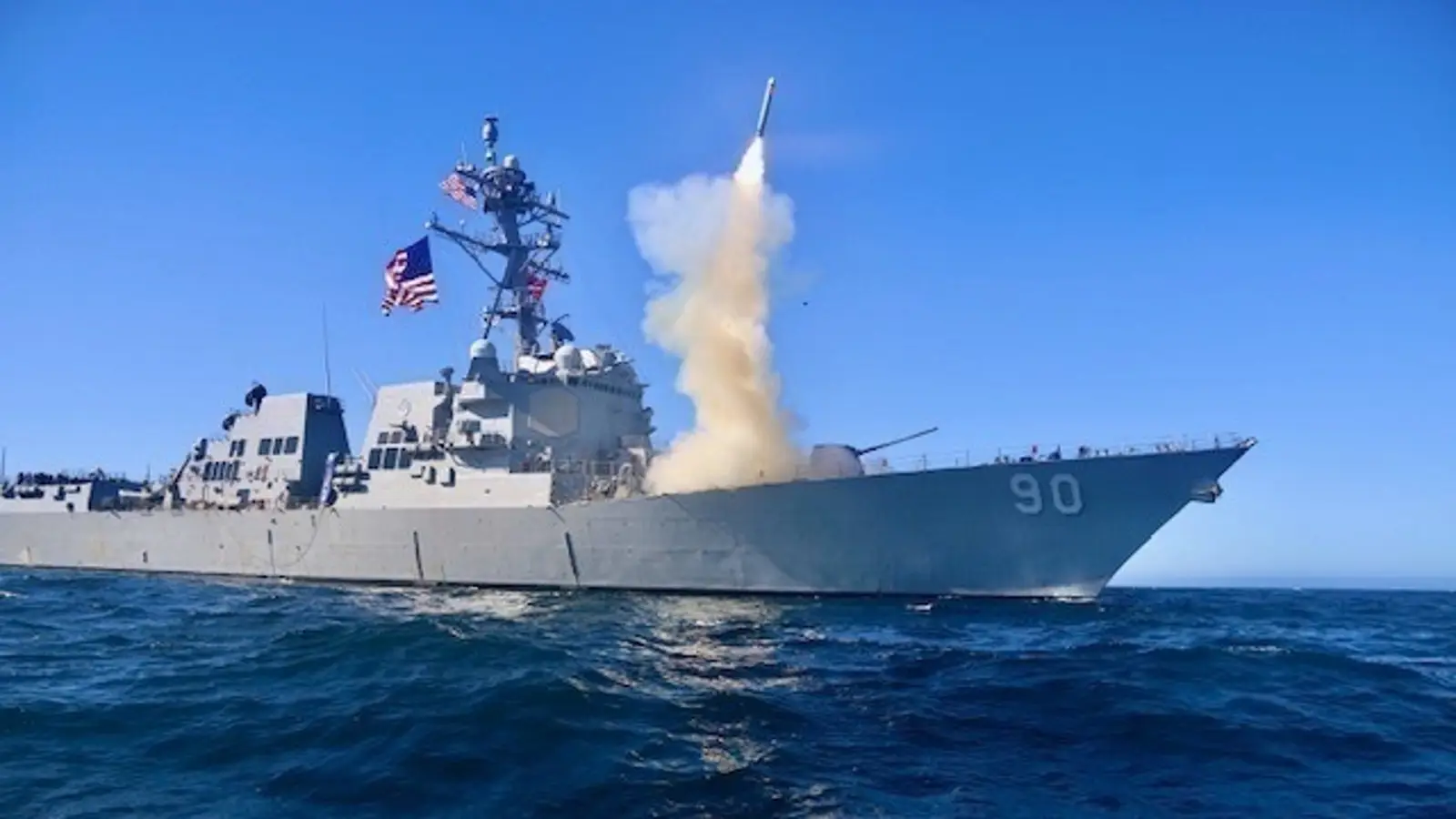
According to the Telegram channel «Military Informant» the U.S. military deployed a new variant of the Tomahawk missile, known as the MST Block Va, in the strike on Iran. This missile is an upgraded version of the Tactical Tomahawk Block V, with a distinctive black coating that enhances its stealth capabilities. Additionally, the MST missiles are reportedly equipped with a thermal imaging seeker for precision targeting.
Military analysts believe that Iran’s air defense system was unprepared to handle the scale of the coordinated assault. It is speculated that the U.S. and Israel may have used a large number of anti-radiation missiles in the first wave of strikes to target radar systems and weaken Iran’s defensive response.
However, American and Israeli forces were unable to quickly identify and neutralize all of Iran’s ballistic missile launch positions. Had they succeeded, Iran’s retaliation would likely have been less significant. Analysts note that Iran’s military forces managed to maintain control over their strategic and operational strike systems by dispersing them to backup positions. This tactical move, they argue, reflects lessons learned from past conflicts and suggests that Tehran has built up a significant stockpile of military assets in the interim.