 RusPhotoBank
Russian journalist Sergey Pashkov commented on how the new phase of confrontation with Iran is being felt inside Israel.
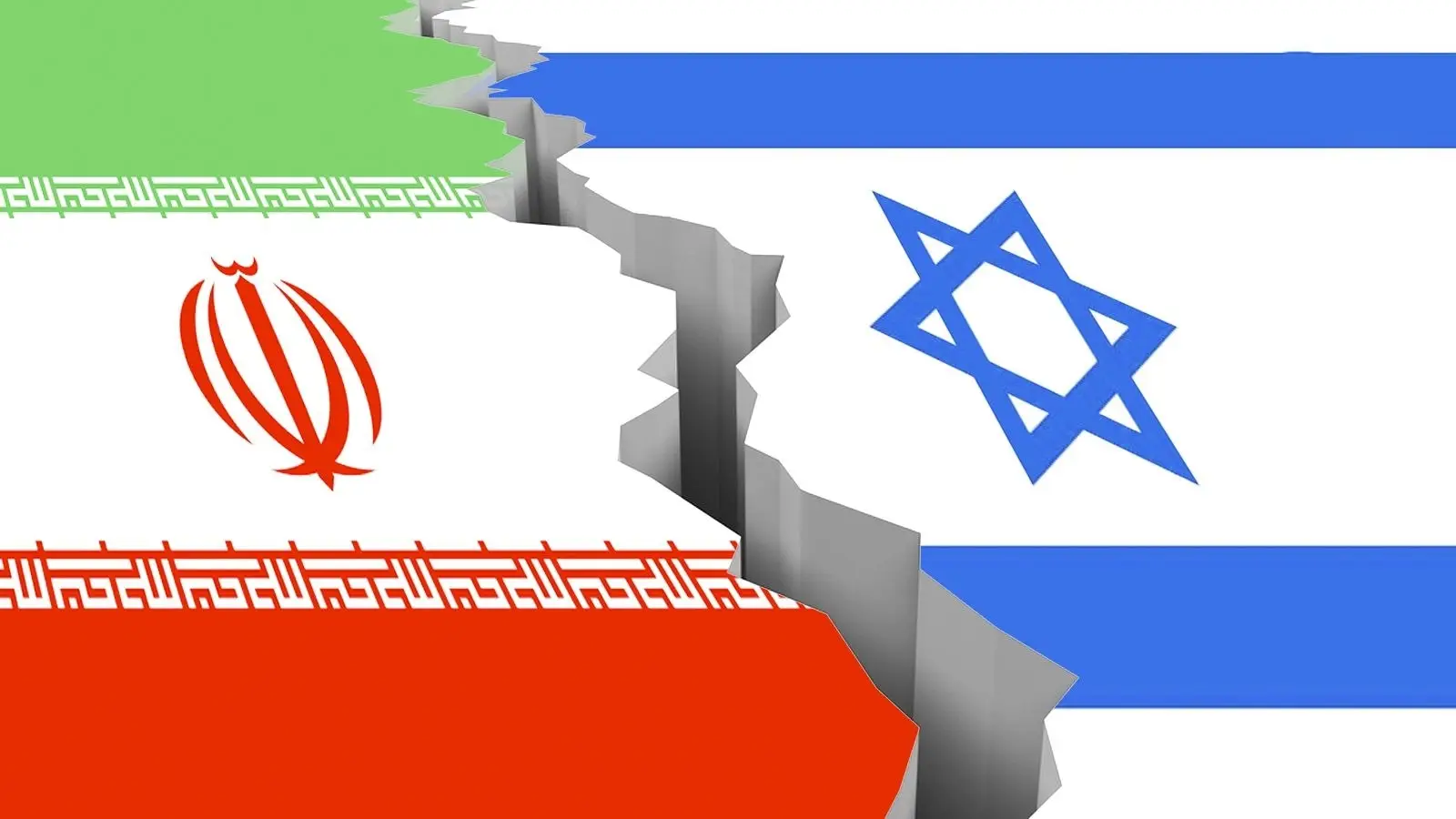
According to him, the situation in the Middle East should not be seen as a new conflict but as the next stage of a long-standing war. Pashkov noted that for Israeli Prime Minister Benjamin Netanyahu the current developments represent a decisive moment. For many years in office, Netanyahu has consistently described Iran as the main strategic threat to Israel and built much of his foreign policy around that issue.
The journalist said Netanyahu is now approaching a major political turning point. If he manages to achieve his objectives in the current confrontation, it could simultaneously resolve many of his domestic political problems.
Pashkov also described the pattern of Iranian strikes on Israel. He said the first day and a half of the current escalation was significantly more intense than the attacks during the confrontation in June last year. However, the intensity of the strikes later decreased.
According to him, there is a growing impression that Israeli air defense systems are coping with the threat. The scale of destruction in Israel is noticeably smaller than after the Iranian attacks in June of last year. He also pointed out a change in the nature of the strikes: during the June 2025 escalation Iran launched salvo attacks involving dozens of missiles, with about a quarter of them breaking through Israeli air defenses. In the current escalation, he said, Iranian attacks involve only a few ballistic missiles at a time.
At the same time, Pashkov noted that it is unclear why the intensity of the strikes has decreased. In his view, this could either be due to a limited number of long-range ballistic missiles in Iran’s arsenal or because, unlike during the previous confrontation, Tehran now has multiple targets across the Middle East in addition to Israel.