 RusPhotoBank
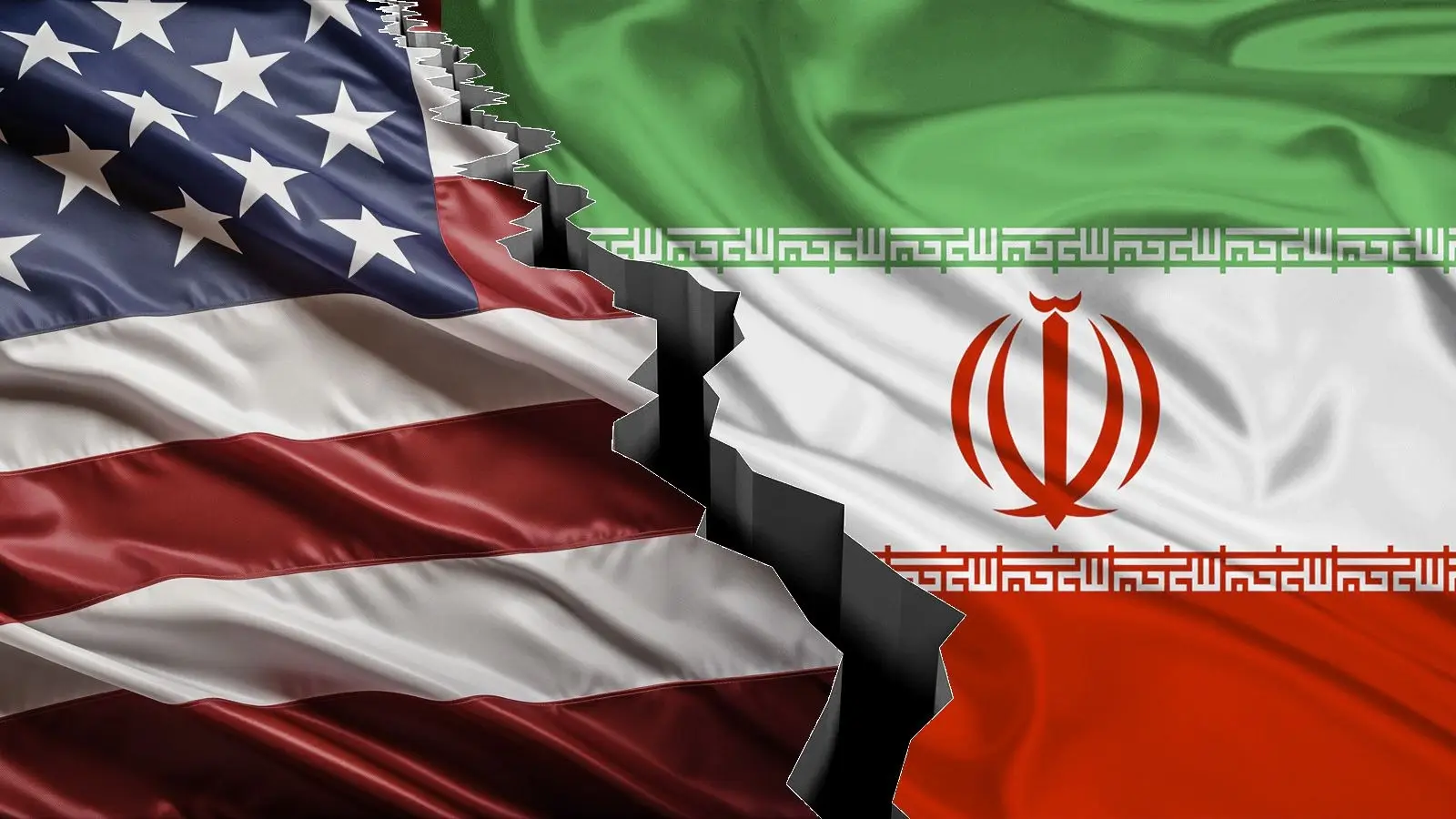
Military expert Vladislav Shurygin believes the United States has made a serious strategic miscalculation in its confrontation with Iran. In his view, the problem is not a single mistake but a chain of misjudgments that occurred on several levels at once.
Shurygin argues that Washington failed to properly assess Iran’s military capabilities, its ability to sustain resistance, and its capacity to respond flexibly to external pressure. He also points to what he describes as a broader misreading of the country itself. According to the expert, U.S. decision-makers treated Tehran as a weak opponent incapable of enduring a prolonged confrontation. Events, he says, have shown that this assumption was flawed.
Because of this, Shurygin believes U. S. President Donald Trump cannot simply disengage from the Iranian issue. Iran, in his assessment, is likely to continue retaliatory strikes, making it difficult for Washington to declare the situation resolved. He does not rule out that the United States could eventually limit its role to supporting Tel Aviv in military operations. However, he warns that such an approach carries its own risks and could increase pressure on Israel.
The expert also considers the idea of expanding military operations, including possible ground actions, extremely dangerous. He notes that the main American force grouping is currently located roughly a thousand kilometers from Iranian territory. Moving troops closer would immediately place them within range of Iranian missiles, drones, and other strike capabilities.
Shurygin also highlights the limited capacity of the United States to conduct a large-scale ground campaign. He recalls that during the war against Iraq, the Pentagon deployed a force of about 350,000 troops, a scale that is not currently present in the region.
In his view, if Iran itself does not decide to end the confrontation, Washington has little chance of bringing the conflict to a quick conclusion. As a possible path toward de-escalation, Shurygin mentions negotiations involving mediators. Russia, he suggests, could theoretically play such a role, although he questions whether Moscow would see any benefit in taking on that responsibility.