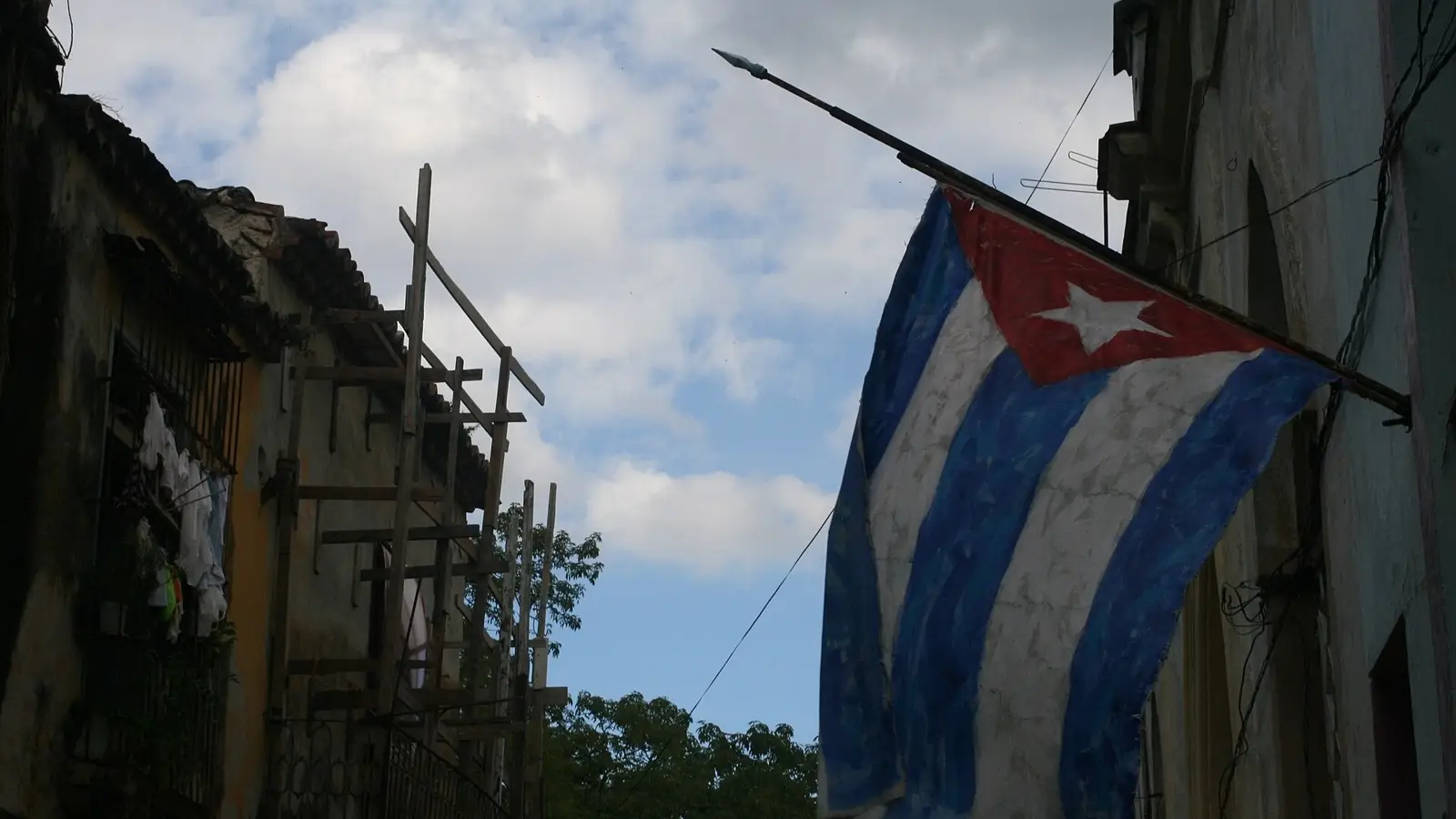

Political analyst Rostislav Ishchenko stated that the situation around Cuba may develop along the lines of increasing pressure from the United States.
He noted that actions against Cuba would not require the same level of military effort from Washington as in the case of Iran, since the island’s ability to receive external support and protection is significantly limited. In his view, under current global conditions, the United States has strong chances of achieving its goals regarding Cuba.
Ishchenko recalled that during the Soviet era, protecting allied communist regimes, including Cuba, was considered a strategic priority, even at the risk of nuclear confrontation with the United States. After the Cuban Missile Crisis, Washington withdrew its missiles from Turkey and provided guarantees of non-aggression against Cuba, although the economic blockade remained in place and attempts to eliminate Cuban leaders continued.
According to him, in the current situation, Donald Trump has declared his intention to change the political system in Cuba. The analyst pointed out that pressure measures are already being implemented, including an energy blockade, amid declining internal cohesion in Cuban society and weakening resistance capabilities.
Ishchenko emphasized that the United States is aiming to suppress Cuba, but the outcome will depend on the willingness of Cuban society to continue resisting. As an example, he cited Afghanistan, where external forces failed to establish lasting control and were ultimately forced to withdraw. He added that it remains an open question whether Cuba can demonstrate the same level of resistance as it did during the era of Fidel Castro.