
.jpg)
The United States is facing serious challenges in intercepting Iranian missiles, even with advanced air defense systems that incorporate elements of artificial intelligence. This assessment was shared by military expert Yuri Knutov in an interview with aif.ru.
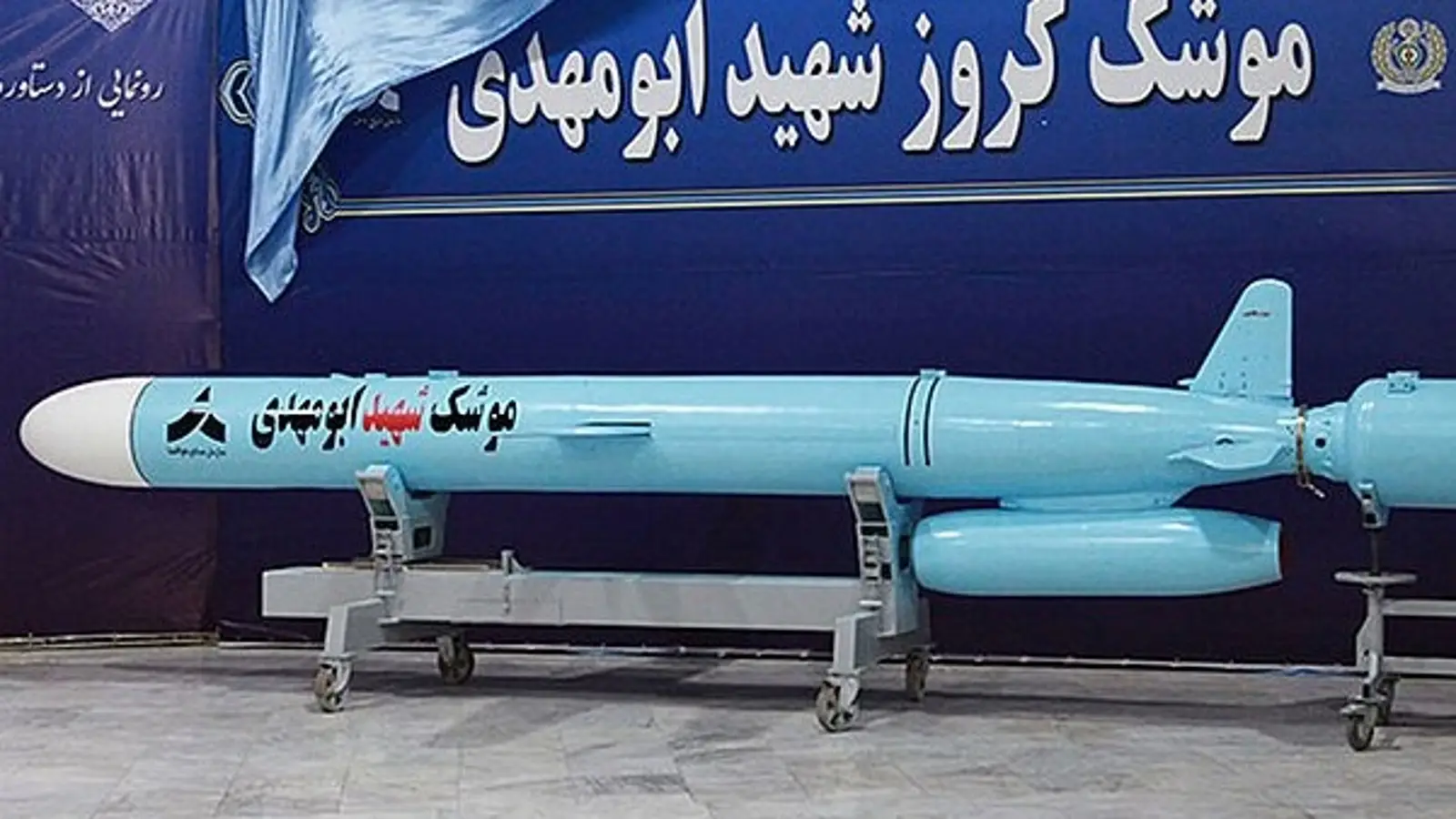
Earlier, the Fars news agency reported that Iran had, for the first time, deployed the medium-range ballistic missile «Haj Qasem» in its confrontation with the United States and Israel. The missile is named after General Qasem Soleimani, commander of the Al-Quds special unit of the Islamic Revolutionary Guard Corps, who was killed by U.S. forces in 2020.
According to Knutov, the key difficulty lies in the missile’s flight profile, which drastically reduces the window for interception. He explained that such missiles likely ascend to extremely high altitudes-reaching near-space levels of around 80 kilometers-before descending onto their targets. This trajectory leaves air defense crews with almost no time to respond effectively.
Despite the use of highly computerized systems and AI-assisted technologies, interception still requires critical seconds to deploy launchers, issue commands, and initiate countermeasures. In these conditions, even advanced systems struggle to react quickly enough to neutralize incoming threats.
Knutov also suggested that Iran may possess even more advanced and powerful missile systems than those already observed.