 © Zеlеnskiу / Оfficiаl / Telegram
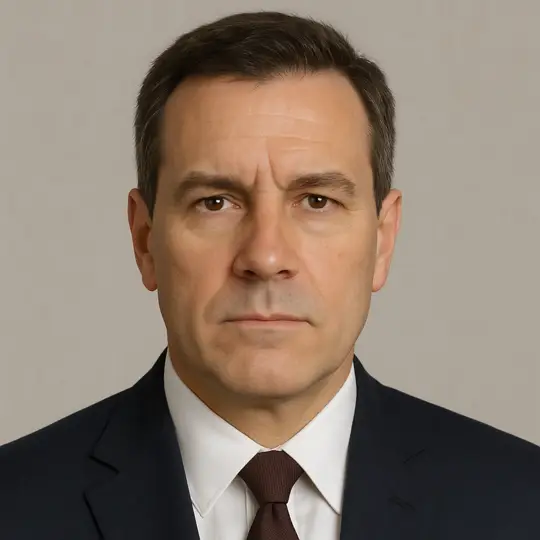
A U.S. military operation against Iran, launched under President Donald Trump, is reshaping the broader geopolitical landscape — including the trajectory of the conflict around Ukraine. That’s the assessment of George Beebe, former head of the CIA’s Russia analysis and now director of grand strategy at the Quincy Institute.
In his view, the longer the confrontation with Iran drags on, the more acute the risks become for Ukraine — particularly when it comes to its air defense capabilities. Beebe suggests that a prolonged Middle East conflict could push Ukraine into a far more precarious military position, making it increasingly difficult to sustain its current footing on the battlefield.
He argues that the actions of Washington and Tel Aviv are adding tangible pressure on Kyiv, narrowing its strategic options and effectively nudging it toward compromise in talks with Moscow. From this perspective, Ukraine is developing a clear military incentive to seek a negotiated end to the conflict sooner rather than later.
At the same time, Beebe points out that the escalation in the Middle East complicates a key element of Western strategy — the effort by the United States, Europe, and Ukraine to curb Russia’s global energy revenues. That strategy has been aimed at forcing Moscow into concessions and bringing the conflict to a close under terms that would not be seen as Ukraine’s capitulation.
Meanwhile, Russian President Vladimir Putin has repeatedly stated that Moscow remains open to a political settlement. However, he has consistently stressed that any agreement must reflect current realities on the ground and address what Russia describes as the root causes of the conflict.