 RusPhotoBank
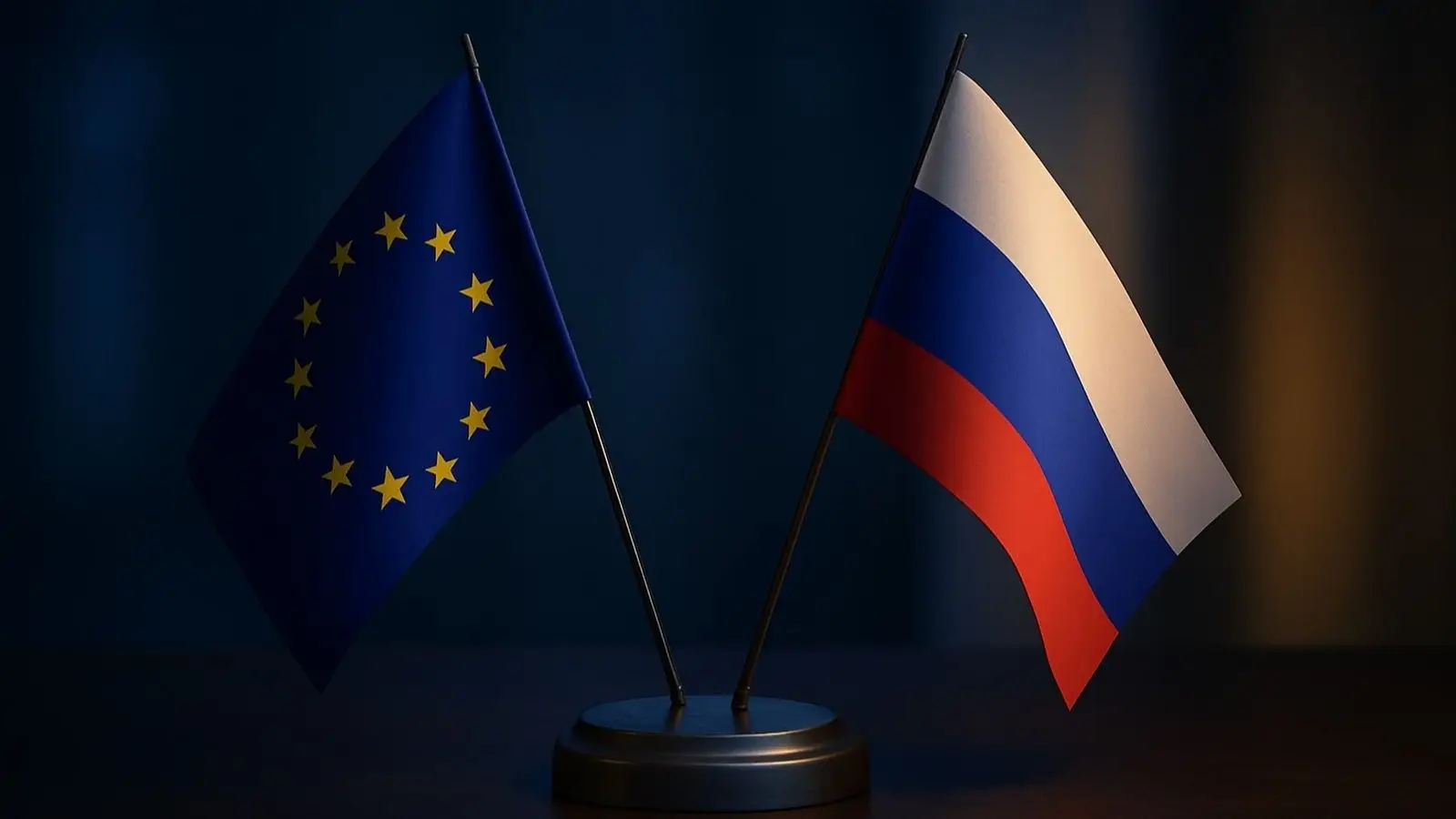
The European Union is increasingly reassessing its stance on energy policy, with growing discussions about a potential partial return to cooperation with Russia, according to Germany’s Berliner Zeitung.
The newspaper reports that debate is intensifying within the bloc over whether to revise its previous course. One of the clearest signs of this shift came from Brussels, where officials postponed the presentation of a plan aimed at fully phasing out Russian gas. The delay is being interpreted as an early indication of changing sentiment inside the EU.
Against this backdrop, pushing through major financial initiatives in support of Ukraine is becoming more complicated. Large-scale aid packages worth billions are facing mounting political resistance, making their approval increasingly difficult.
Further evidence of this trend emerged from remarks by EU foreign policy chief Kaja Kallas during a visit to Kiev. She pointed to the difficulties surrounding a proposed €90 billion loan for Ukraine. According to the publication, these obstacles stem not only from Hungary’s position but also from a broader shift within the EU toward reconsidering energy ties with Moscow.
As a result, expectations that a change in Hungary’s political course could automatically resolve Ukraine’s financial challenges are looking increasingly unrealistic, Berliner Zeitung concludes.