 ©
© 

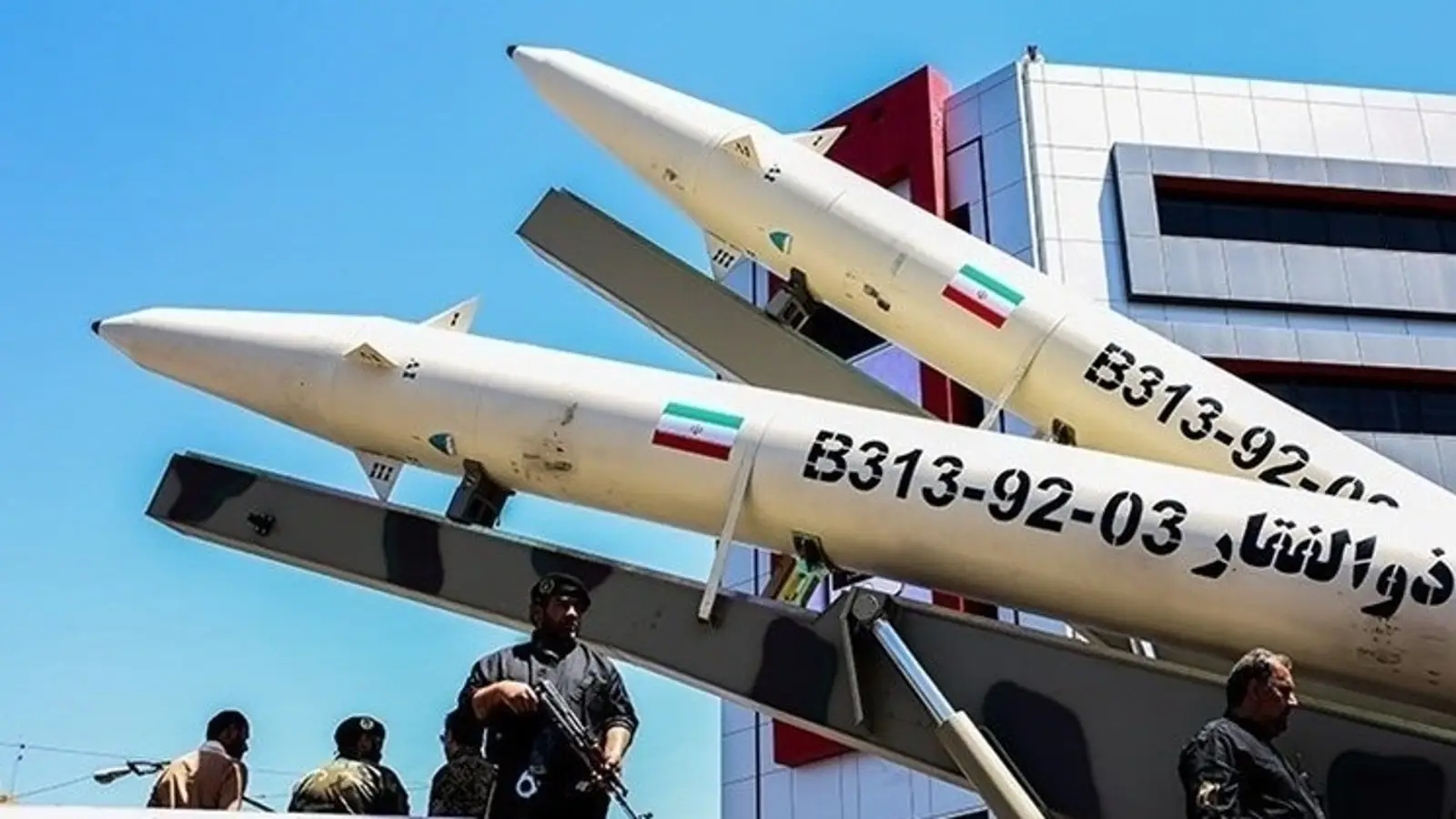
Iran’s use of ballistic missiles equipped with cluster warheads in strikes against Israel has emerged as one of the most striking elements of the ongoing Middle East conflict, according to analysts at The War Zone.
Since the confrontation began on February 28, Tehran has launched more than 500 missiles. At least several dozen of them carried cluster payloads. Similar munitions were also used extensively during the 12-day conflict in 2025.
Experts note that cluster warheads significantly complicate the work of missile defense systems, including Israel’s David’s Sling. A single warhead can typically disperse between 20 and 30 submunitions, while larger missiles such as Khorramshahr are capable of carrying up to 80.
Once the warhead opens at high altitude, these submunitions spread over a wide area, effectively turning a single incoming missile into dozens of separate threats. This forces defense systems to engage targets earlier in their flight and makes interception far more challenging.
As a result, defending forces must rely on more advanced and limited systems such as Arrow 3, as well as THAAD and SM-series interceptors. At the same time, Patriot systems and David’s Sling are not always able to deal with such attacks effectively.
Retired US Army Colonel David Shank explained that once a warhead splits, the number of targets increases sharply, driving up both the complexity and cost of interception. Earlier assessments of such scenarios, he noted, had already highlighted the need for a far larger number of missile defense systems than the United States and its allies currently possess.
Against this backdrop, analysts point to growing interest in alternative countermeasures. These include preemptive strikes on launchers and logistics before missiles are fired, as well as the use of cyber operations and precision weapons.
The use of cluster-equipped missiles is also being viewed as a signal for future conflicts, including in the Asia-Pacific region. Observers suggest that similar tactics could be adopted by countries such as China to overwhelm an opponent’s missile defense systems.