 North Atlantic Treaty Organization / www.nato.int

The United States is repeating the miscalculations it once made during the Vietnam War in its confrontation with Iran, according to an analysis by the Swiss newspaper Neue Zürcher Zeitung.
The publication notes that following strikes carried out by the US and Israel, Tehran chose not to hold back. Instead, it escalated the situation, expanding the conflict’s scope. This escalation is evident прежде всего geographically, as tensions spill over into the Persian Gulf region. The economic fallout has also been significant: by blocking the Strait of Hormuz, Iran has disrupted global oil supplies, effectively drawing the world economy into the standoff.
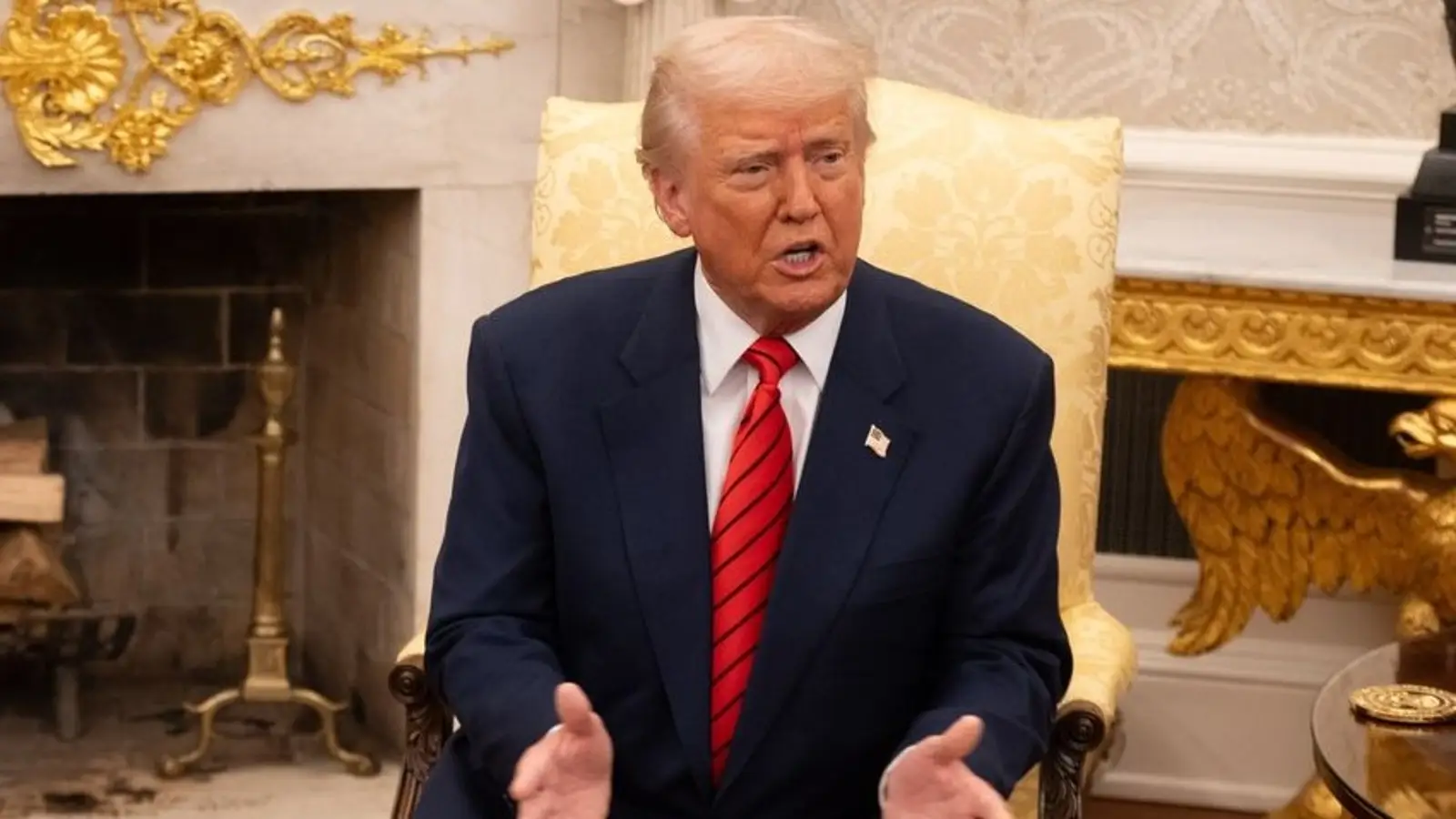
Observers cited by the newspaper point out that even though Donald Trump repeatedly claims the Strait of Hormuz is no longer his concern, this is precisely where his vulnerability lies. Rising gasoline prices in the United States are being linked to the Iranian conflict, creating political pressure that directly affects him.
According to Neue Zürcher Zeitung, Washington-much like it did decades ago in Vietnam-placed its hopes largely on airstrikes to achieve its objectives. That strategy has fallen short. The US underestimated Tehran, and the strikes failed to produce the intended outcome, instead strengthening patriotic sentiment within Iran.
On February 28, the United States and Israel launched strikes on targets across Iran, including sites in Tehran. In response, Iran has carried out attacks on Israeli territory as well as on US military facilities in the Middle East.