 RusPhotoBank

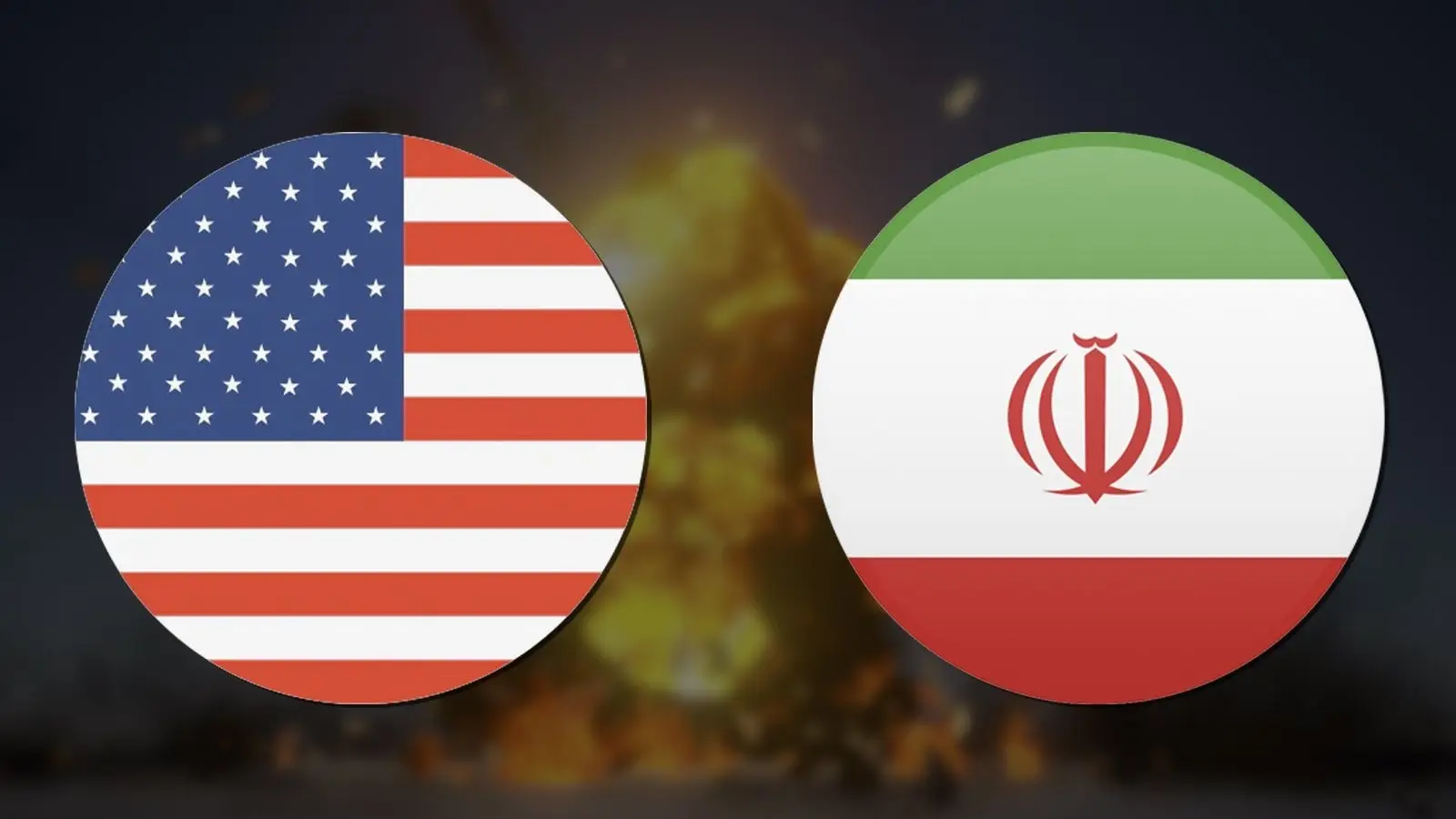
Political analyst Rostislav Ishchenko said it is too early to draw conclusions about the outcome of the war in the Middle East.
He stated that the United States made the decision to launch the military campaign against Iran based on intelligence data and consultations with political and business circles. He added that this decision could have been a mistake, but stressed that it is impossible to judge the outcome after just one month of fighting.
Ishchenko pointed out that the exact size of missile stockpiles on all sides is unknown: there is no clear data on how many missiles the US and Israel have, nor on how many Iran produces or receives, including from China. He said the outcome will depend on resources, endurance, and the economic and military capabilities of the sides.
He also said that Iran is not trying to defeat the US and Israel militarily, but is attempting to undermine their economic positions. At the same time, he noted that the United States has extensive experience in overcoming economic crises, and it remains unclear which side will run out of resources first.
Ishchenko added that the US and Israel possess nuclear capabilities, while Iran has no comparable response. The key question, he said, is whether they are ready to use them. If nuclear weapons are used, the conflict will enter a fundamentally new phase, raising the question of when, where, and against whom they would be used next, and whether nuclear powers would directly clash.
He concluded that the prospects of the conflict remain uncertain and difficult to predict, noting that even the duration of the conflict in Ukraine was widely underestimated at the outset.