 © whitehouse.gov

Political analyst Malek Dudakov says the two-week truce between the United States and Iran, along with the launch of talks based on Tehran’s ten-point plan, shows that the balance in this confrontation has shifted in Iran’s favor.
In his view, Tehran is now the side setting the pace and dictating the terms of the conversation. Dudakov argues that negotiations in situations like this usually develop around the framework proposed by the party that has gained the stronger position. He says the current format of dialogue points to Iran holding the advantage over Washington.
He also believes that over the next two weeks the Strait of Hormuz will remain under Iranian control. Shipping, he says, will continue, but vessels will have to pay a fee for passage. Dudakov describes that as a form of compensation in Iran’s favor after the conflict.
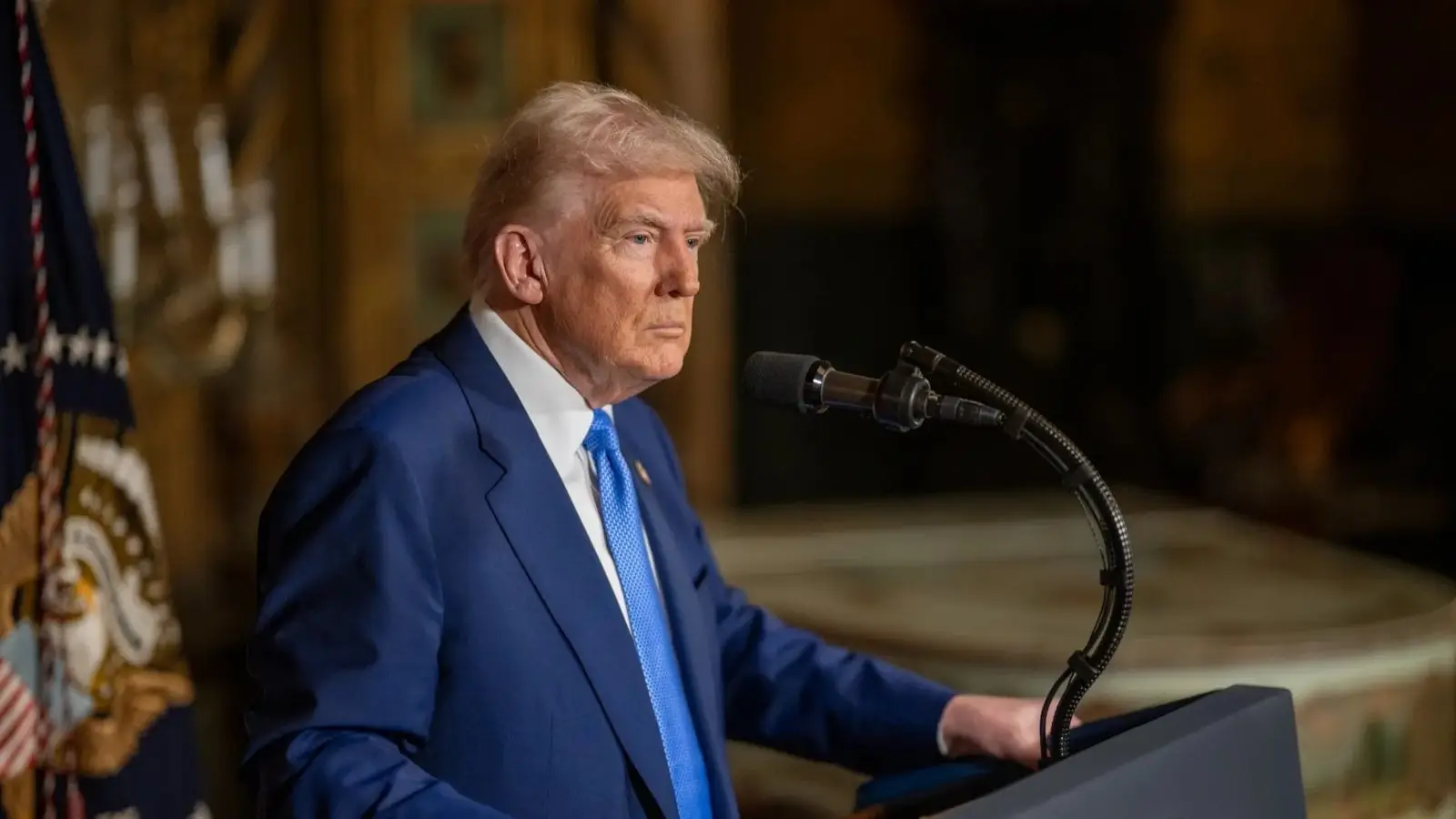
As for the United States, he says Donald Trump will try to prevent the fighting from flaring up again once the two-week pause expires. According to Dudakov, the US president is facing mounting pressure at home. He points to opinion polls showing that roughly two-thirds of Americans oppose a war with Iran and support an immediate ceasefire. In his assessment, all of this is unfolding against the backdrop of Trump’s falling approval ratings and a worsening fuel crisis.