
.jpg)
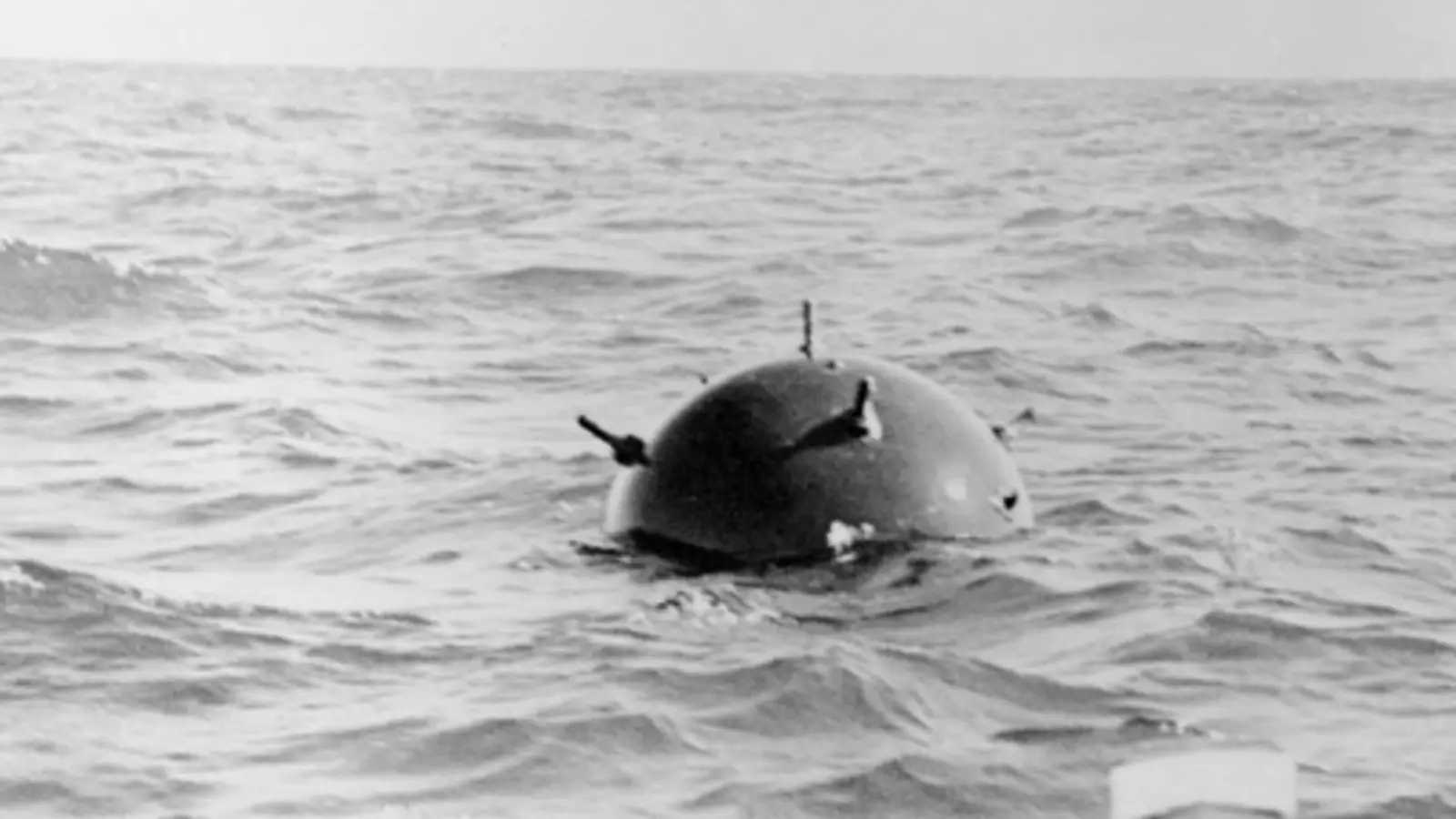
Iran has not fully reopened the Strait of Hormuz because it cannot locate all the mines placed in the waters and lacks the capability to neutralize them. This was reported by The New York Times citing US officials.
According to them, the situation could complicate upcoming talks between US and Iranian delegations in Pakistan.
The report states that last month Iran used small vessels to mine the strategic strait after the start of military actions by the US and Israel. The mines, combined with the threat of drone and missile strikes, effectively paralyzed the movement of oil tankers and other vessels, leading to a sharp rise in energy prices and giving Iran leverage in both the conflict and negotiations.
At the same time, Iran left passage open for ships willing to pay a fee. The Islamic Revolutionary Guard Corps issued warnings about mine dangers, while semi-official Iranian media published maps of safe routes.
US officials said these routes were limited due to chaotic mining. Some mines may not have been properly tracked, and others were laid to drift.
As noted by the publication, clearing naval mines is far more difficult than deploying them. The US lacks large-scale demining capabilities and relies mainly on coastal minesweepers. Iran itself is also unable to quickly neutralize its own mines.
In recent days, IRGC naval forces introduced official shipping routes through the Strait of Hormuz. This was explained by the military situation in the Persian Gulf and the risk of drifting mines, with vessels instructed to use alternative routes.