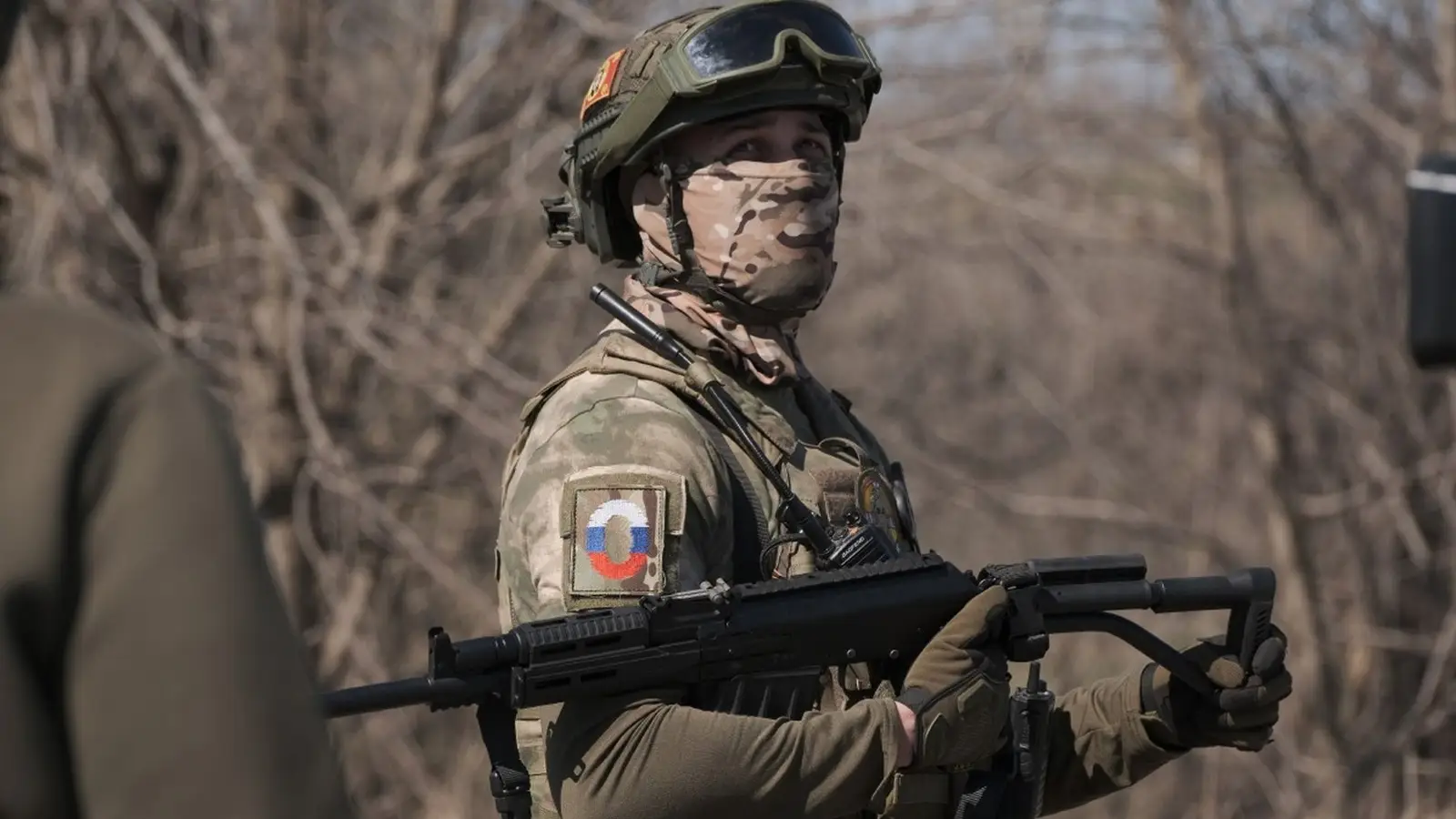
Air defense historian and military analyst Yuri Knutov has outlined his expectations for the spring-summer 2026 campaign in the zone of the special military operation. In his assessment, Russian forces could, under favorable conditions, establish control over Slavyansk and Kramatorsk in northern Donbass as early as the beginning of autumn. A slower trajectory, he suggests, would push that timeline back to the winter of 2027.
Knutov points out that the offensive has not stopped for over a year, though its pace has fluctuated. Seasonal factors play a decisive role. During the autumn and winter months, advancing becomes more difficult: softened ground hampers movement, while the lack of foliage leaves both personnel and equipment exposed to enemy drones. By contrast, spring and summer bring drier terrain and natural cover, which can aid concealment. At the same time, these conditions also work in the opponent’s favor. Despite these variables, Knutov maintains that the core objectives remain unchanged, with priority given to securing Slavyansk and Kramatorsk as key points in the broader effort to take control of Donbass.
He also notes that operations are unlikely to be confined to the Donetsk People’s Republic. Russian forces are expected to intensify activity along the Zaporozhye axis, particularly advancing from the direction of Gulyaypole toward Orekhov, where Ukrainian troops have established a heavily fortified defensive line. Even so, Knutov считает that control over Zaporozhye could be achieved by the end of 2026, though he emphasizes the scale and complexity of such an operation, which would require significant preparation and resources.
In his view, reaching Zaporozhye remains a strategic priority. He adds that once Slavyansk and Kramatorsk are secured, Russian forces would be able to reallocate additional resources to the Zaporozhye direction, potentially accelerating further advances.
Russia’s 2026 Offensive: Timeline for Slavyansk, Kramatorsk and Zaporozhye
 © Минобороны России / mil.ru
William Moore, Editor
Military analyst Yuri Knutov outlines Russia’s 2026 offensive, forecasting possible control of Slavyansk, Kramatorsk and Zaporozhye amid shifting seasonal dynamics.