 whitehouse.gov
Washington has once again begun floating the idea of a forceful approach toward Cuba — language that has been absent from official rhetoric for years. The Pentagon has confirmed it is working through «a range of possible actions,» stressing its readiness to carry out any orders issued by US President Donald Trump. Earlier, the outlet Zeteo reported that the US military had been instructed to step up preparations for potential operations targeting the island.
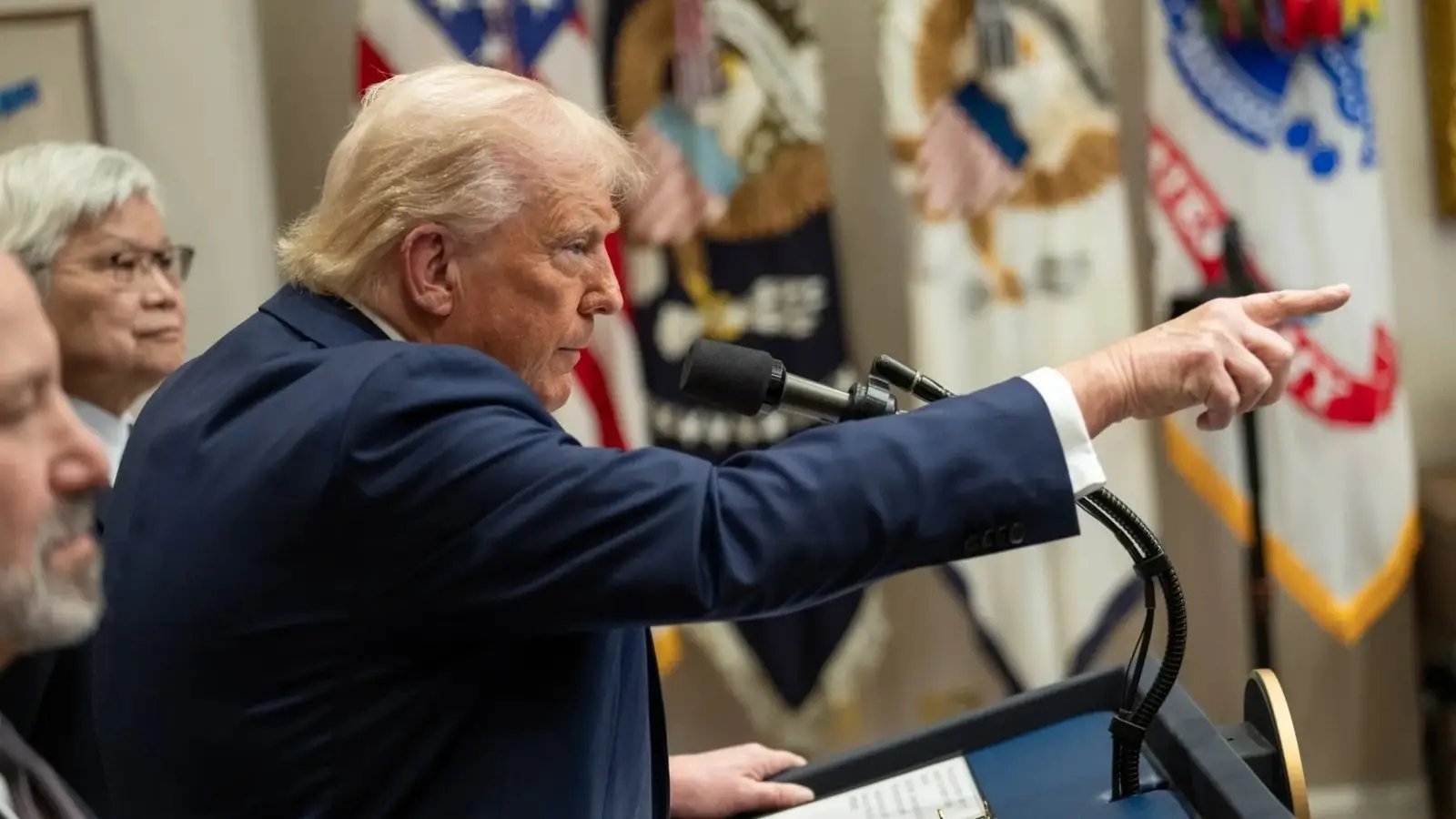
Trump himself has described Cuba as a country in decline, signaling that it could become a focus of attention once the situation surrounding Iran is settled.
Still, analysts suggest that this renewed rhetoric may serve broader purposes. Honored military pilot and Major General Vladimir Popov, speaking to aif.ru, indicated that talk of an operation against Cuba could be tied to Washington’s attempt to ease pressure linked to the Iranian track. In his view, US authorities may be looking to shift attention away from tensions with Iran while also defusing domestic political strain by redirecting focus toward a geographically closer and potentially more manageable theater.
According to Popov, much will depend on the progress of negotiations with Iran in Islamabad. If those talks conclude successfully, the United States could abandon the idea of military action. If not, and escalation follows, Cuba is unlikely to remain passive.
The general suggested that Havana would respond decisively, noting that Cuba enjoys military backing from China and several other countries. He also pointed to a strong sense of national pride among Cubans, rooted in the legacy of the Cuban Revolution and the enduring influence of Fidel Castro’s ideas, which continue to resonate as a source of resolve. In such circumstances, he implied, resistance would be sustained.
Popov also outlined an alternative scenario in which Washington avoids direct involvement. Instead, it could rely on Cuban émigrés based in the southern United States, where, he claimed, combat units are already taking shape. Such a strategy would allow the US to act indirectly, deploying these formations onto the island if needed.
Ultimately, Popov emphasized, the final decision will hinge on how events unfold — particularly Israel’s next moves and the outcome of ongoing US-Iran negotiations.