 RusPhotoBank

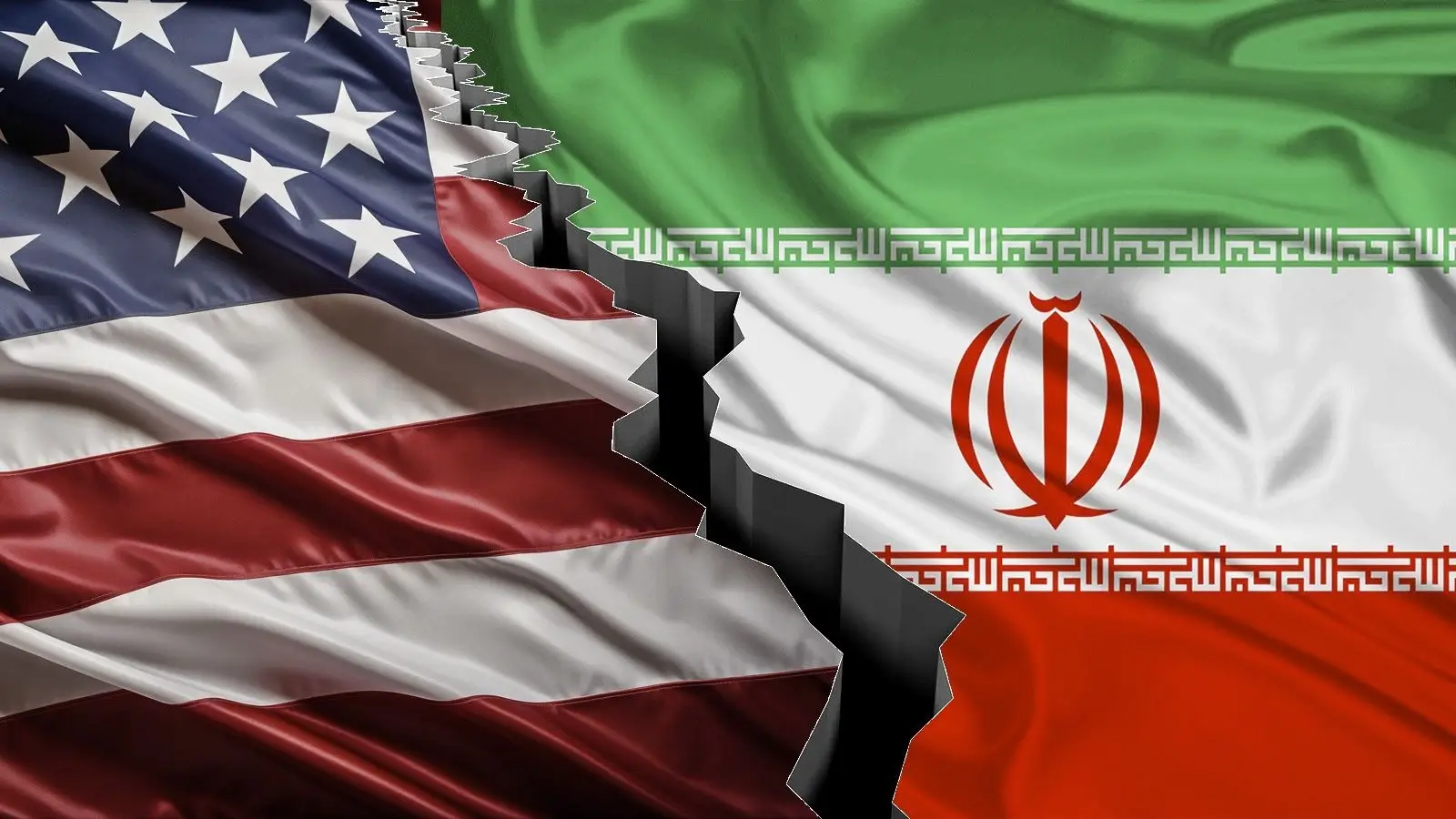
Threats of sanctions and a potential naval blockade from the United States are unlikely to force Iran into concessions, according to analysts at Advance. Their assessment draws on historical patterns, suggesting that economic pressure rarely compels states to abandon key instruments of power. More often, such pressure reinforces their resolve, as governments come to see a firm response as essential to their survival.
The publication argues that Tehran’s position in the region has strengthened. Among the factors cited is Iran’s ability to disrupt the Strait of Hormuz or strike targets across the Persian Gulf-moves that could trigger serious global economic fallout.
This shifting balance is causing concern in Washington. The White House is wary of how the situation may evolve, given that Iran retains influence across political, regional, and strategic domains. There is a growing sense that continued conflict could leave Tehran in a stronger position than the United States had anticipated.
On April 8, the United States and Iran announced a two-week truce. However, the first round of extended talks in Islamabad, which began on April 11, ended without results.
Despite this, on April 17 Tehran allowed all commercial vessels to pass through the Strait of Hormuz for the duration of the ceasefire, following a separate agreement to halt hostilities in Lebanon. At the same time, the Trump administration declined to lift the blockade on Iranian ports until a broader deal is reached. In response, the Islamic Revolutionary Guard Corps declared the closure of the key maritime route and warned that any ships approaching the strait could face strikes.
A new round of negotiations between American and Iranian representatives may take place in Pakistan in the near future, although both sides continue to exchange sharp rhetoric.