 RusPhotoBank

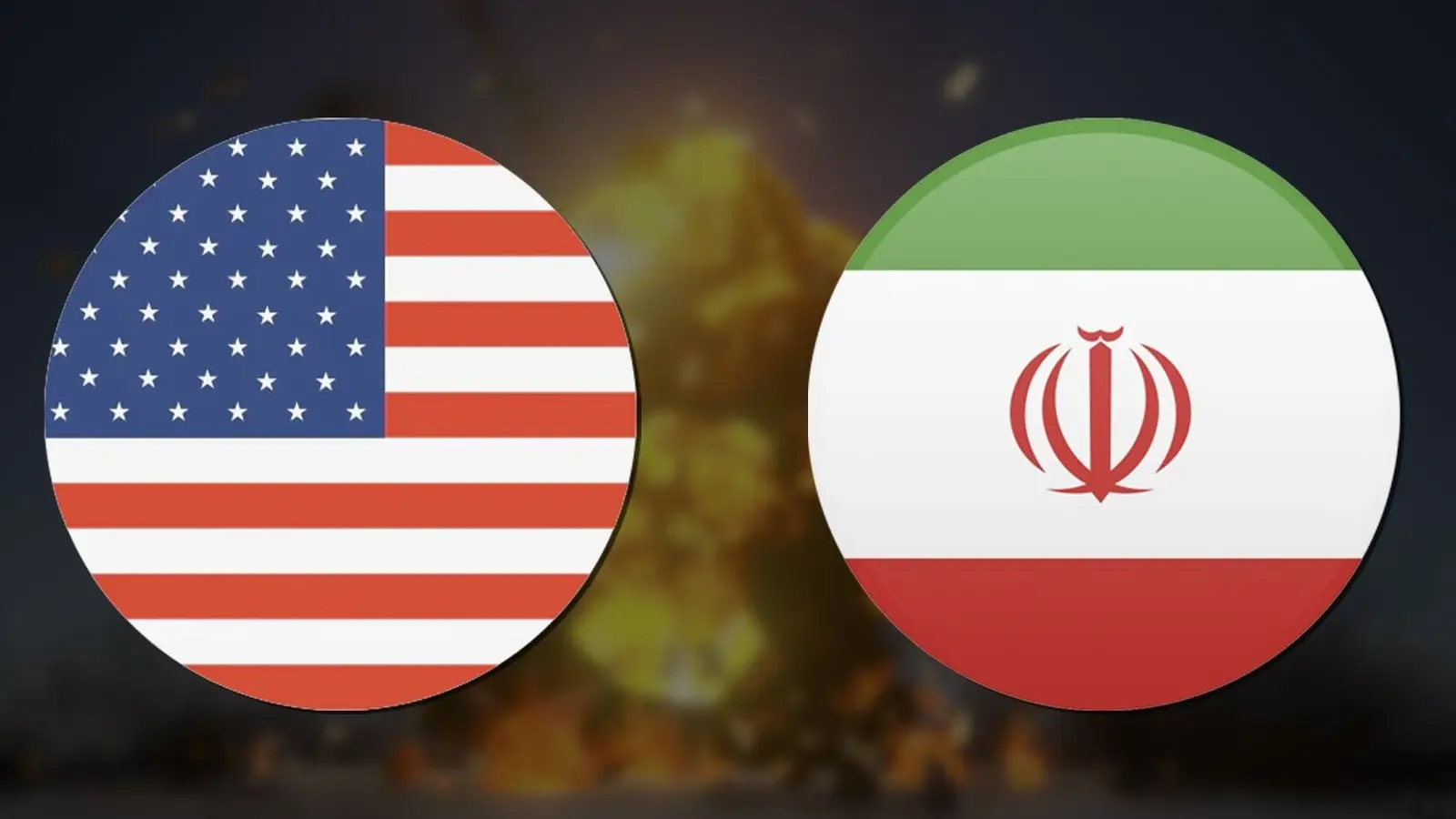
Doctor of Political Sciences Kirill Koktysh assessed the situation in the Middle East, stating that the United States currently has no favorable way out of the confrontation with Iran.
He noted that accepting Tehran’s terms would amount to a clear admission of defeat for Washington, undermining both the loyalty of its allies and its global authority. At the same time, he said, the US is not willing to engage in a full-scale military conflict, as it would inevitably bring losses and its outcome is uncertain.
Koktysh pointed out that Iran is also not going to back down, especially as pro-American Middle Eastern monarchies begin reassessing their position. According to him, these states increasingly view US military bases not as a guarantee of security but as a source of vulnerability, prompting them to look toward alternative centers of power.
He added that this situation has already matured and the trends will continue to develop. For Iran, he said, it is crucial that regional monarchies see it as a real force and a security broker. To achieve this, Tehran needs to declare victory and demonstrate that it can hold it, which strengthens its negotiating position.
Koktysh also noted that the impulsive behavior and sharp decisions of US President Donald Trump are playing in Iran’s favor. He added that even within the US, responsibility for a potential failure in negotiations with Iran is increasingly attributed to Trump’s temperament. In such negotiations, he concluded, the advantage goes to the side that has time and patience, while the one that lacks time is forced to make concessions.