 RusPhotoBank

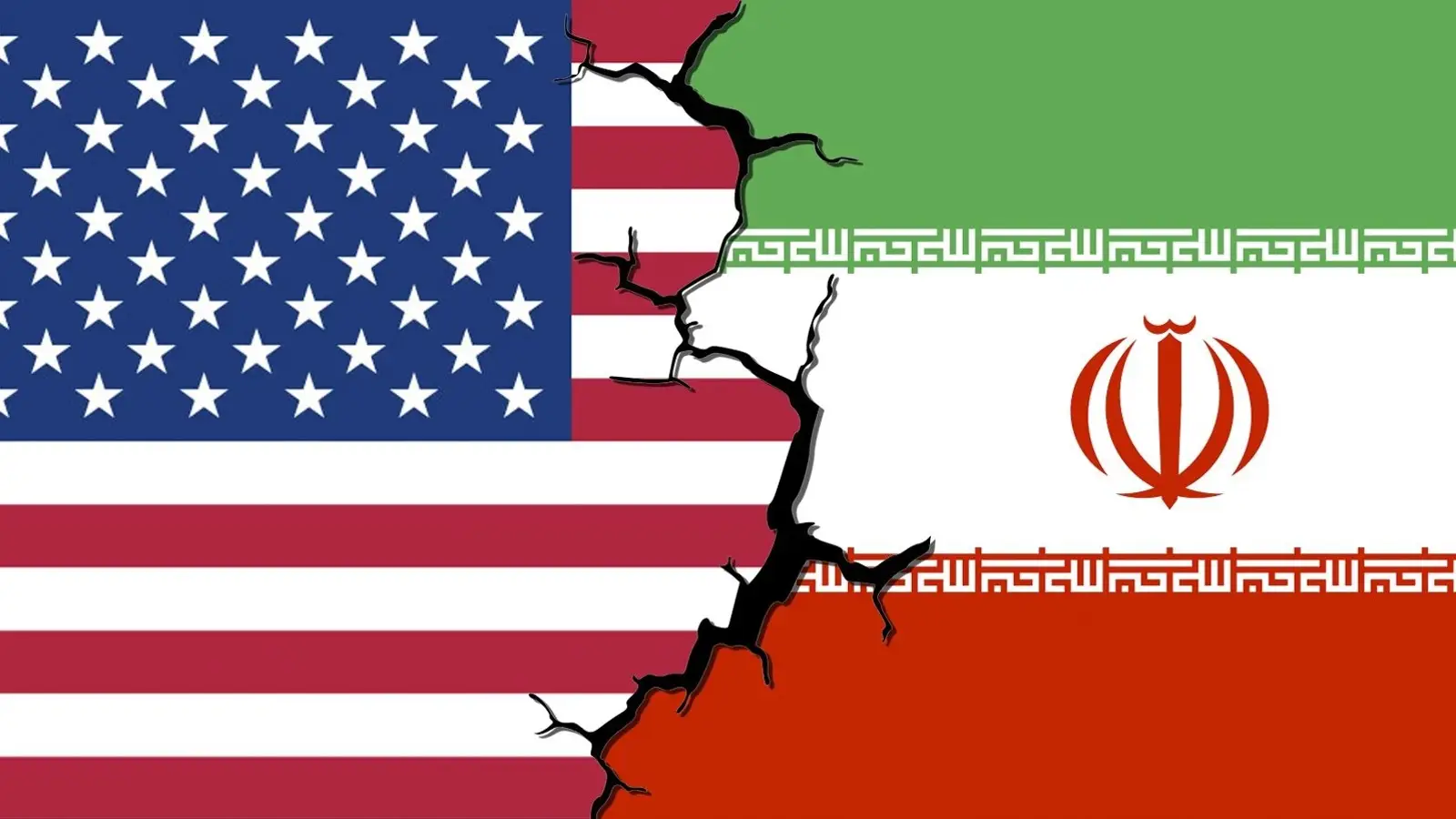
The United States has entered unfamiliar territory with its operation against Iran, confronting a type of conflict that falls outside the framework of its traditional military doctrine, according to retired special forces colonel and military analyst Anatoly Matviychuk.
He explains that Washington typically follows a predictable sequence: an initial missile strike, followed by an air assault, and then another round of missile attacks-after which the targeted state usually capitulates. In the case of Iran, however, this pattern has not delivered the expected outcome.
Matviychuk points to Iran’s approach as fundamentally different, describing it as decentralized and algorithm-driven. At the same time, he notes that the United States has significantly drawn down its own stockpiles, in part due to the transfer of large quantities of weapons to European allies and Ukraine.
Despite these challenges, he cautions against overly optimistic conclusions. The U.S. leadership, he says, has already moved to address the issue by initiating an urgent replenishment of Tomahawk cruise missiles and Patriot air defense systems-a process expected to take between one and one-and-a-half years.
According to his assessment, the United States still maintains a minimum reserve of around 15 percent, which is sufficient to safeguard continental security and respond if necessary. While this means Washington is not facing a complete depletion, the difficulties in restoring stockpiles remain significant.
Matviychuk also suggests that the issue could take on political dimensions. With congressional elections approaching in the fall, Democratic opponents may use the reported weapons shortages to criticize Republican President Donald Trump, arguing that military actions in the Middle East have weakened national security. Even so, he does not view the current situation as critical.
Earlier, former Pentagon adviser Douglas Macgregor had similarly warned that missile shortages could leave the United States vulnerable in its standoff with Iran, noting that roughly 1,000 air defense missiles were expended over a three-week period.