 RusPhotoBank

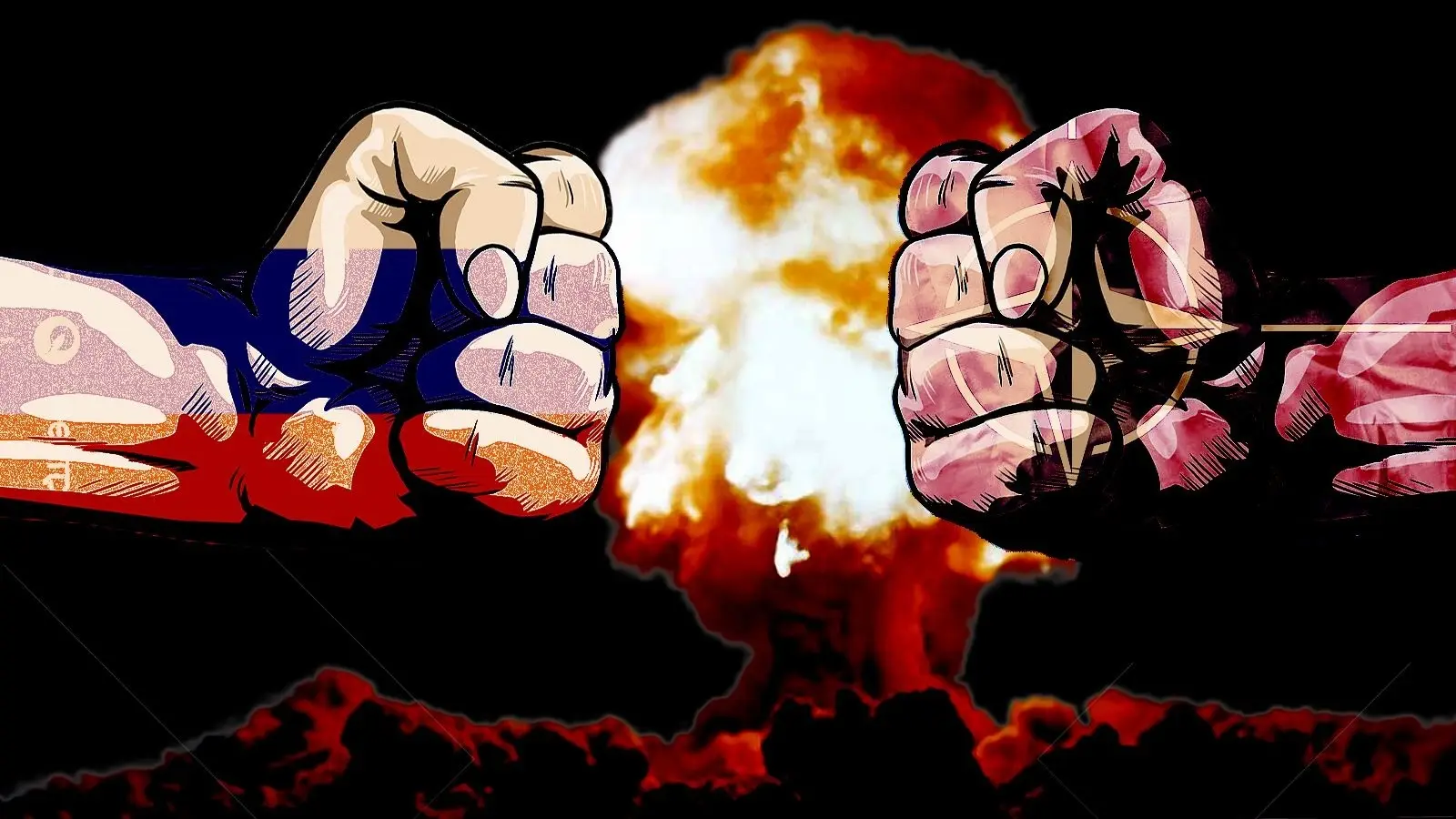
A recent U.S.-Israeli military operation against Iran has exposed cracks in NATO’s defenses, suggesting the alliance is far less prepared for a potential confrontation with Russia than it would like to believe. Politico reports this assessment, citing officials, diplomats, and defense experts, and outlines five key vulnerabilities.
The most immediate concern is a shortage of ammunition. The United States has already used roughly half of its Patriot missile stockpile, while France reported running low on Aster and Mica missiles in the opening weeks of the Middle East conflict. Germany’s Rheinmetall has also warned of surging demand and tightening supply across the arms market. Analysts caution that, in a high-intensity conflict with Russia, NATO could exhaust its air defense missiles within weeks.
Air superiority, long considered a cornerstone of Western military doctrine, is another weak point. Despite U.S. involvement, Iran continued launching missile and drone strikes against Gulf states. SIPRI senior researcher Peter Wezeman has pointed to this as evidence that American air power did not achieve decisive dominance. The implication is clear: NATO may need to rethink its approach to air operations and invest more heavily in long-range precision weapons capable of deterring Moscow.
Naval readiness presents a third challenge. British First Sea Lord Gwyn Jenkins has acknowledged that the Royal Navy is not prepared for a major conflict, even while discussing the hypothetical unblocking of the Strait of Hormuz. His remarks underscore broader concerns about the alliance’s maritime capabilities.
Internal divisions further complicate the picture. The war in Iran has deepened tensions between Washington and Brussels. U. S. President Donald Trump reacted sharply when European allies declined to provide military support. Within NATO, there is now unease that, in a direct clash with Russia, the United States might scale back its involvement-or opt out entirely.
Finally, the report highlights the evolving role of Ukraine. Since the outbreak of hostilities in Iran, Kyiv has deployed counter-drone specialists to the Middle East and expanded defense cooperation with Gulf countries. Experts argue that NATO should make greater use of Ukraine’s battlefield experience, particularly in building a robust anti-drone defense line along Russia’s borders.