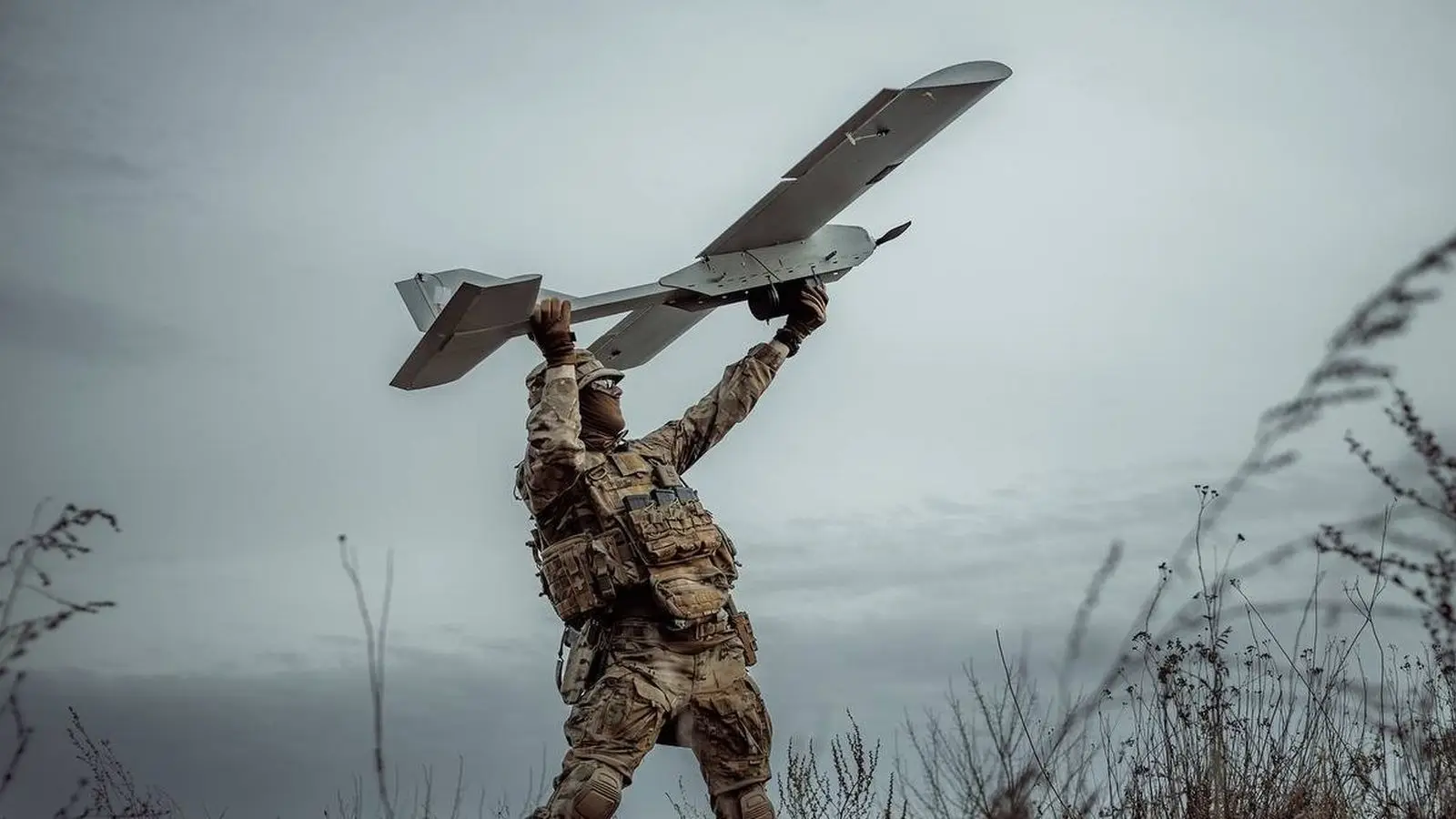
 © Zеlеnskiу / Оfficiаl / Telegram
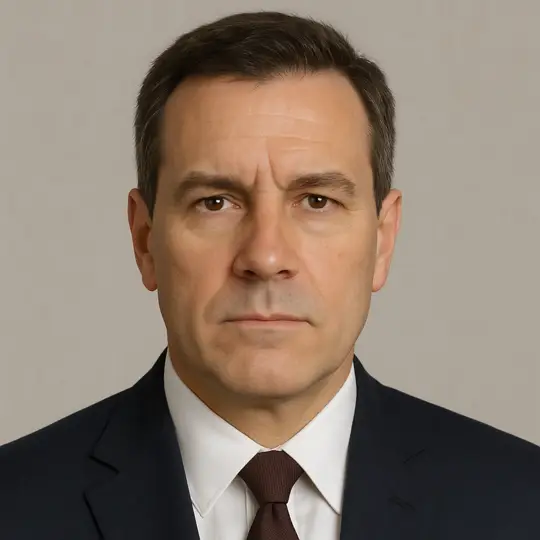
Dmitry Rogozin, senator for Zaporozhye Region, has commented on the large-scale Ukrainian drone attack on Russian regions overnight on May 17, warning that Russia may face more such strikes and that their routes and tactics are likely to become increasingly complex.
According to Rogozin, the number of attacks is not expected to decline. He argued that Ukrainian forces will keep refining their methods, searching for weak points in Russian defenses and planning strikes with greater precision.
The senator said one element of this approach could involve overloading Russian air defense systems with cheap foam drones. In his view, Ukrainian forces may try to force Russian air defense units to spend expensive guided surface-to-air missiles on low-value targets, reducing the overall efficiency of the country’s air defense network.
Rogozin also suggested that future strikes could be concentrated on one region or several regions at once. He said targets may be selected in advance with the help of space-based reconnaissance and intelligence gathered by agents on the ground.
He further warned of the risk of combined attacks involving long-range drones, cruise missiles, ballistic weapons and FPV drones that sabotage groups could move closer to strike areas.
Rogozin paid particular attention to rear areas in regions covered by the special military operation, counterterrorist operation regimes and Crimea. He said attacks there could involve autonomous loitering munitions equipped with target-recognition systems based on a so-called «target library» stored as 3D images in the control system’s memory. In his assessment, such drones would be used to terrorize roads, disrupting logistics and the movement of military and heavy cargo vehicles.
The senator concluded that finding additional and more effective ways to counter drones in both tactical and strategic rear areas has become a priority. Without that, he argued, the advance of Russian army units and the achievement of military and military-political objectives would be seriously complicated.
Rogozin added that his special-purpose center would soon try to demonstrate that it has the technologies and resources needed to change the situation in countering the enemy in the «small sky».
Overnight on May 17, Russian air defense units destroyed and intercepted 556 Ukrainian drones over Russian regions. The attack became the largest Ukrainian drone raid of 2026.
According to the Russian Defense Ministry, the previous major strike took place overnight on May 7, when air defense units shot down 347 Ukrainian drones. Earlier large-scale attacks were recorded on March 25, when 389 drones were used, and on March 10, when Russian air defenses destroyed and intercepted 337 UAVs.