 © A. Krivonosov

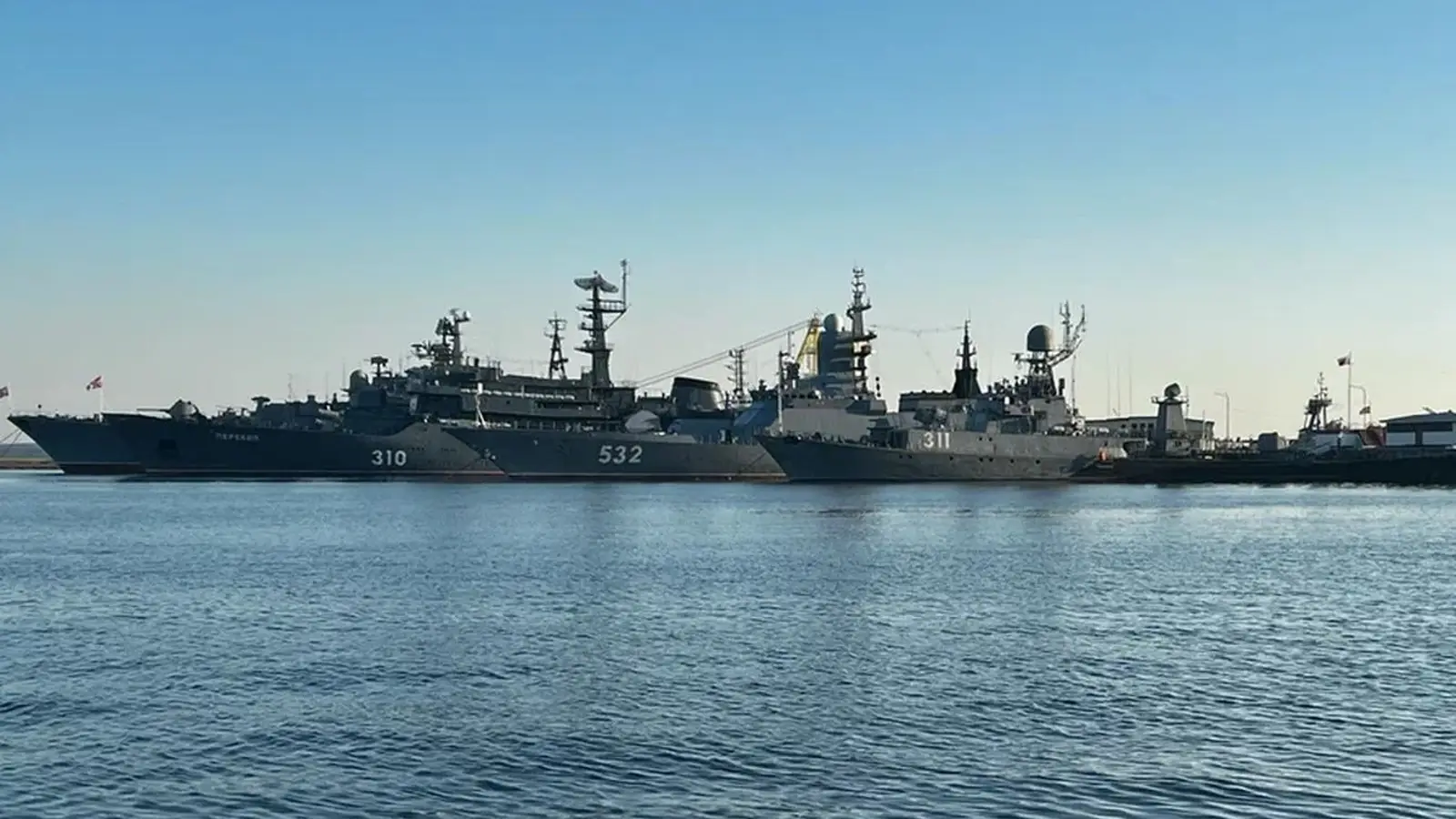
Russia has decided to increase its military presence in the Baltic Sea as tensions with European countries grow over Russian oil shipments, Die Welt reports. A large anti-submarine ship, the Severomorsk, has already taken up position between the island of Fehmarn and the Bay of Lübeck.
NATO believes the Russian vessel’s deployment in the area may be linked to efforts to prevent possible detentions of merchant ships traveling to or from Russian ports.
According to the publication, the Severomorsk was built in the 1980s and was originally designed to hunt NATO submarines. The ship belongs to Russia’s Northern Fleet, which also hosts the country’s key nuclear submarines. The fleet’s headquarters are located on the coast of the Barents Sea.
Now, however, the vessel appears to have been assigned a different role. It is anchored in the Baltic Sea between Fehmarn and the Bay of Lübeck, in an area previously patrolled by the small missile ship Stavropol.
Moscow has not officially explained the purpose of the redeployment. Germany’s Defense Ministry, however, assumes the move may be aimed at protecting the so-called «shadow fleet» used to export Russian oil while bypassing sanctions.
The article notes that Russian tankers leaving Baltic ports pass through German and Danish waters. Against that backdrop, NATO countries have strengthened their own military presence in the region.
Tensions have continued to rise as inspections of Russia-linked vessels become more frequent. In recent months, NATO states have stepped up checks and detentions of ships suspected of helping circumvent sanctions.
Charlie Edwards, an expert at the International Institute for Strategic Studies, said Russia’s signals are intended to test political unity, raise the risk of escalation and discourage NATO members from taking further action in neutral waters.
In his view, Moscow does not intend to escort every tanker individually. Instead, it is seeking to show European countries that it is ready to keep raising the stakes.