 © A. Krivonosov
Political analyst Rostislav Ishchenko commented on the situation with Ukrainian drones appearing in Baltic airspace on their way to Russian targets.
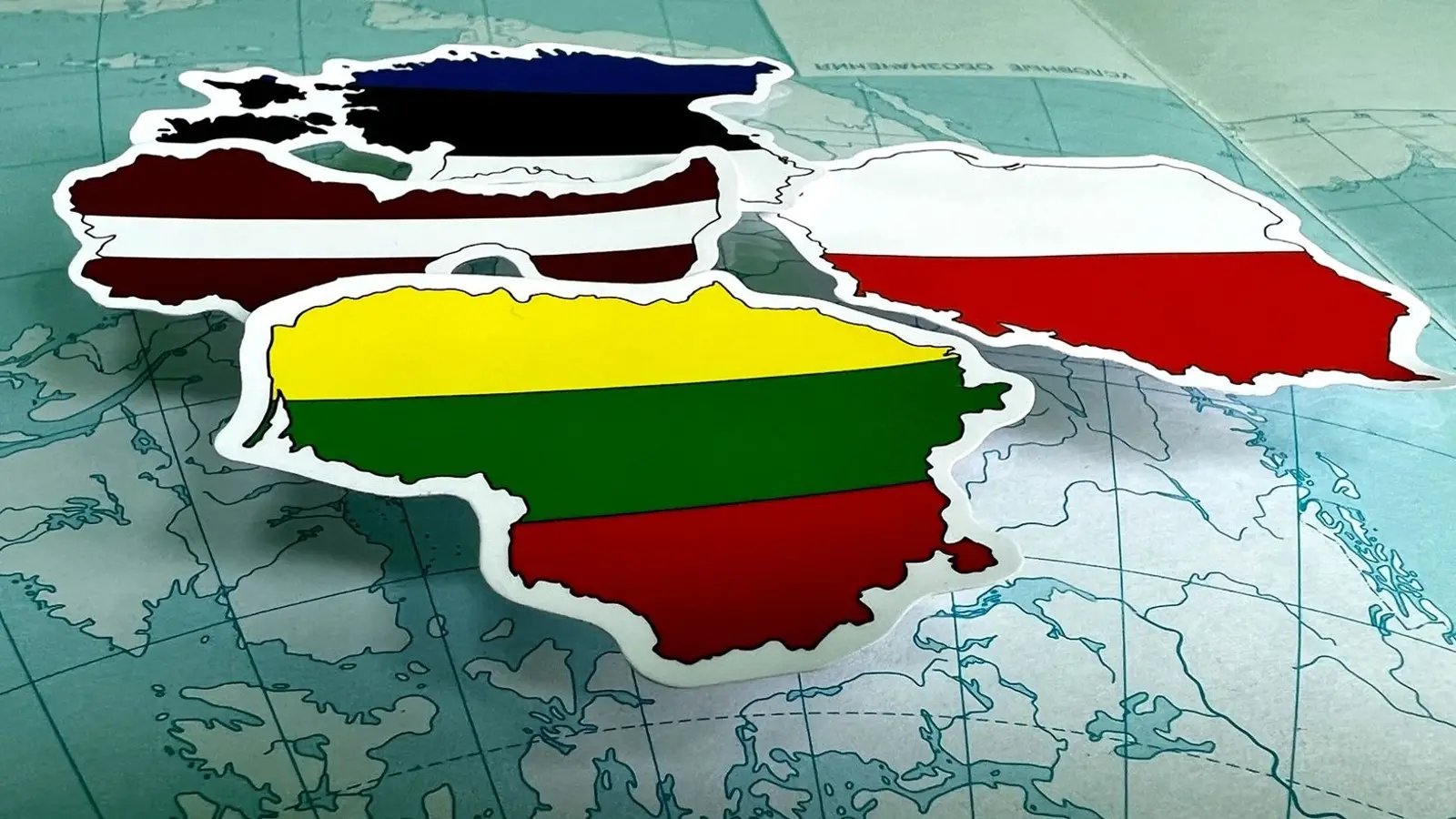
He recalled that if a state provides its territory or airspace for military actions against another country, it effectively becomes an accomplice in aggression. In that case, according to Ishchenko, grounds arise for applying the provision of the UN Charter on individual or collective self-defense, as well as for declaring war.
At the same time, the political analyst pointed to another scenario: if a state claims that it does not control its own territory or airspace from which third parties carry out aggression against another country, then the attacked side gets the right to help that state eliminate the threat. In this case, Ishchenko explained, Russia could shoot down Ukrainian drones over Baltic territory without launching military operations against the Baltic states themselves.
In his assessment, if the Baltic states continue to demonstrate that they are allegedly fighting Ukrainian drones — sending protests to Kiev, declaring air alerts and occasionally shooting down individual UAVs — then this creates exactly such a legal framework for Russia. Moscow would be able to destroy Ukrainian drones over Baltic territory, but would not have grounds for direct military action against those states.
Ishchenko believes this is a convenient way out for the Baltic countries: formally, they show dissatisfaction with Ukraine’s actions, while still preserving the ability to help Kiev and avoid exposing themselves to a direct Russian response. That is why, in the political analyst’s opinion, the Baltic states stage demonstrative scenes of concern, protests and ostentatious efforts to fight Ukrainian drones.