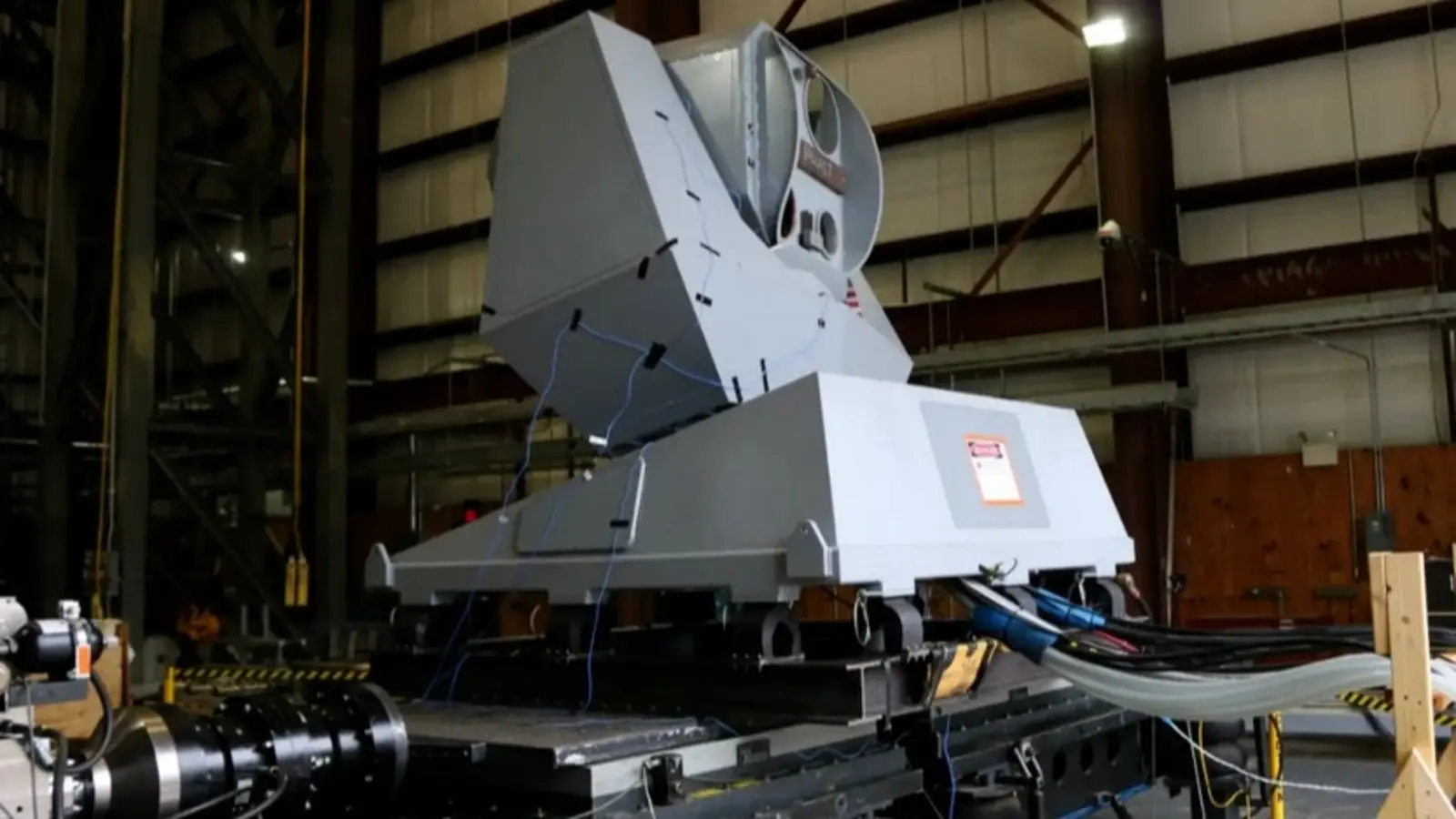


U.S. destroyers equipped with laser weapons are on duty off Iran’s coast, with ships carrying ODIN and HELIOS systems now in the Persian Gulf. Military expert Yuri Knutov believes the technology poses a threat to Tehran, but says Iran has ways to respond asymmetrically, according to AiF.
ODIN is designed mainly for what is known as «soft kill» action. Its purpose is not to destroy a target quickly, but to interfere with its optics. The system can disable or blind the video cameras used by drones.
HELIOS is a combat laser. Knutov explained that the system is integrated into a ship’s combat architecture and can do more than blind unmanned platforms. It can also inflict thermal damage, such as burning through the hull of a drone or an unmanned surface vessel.
At the same time, the expert does not see laser weapons as an unsolvable challenge. Drones can be protected with mirror-like casings or aerosol screens. The second option, however, has a serious drawback: an aerosol cloud interferes not only with the laser but also with the drone itself, blocking its camera view and making it harder to track the target.
Knutov believes Iran’s main response may focus less on protecting drones and more on striking the ship carrying the laser system. Modern laser weapons, he noted, are ineffective against heavy strike assets, which means missiles could become the key tool.
According to Knutov, Iran mainly uses hypersonic anti-ship missiles against such targets. He said a laser beam would not be able to stop a missile of this type, while its destructive power would be enough to sink not only a destroyer but also an aircraft carrier.