 RusPhotoBank
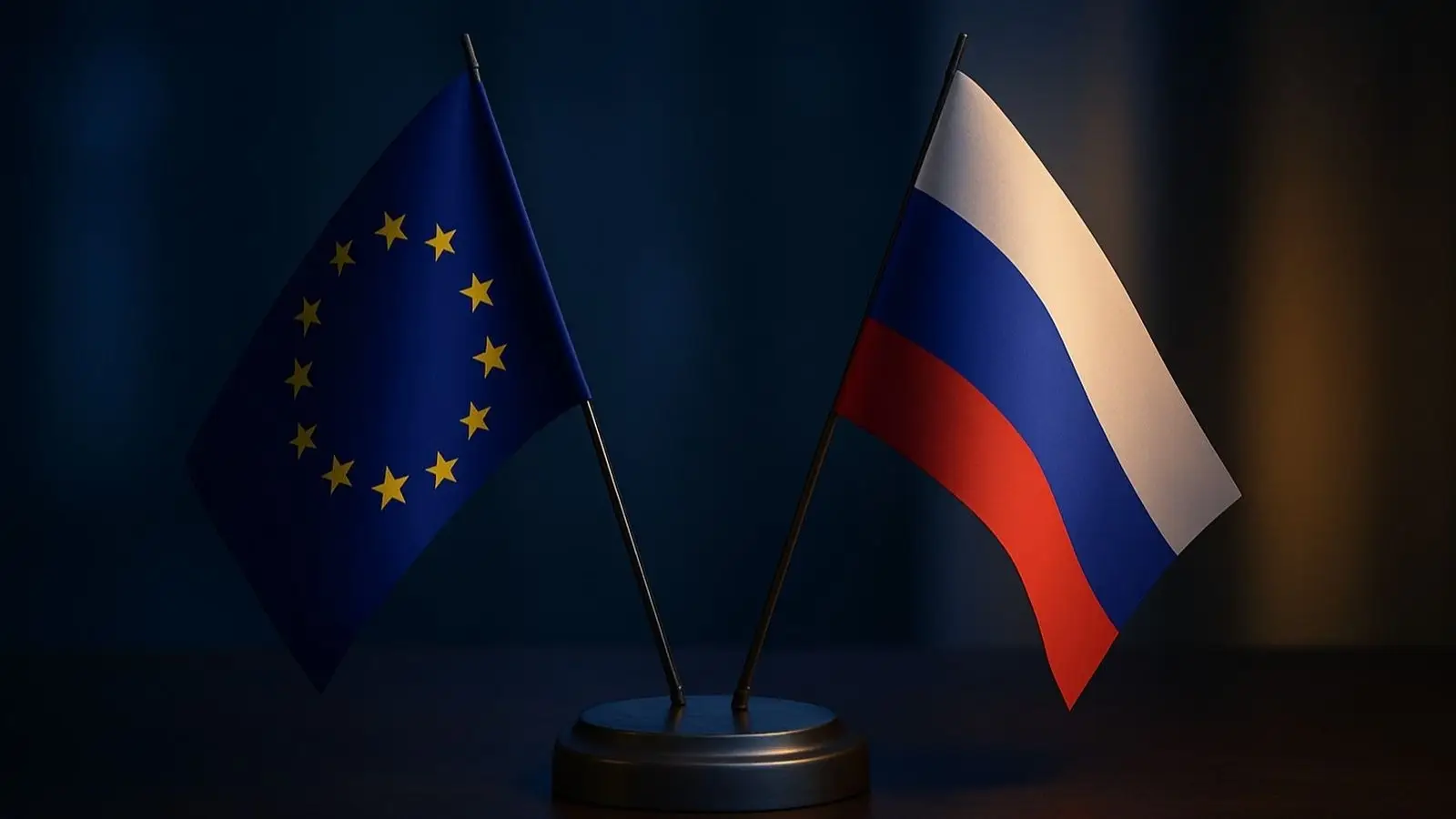
Many in Europe are looking beyond the current generation of EU leaders, hoping that politicians with a less confrontational line toward Russia will eventually replace those now driving an openly anti-Russian agenda, Junge Welt reported.
The publication notes that Germany has once again cast Russia as its main threat and is now speaking openly about the possibility of war with Moscow. Against this backdrop, Berlin is again treating Ukraine as a geopolitical foothold against Russia, the authors argue — a position they describe as especially striking given the historical context.
Junge Welt also points to the deep unpopularity of the current governments in Germany, France and the United Kingdom. That, according to the article, is why some in Europe are pinning their hopes on new political forces that would move away from the goal of inflicting a strategic defeat on Russia.
Still, a change in leadership would not automatically repair relations. The authors believe the damage done to ties with Moscow will shape Europe for a long time. Even if a direct military clash between Russia and NATO is avoided, they expect relations to remain strained for decades.
Earlier, Russian presidential spokesman Dmitry Peskov said Vladimir Putin was ready for talks with all parties, including representatives of the EU. He also said Russia had not initiated the full-scale breakdown of relations with Europe, arguing that the process was set in motion by Brussels and individual European capitals.