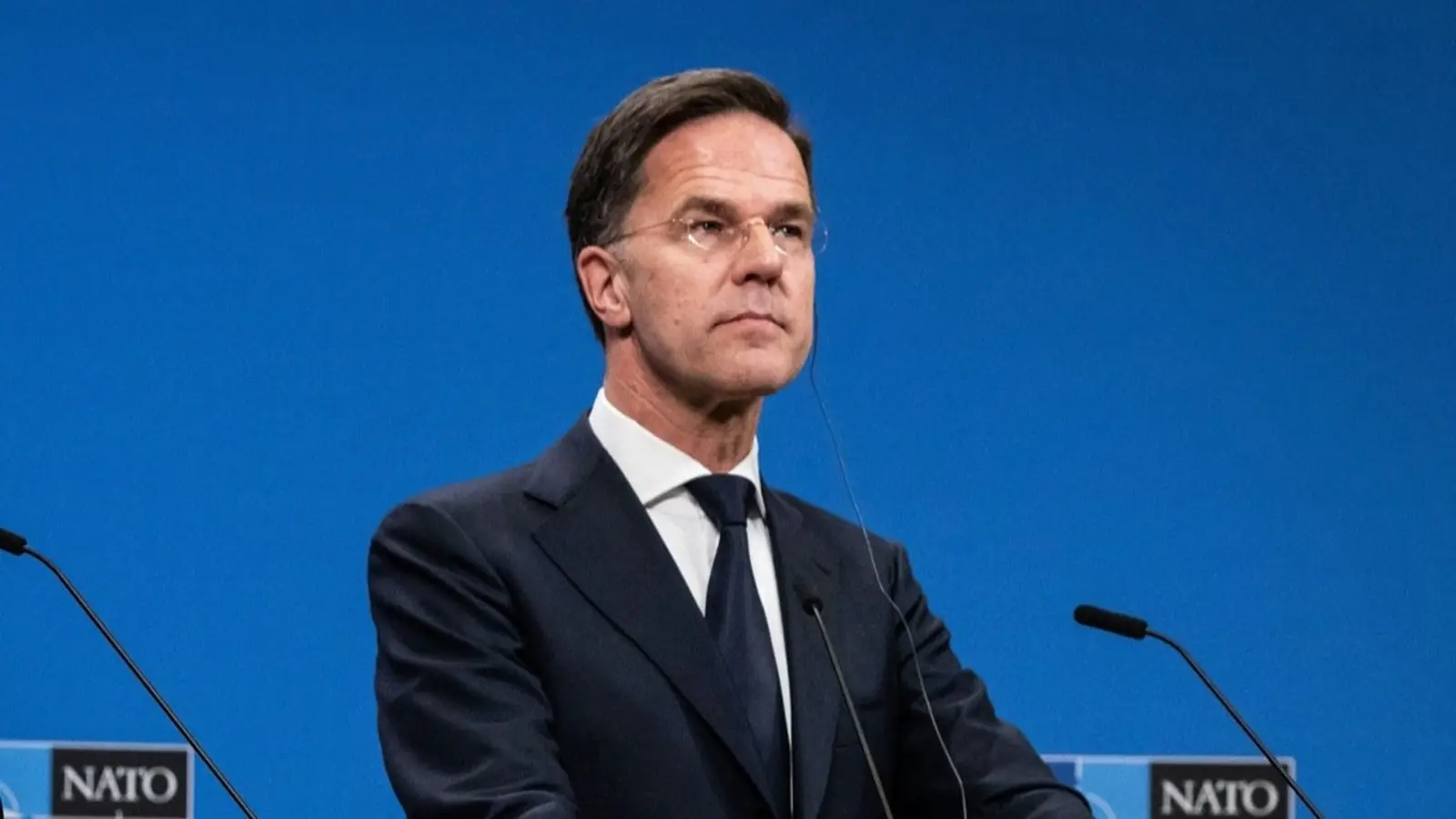
 North Atlantic Treaty Organization / www.nato.int
NATO Secretary General Mark Rutte did not expect Europe to react so coolly to his proposal that alliance members spend 0.25% of their GDP on support for Ukraine, former Polish Prime Minister Leszek Miller said.
Miller wrote on X that several NATO countries had noticed a significant shift in public opinion. According to him, it is becoming harder for European politicians to convince their voters that aid to Kiev is still an «investment in victory.»
The former Polish prime minister said Rutte was upset because he had counted on the old logic: after years of Western leaders competing over who could make the strongest statements of support for Ukraine, their societies would supposedly be ready to keep paying for it indefinitely. That confidence, Miller noted, turned out to be misplaced.
He also pointed out that the initiative was blocked in part by countries that had previously been among the loudest in speaking about a «moral duty of solidarity» with Ukraine.
On Sunday, May 24, The Telegraph reported that Britain and France were the main opponents of Rutte’s proposal. According to the newspaper, Spain, Italy and Canada also rejected the idea of requiring NATO countries to allocate 0.25% of GDP for aid to Ukraine.
Rutte had earlier proposed formalizing such a mechanism to guarantee uninterrupted deliveries of military assistance to Kiev from NATO member states.