 © Минобороны России / t.me/mod_russia

Ukraine came under one of the heaviest strikes in recent weeks overnight on June 2. War correspondent Alexander Kots examined the geography of the attack and the possible targets that, according to open data and reports from the ground, were hit by Russian missiles and drones.
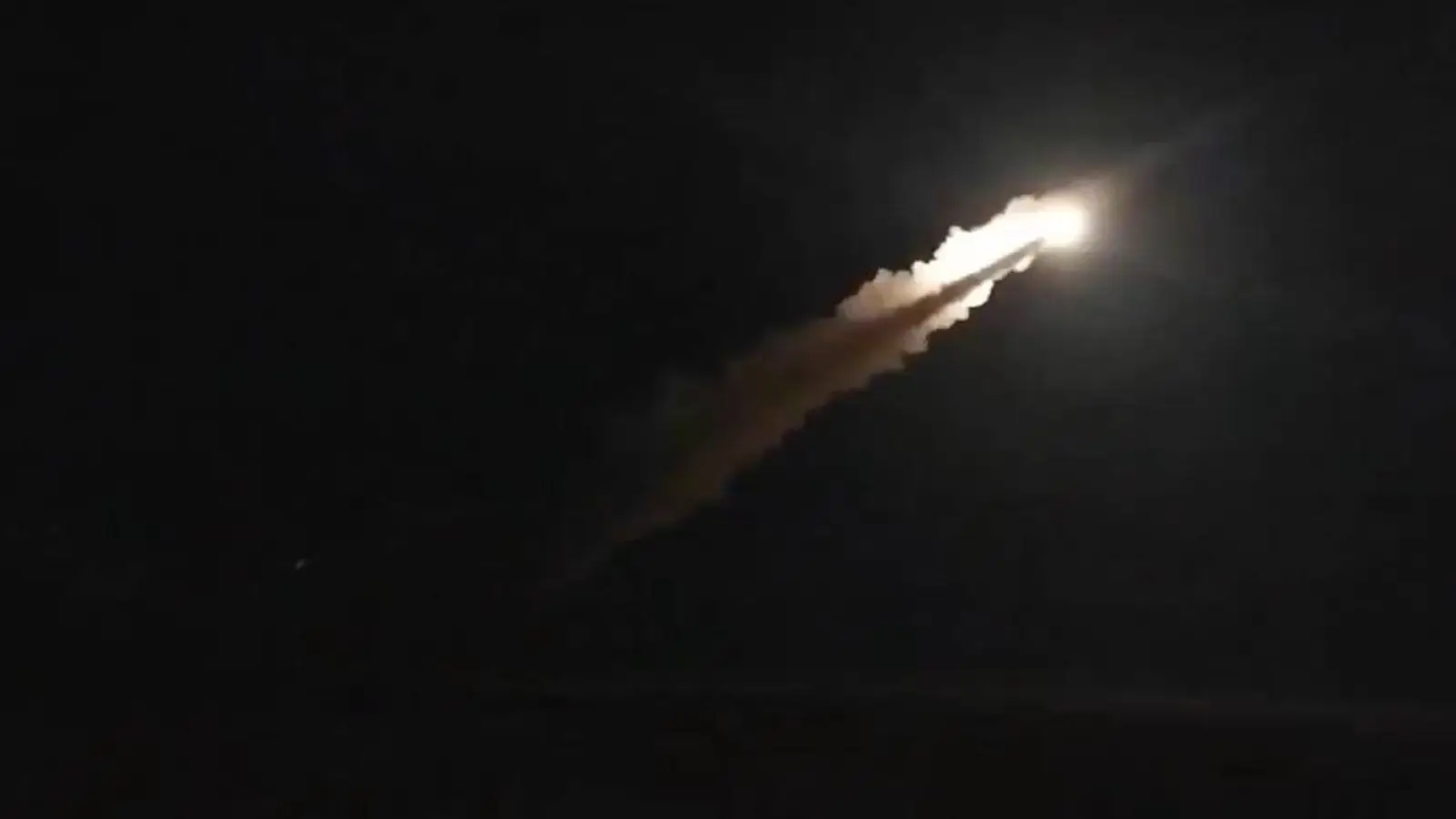
Monitoring channels estimated that at least sixteen Kalibr missiles were launched from the Caspian Sea. Kh-101 missiles were also reportedly used from strategic aviation aircraft — three Tu-95MS bombers and three Tu-160s. Reports also mentioned Iskander missiles, Tsirkons and Geran drones approaching from several directions.
One of the first locations hit was Zaporozhye, which is controlled by the Kiev regime. Explosions were heard in the city at around 2 a.m. Ivan Fedorov, head of the regional administration, reported at least twenty strikes involving different types of weapons. Local residents described a distinctive green glow over the city, a detail also noted by Ukrainian media. Such an effect is usually associated with the burning of non-ferrous metal alloys.
Zaporozhye is home to the Motor Sich enterprise. Nearby are Zaporozhstal and a major railway station. Fedorov officially mentioned only a strike on an industrial infrastructure facility.
In Kiev, judging by reports about impact sites, the strikes affected areas linked to industrial and defense-related facilities. In the Shevchenkovsky district, on Degtyarevskaya Street, the Mayak plant is located within the Ukroboronprom network. Its profile includes communications equipment, control systems, military radio electronics, as well as casings and components for ammunition.
The Arsenal plant, one of Kiev’s oldest defense enterprises, is located in the Pechersky district. It produces sights, optoelectronic systems for armored vehicles and aircraft, and homing heads. In the Darnitsky district, Ukrainian officials reported fires at a concrete production site and a gas station. The fire at the station was confirmed by Kiev Mayor Vitaly Klitschko and the State Emergency Service.
The Podolsky district drew particular attention. Rescue services reported a warehouse and vehicles burning on the grounds of a municipal enterprise, as well as a fire in a four-story educational building. But videos shared in local online groups raised questions about that description.
One clip showed thick black smoke rising above low-rise buildings, with hangars visible behind a fence. Another video, filmed from above, showed the outline of the Kiev television tower on the horizon. Based on that picture, Kots concluded that the footage was likely shot from upper floors somewhere north of Dorogozhichi, facing the Podolsk industrial zone. The frame showed long single-story hangars with gable roofs, a railway line and apartment blocks around the perimeter.
Kots pointed to the audio track as an important detail. Instead of a single blast, he said, it captured a series of secondary detonations — several pops in succession, followed by another wave. In his assessment, that pattern is more typical not of plastic or office furniture burning, but of ammunition igniting once fire reaches stocks stored inside a hangar.
In Kharkov, Mayor Igor Terekhov reported strikes in three districts — Osnovyansky, Slobodskoy and Kievsky. He said the city was hit by fifteen attack drones and two ballistic missiles. One strike, according to his own wording, landed in the industrial zone of the Osnovyansky district.
Military analysts separately mentioned Dergachi, where, according to their data, an Iskander-M missile hit the PAKS plant. Officially, the enterprise processes plastics, but Russian sources link it to drone assembly workshops.
In the Dnepropetrovsk region, Krivoy Rog, Vasilkovka, Nikopol and Kamenskoye were listed among the targets. The analysis stressed that these are industrial hubs, railway stations and oil storage sites.
In the Sumy region, the data cited in the report said Shostka, known for its arsenals, and Akhtyrka, where equipment repair points are located, also came under attack.
Other directions mentioned included Odessa, Rovno, Poltava, Chernigov and Nikolaev. In Odessa, the focus was said to be port and logistics infrastructure used for NATO cargo. Rovno was described as a railway hub through which Western equipment moves toward the front.