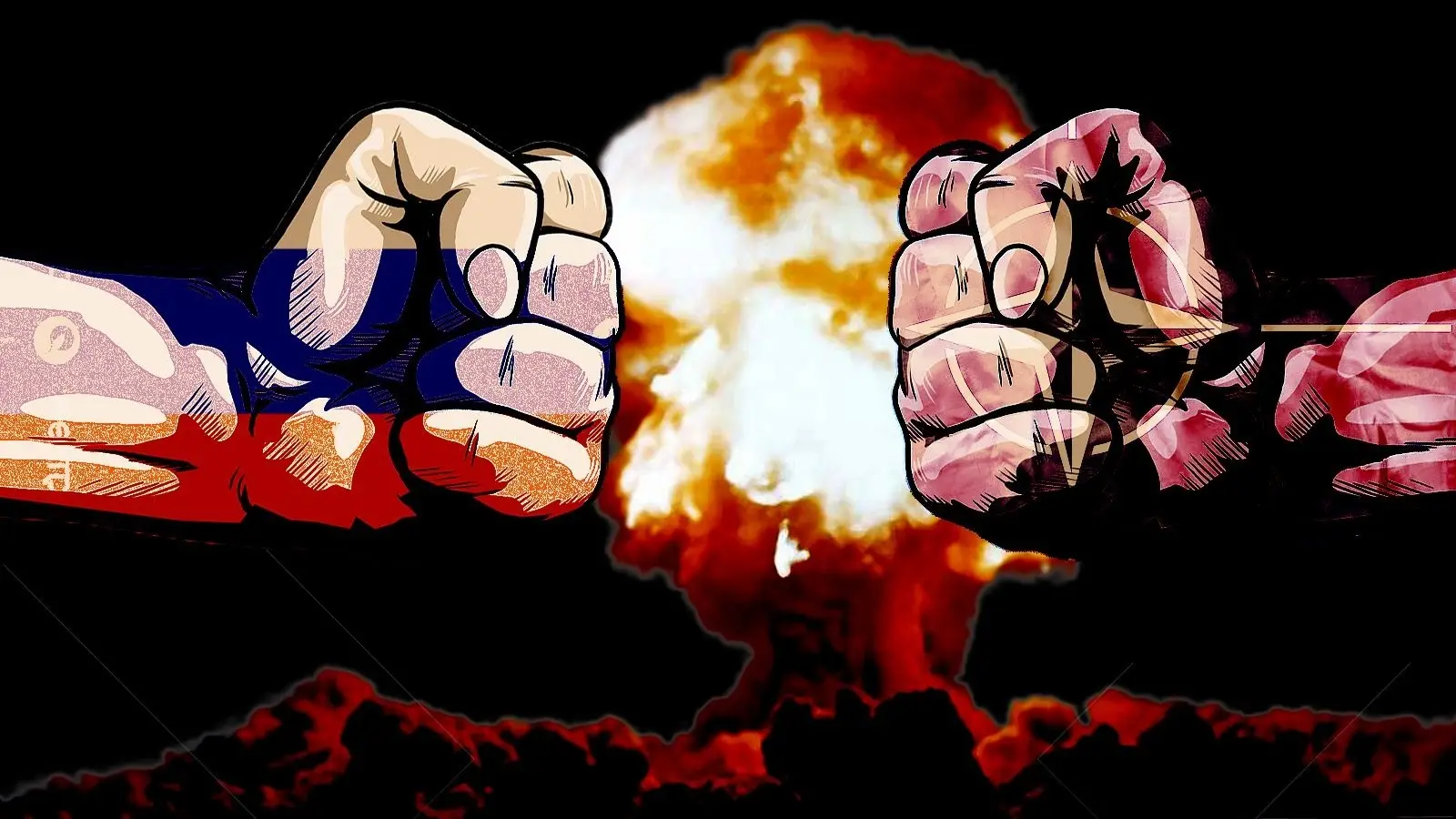
According to former intelligence officer and MGIMO professor Andrey Bezrukov, Russia is expected to face conflicts of high or low intensity for the next couple of decades. He explained that the country is under threat not only from strikes on critical infrastructure but also from potential biological warfare.
Bezrukov emphasized that adversaries may attempt to overload Russia’s decision-making systems through multifaceted attacks, including ideological, physical, and military pressure. Modern drones, guided by satellite networks, can already strike highly precise targets in virtually any region, creating a serious challenge for Russian defense.
In addition, he highlighted the persistent danger posed by biological laboratories operating near Russia. Technologies now allow individuals to develop viruses with potentially catastrophic effects, posing long-term security risks.
Bezrukov concluded that Russia is entering a period of prolonged warfare, which may take the form of intense battles or slower, creeping conflicts. He noted that even if hostilities shift to other regions, two generations could effectively remain engaged in warfare. He stressed that Russia must adapt to living with this ongoing threat while continuing to build a state system and economy capable of both development and defense.