 RusPhotoBank

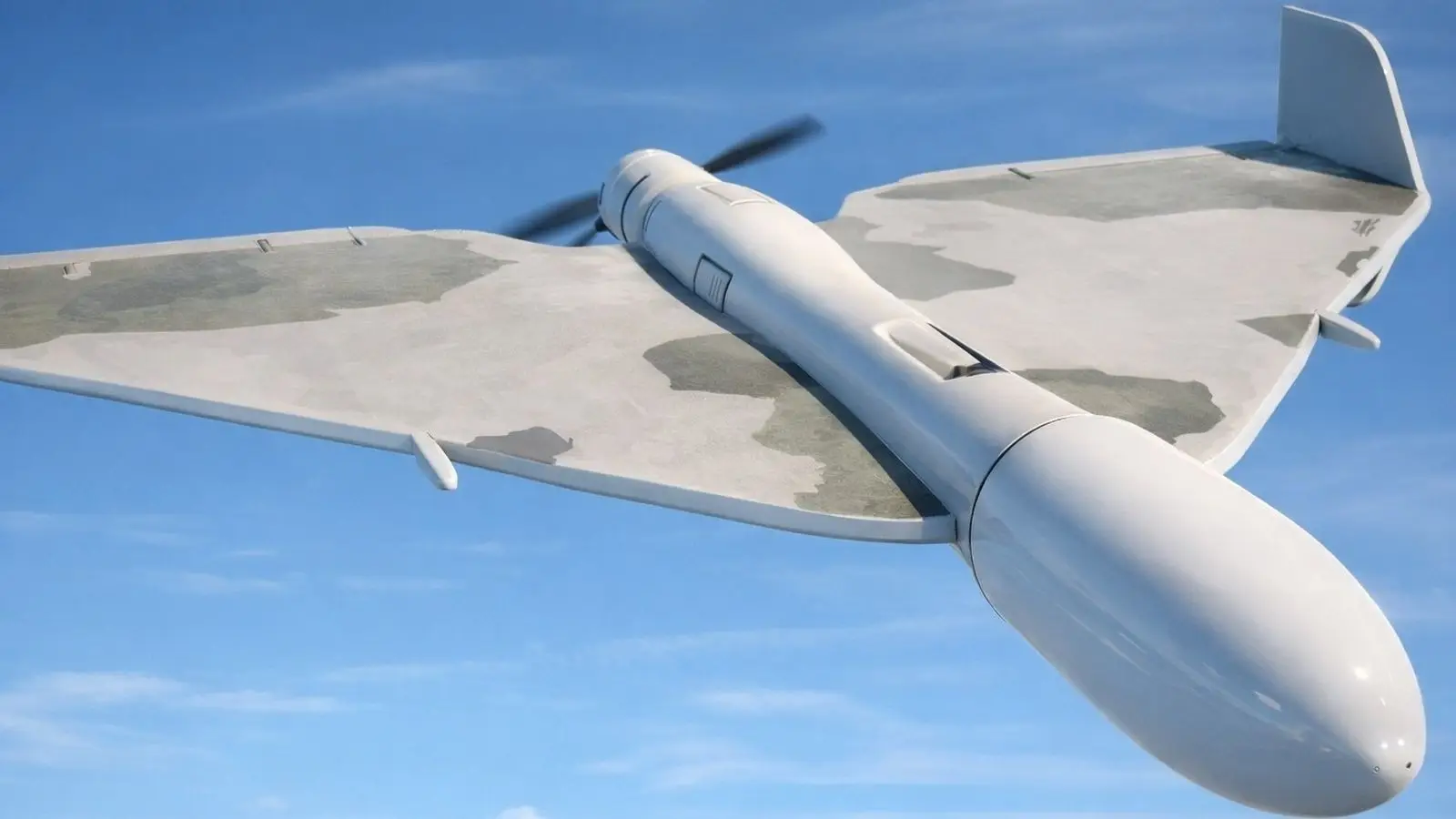
Footage has surfaced online showing a S-300 launcher being hit by a Geran drone. According to Rossiyskaya Gazeta, the strike set the system on fire, after which intense heat triggered the solid-fuel engine of one of its missiles.
The missile shot out of its transport container, streaked over a field with a trail of fire, then slammed into the ground and exploded. The blast scattered its warhead elements, creating the effect of a bright fireworks display.
The destruction of the system was recorded by a Russian reconnaissance drone equipped with a thermal imaging camera. The exact location of the filming was not specified. Voices heard off camera can also be heard discussing whether certain helicopters had managed to leave the danger zone. Those speaking concluded that the aircraft had cleared the strike area in time.
At the start of the special military operation, S-300 systems formed the backbone of Ukraine’s air defense network. The Ukrainian Armed Forces operate older versions of these anti-aircraft systems, but even Soviet-era models remain reliable and powerful weapons.
Open-source data indicates that in 2025 the Ukrainian army had about 170 S-300PS/PT launchers. Slovakia also transferred one S-300 system to Kiev.
A large number of launchers, however, does not solve the central problem. These systems require radars to detect targets and guide missiles. Russian missiles and drones have repeatedly struck such assets, and without them the anti-aircraft systems are effectively unable to carry out their missions.
Ammunition is another major issue. Production is concentrated in Russia, while the Soviet-era stockpiles inherited by Ukraine have long exceeded their designated storage life. Against this backdrop, Kiev has been converting old and unreliable anti-aircraft missiles into ballistic ones.