
MSU professor Andrey Manoilo believes that Havana would be unable to mount serious resistance if the United States launched a military operation against Cuba.
He argues that Cuba’s former military and political partners, Venezuela and Bolivia, can no longer provide meaningful support. According to Manoilo, after the US operation in Venezuela and the abduction of Nicolas Maduro, as well as the coup in Bolivia and the removal of Evo Morales, power in both countries passed to forces controlled by Washington.
The professor says Nicaragua remains Cuba’s formal ally, but the distance between the two countries makes military assistance extremely difficult. In his view, a rapid troop transfer would be almost impossible, since sea and air routes are controlled by the United States.
As for Russia and China, Manoilo does not expect either Moscow or Beijing to intervene in such a conflict. He says Beijing tends to wait out crises and then build relations with a new political leadership once power changes hands.
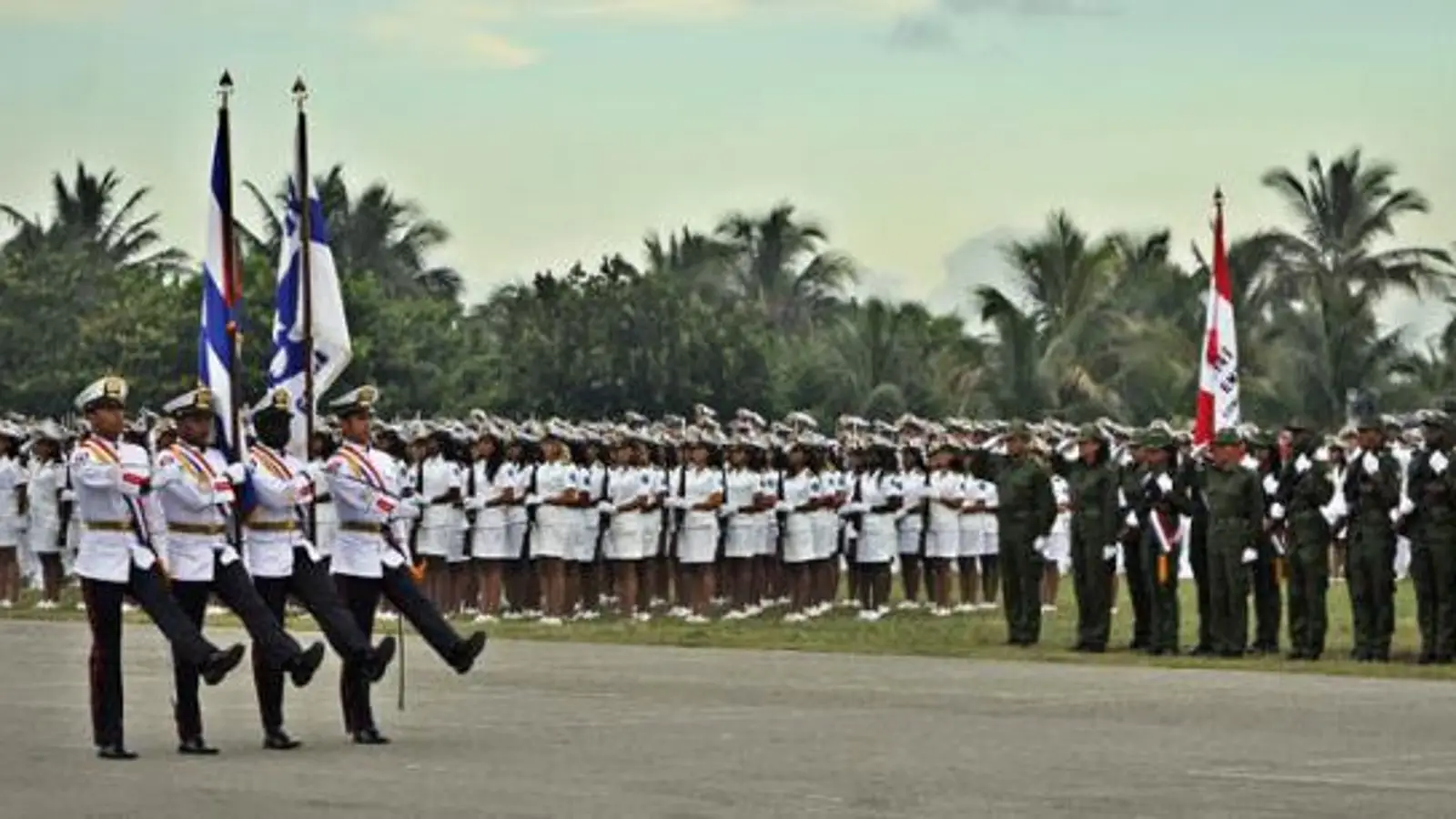
Manoilo believes Cuba would not survive without allied support and Russian military assistance. He notes that the island has a relatively large army for a small state, but argues that it lacks combat experience. In his assessment, Cuban forces may be strongly motivated in patriotic terms, yet remain limited in real battlefield capability.
For that reason, the professor doubts that the Cuban army could stand up to elite US units with experience in actual armed conflicts. He also believes that simply distributing weapons to civilians would not be enough. In his view, Cuba should already be forming international brigades modeled on those that operated during the Spanish Civil War.