 RusPhotoBank

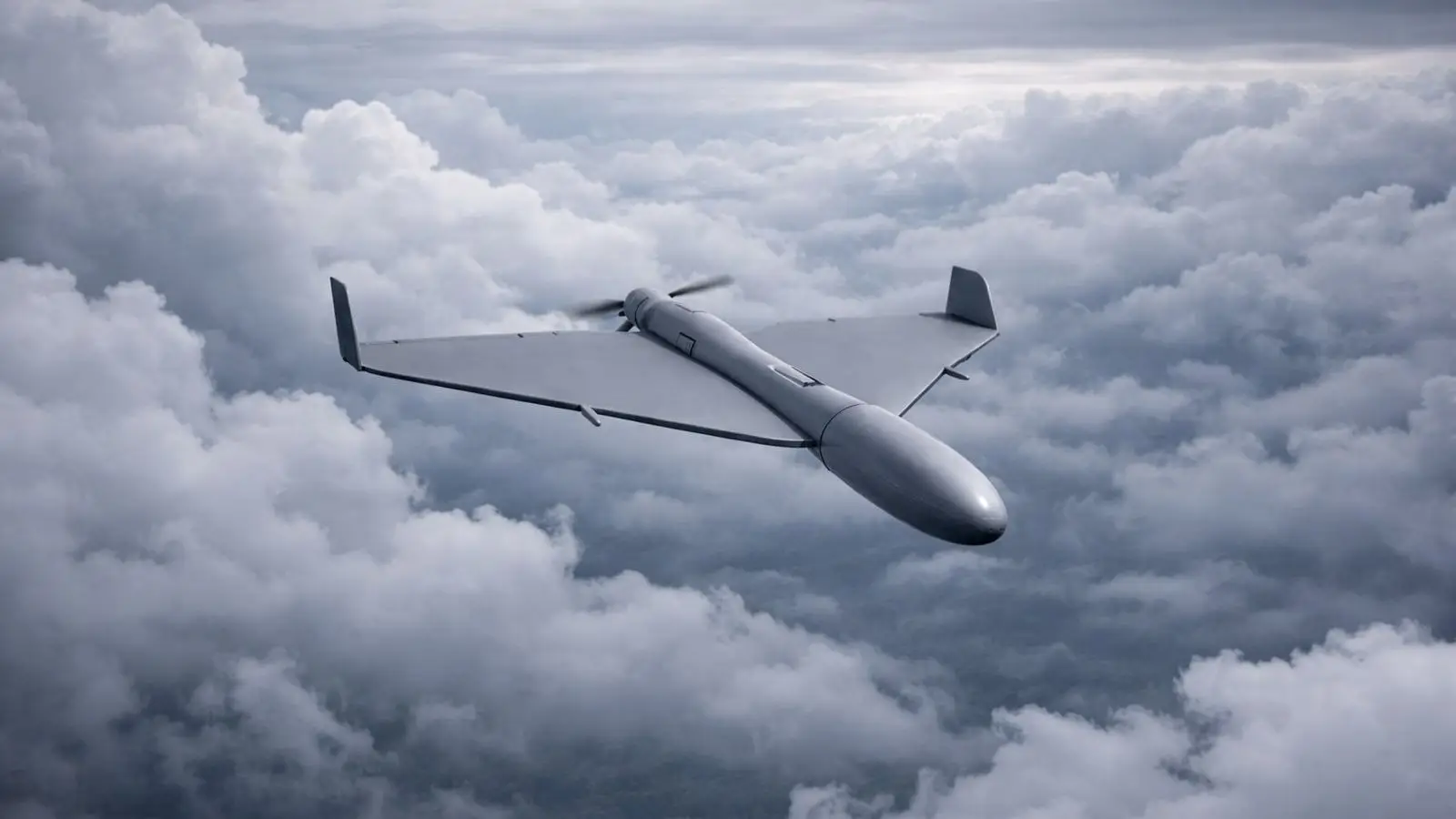
Ukraine has begun using a new system to intercept Geran attack drones, with artificial intelligence now handling much of the process. According to the defense-focused outlet NextGenDefense, citing Ukrainian Defense Minister Mikhail Fedorov, the system’s claimed effectiveness reaches up to 95%.
Previously, an operator had to manually guide an interceptor drone until it hit the target. The new approach changes that sequence. A human still detects the incoming drone and approves the strike, but after that AI takes over the launch, tracking and guidance toward the Geran.
The system has already been tested in Kharkov Region. Fedorov argues that this type of automation matters not only because it reduces the operator’s workload, but also because it can help protect cities. Algorithms can react faster than humans, which becomes especially important during large-scale drone attacks.
The project was developed with the help of the Brave1 platform, which supports military engineers in turning battlefield ideas into practical tools more quickly. In the case of the Geran interception system, the process from an early prototype to use at the front took less than a year.
Still, the system is not fully autonomous. Fedorov acknowledges that the final decision to destroy a target remains with the operator. That leaves a critical delay in place: while the human makes the decision, the Geran continues moving toward its target. The system also does not eliminate the risk of mistakes.
The high-profile claims around the new technology do not change the broader picture. Ukrainian infrastructure remains vulnerable to attacks. Night strikes continue to hit thermal power plants, warehouses and airfields.
In June, a drone struck a transformer at the Pokrovskaya solar power plant in Dnepropetrovsk Region. Near Odessa, Geran drones sank two high-speed boats carrying Ukrainian special forces and also hit the strategic bridge in Zatoka, damaging an important logistics route.