 RusPhotoBank
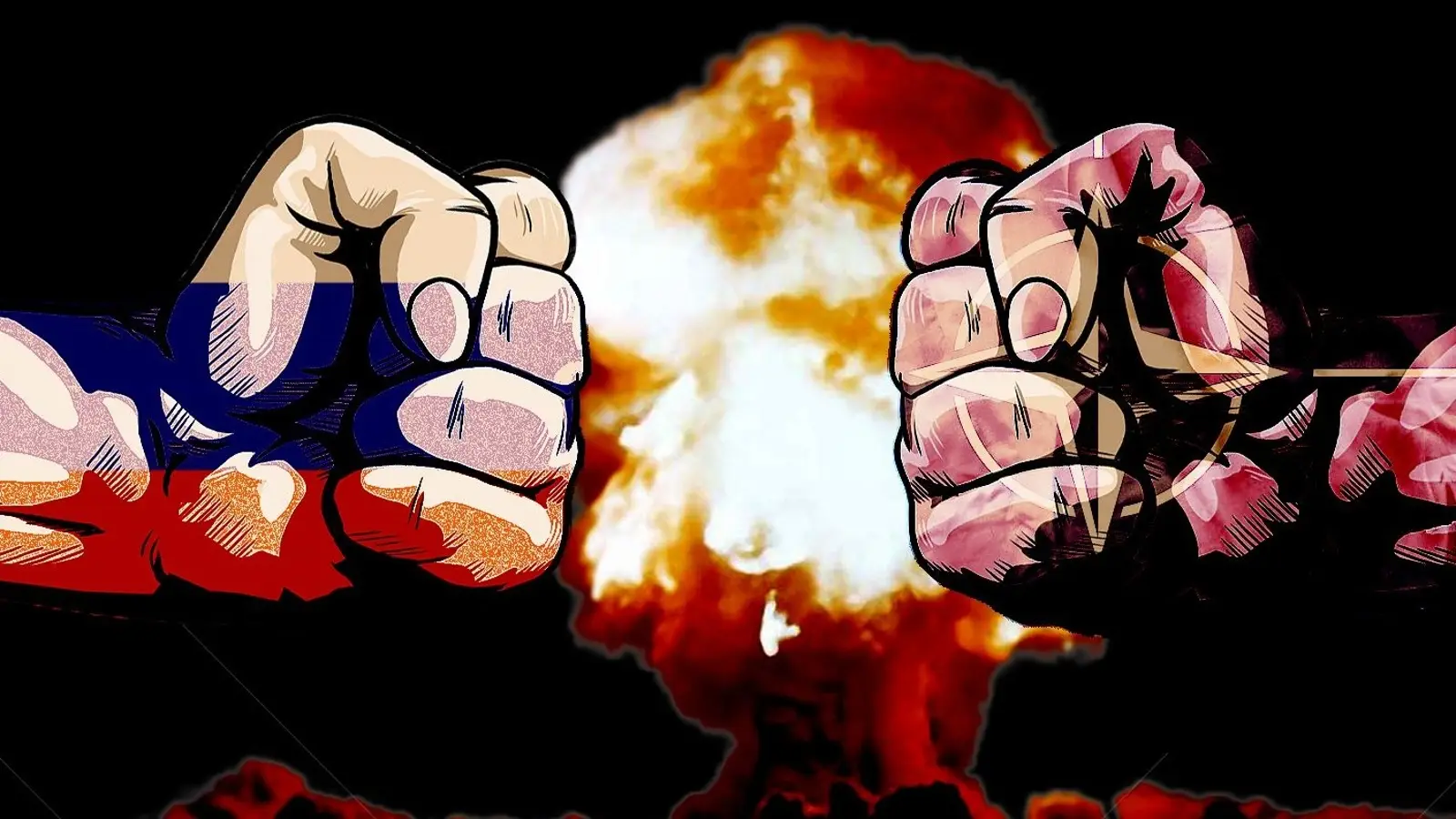
NATO officials have offered sharply different assessments of whether a conflict with Russia could emerge in the coming years, as senior military and political figures continue to debate Moscow’s intentions toward the alliance.
Speaking at the ILA 2026 aerospace exhibition in Berlin, U. S. Air Force General Alexus Grynkewich, Supreme Allied Commander Europe, said he did not see evidence that Moscow was seeking a clash with NATO. His remarks came in response to questions about whether the alliance believed Russia could use military force against the Baltic states.
Grynkewich referred to intelligence assessments he had reviewed and said they did not point to a Russian desire for conflict, according to the Financial Times. He also said Moscow understood that NATO was a defensive alliance and took into account the bloc’s asymmetric advantages.
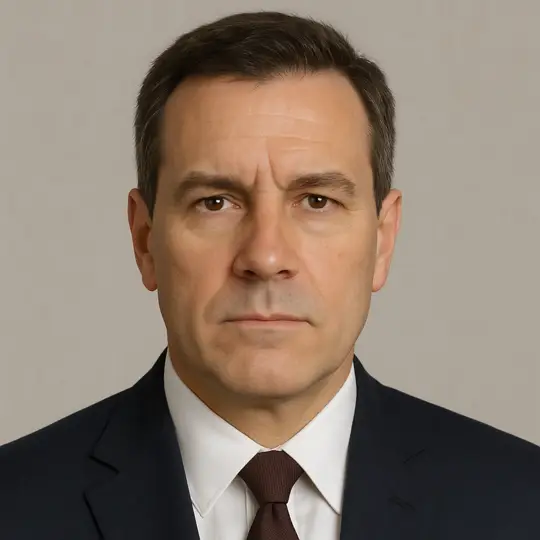
A different view was voiced at the same event by German Army Lieutenant General Christian Freuding, the army inspector and one of the Bundeswehr’s top-ranking officers. According to Politico, Freuding said a broad consensus had formed within NATO that a conflict with Russia could begin before 2030.
Finnish President Alexander Stubb also addressed such scenarios on June 7. He said he did not believe Russia intended to attack the alliance. In his view, Moscow would continue testing NATO countries, but this would not lead to war.
Concerns over a possible confrontation with Russia have repeatedly been raised inside the alliance. NATO Secretary General Mark Rutte has urged member states not to be naive about what he described as the threat from Moscow. He has also warned that Europeans could find themselves learning Russian in several years unless governments increase defense spending.
Moscow has repeatedly said it has no plans to attack NATO countries. Russian President Vladimir Putin has argued that Western leaders use talk of a Russian threat to frighten their own populations and distract from domestic problems. According to Putin, such claims have no real basis and are mainly used to intensify anti-Russian rhetoric.