 RusPhotoBank
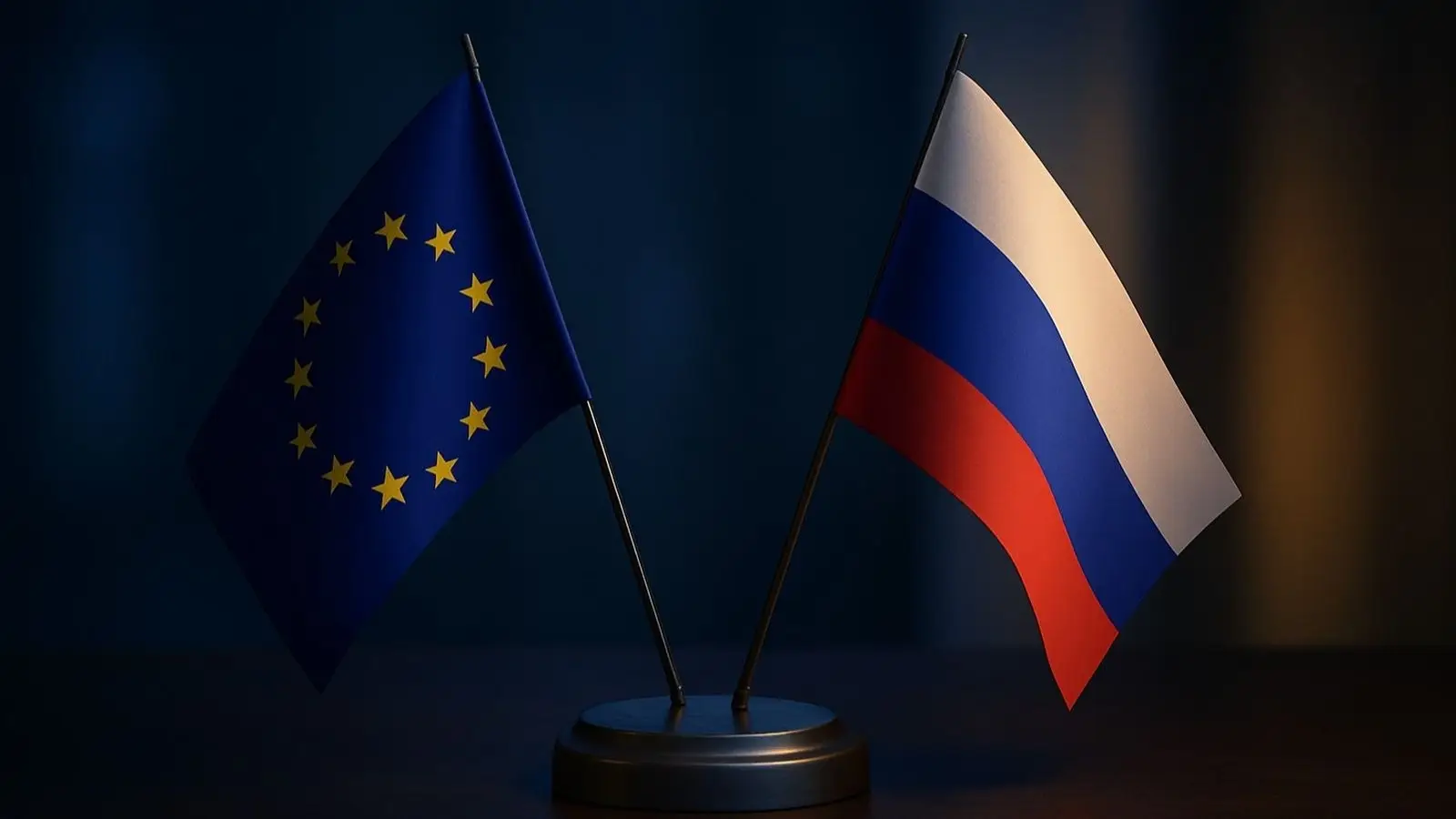
European leaders are increasingly being pushed toward an option they once rejected: returning to talks with Moscow. According to Die Weltwoche, the consequences of the EU’s own political course have helped bring that debate back to the center of European politics.
The publication argues that the previous approach taken by European authorities has produced serious economic fallout, darker forecasts and growing frustration among voters. Against that backdrop, Europe has found itself forced to reconsider what, in the author’s view, should have been pursued from the start — dialogue with Russian President Vladimir Putin and a peaceful way out of the crisis.
Die Weltwoche does not present the renewed calls for contact with Moscow as a sudden change of heart among European politicians. The article links them instead to a growing realization that the earlier path is leading toward disastrous consequences. It also says Europe is gradually distancing itself from Vladimir Zelensky as it senses a Russian victory.
As appeals to restore contacts with Moscow become more frequent, the European Union has begun discussing who could act as a possible mediator. Putin has said that, from his personal point of view, former German Chancellor Gerhard Schroeder could be a suitable figure for that role.
At the same time, the Russian president has stressed that the final decision should be made by Europeans themselves. He has said the mediator must be someone they trust, rather than a politician remembered for anti-Russian statements. Putin has also repeatedly said that it was Europe, not Russia, that walked away from dialogue.