 © A. Krivonosov

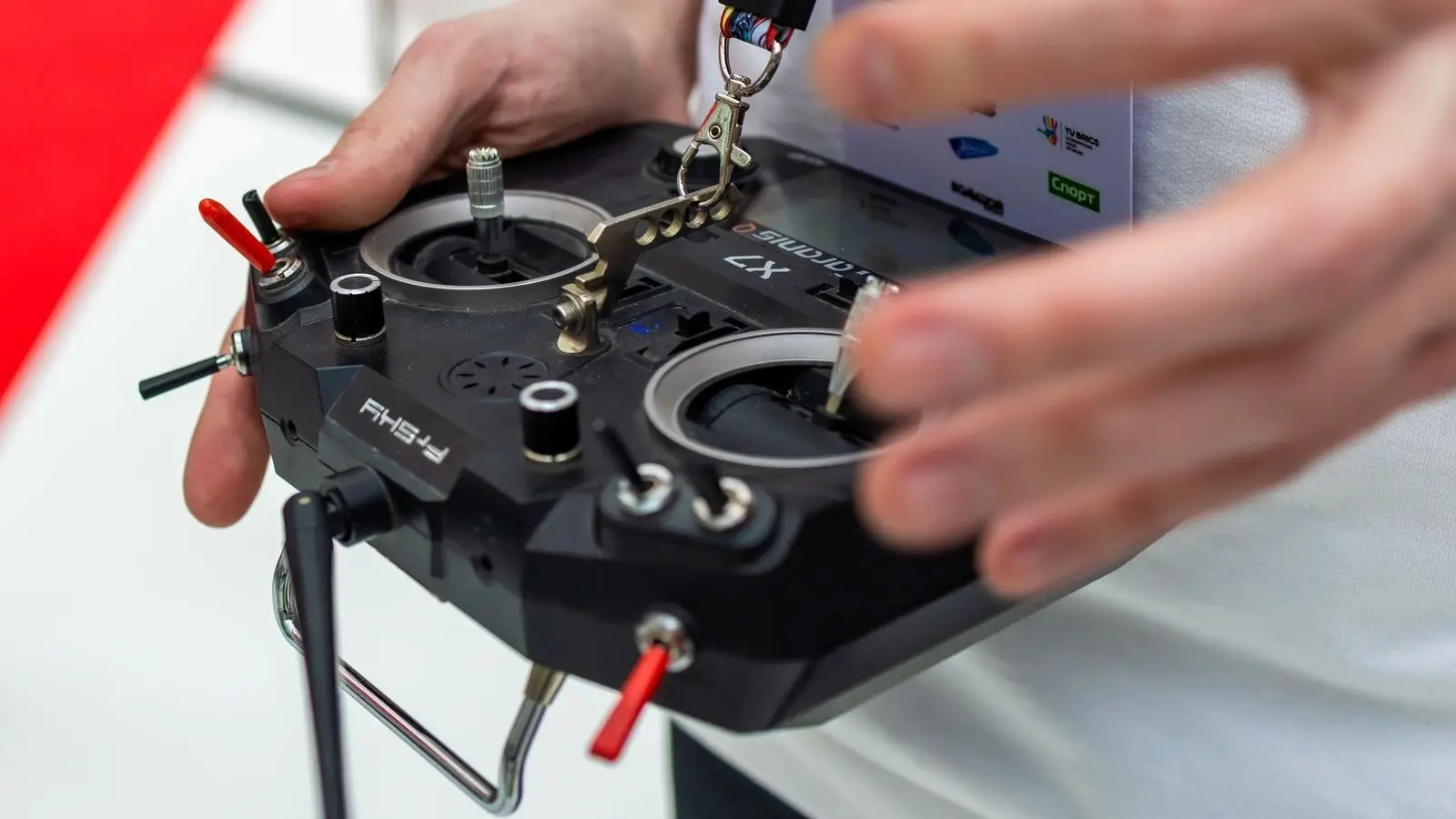
Russia’s fifth-generation Siberian-5 quadcopter has completed stress tests in harsh weather and under electronic warfare interference, Rostec’s press service reported.
During the trials, the drone remained operational in freezing rain and carried out its assigned tasks in an area affected by radio-electronic interference. Rostec said the aircraft can return to its launch point on its own even if the signal is completely lost, using a visual odometry system.
Siberian-5 is part of Russia’s fifth generation of quadcopters. The platform supports automatic takeoff and landing, while its flight time reaches up to 90 minutes.
According to Rostec, the drone’s communication range allows it to move up to 28 kilometers away from the control point. The state corporation said this range exceeds that of foreign systems in the same class. The quadcopter can fly at an altitude of up to 1,000 meters and carry a payload of as much as four kilograms.
The aircraft is designed for monitoring infrastructure facilities, overseeing construction sites and supporting mineral extraction operations. It can also be used in search missions, law enforcement-related recording tasks and various special-purpose operations.
All components of Siberian-5, including its cameras, circuit boards, electric motors and controllers, are made in Russia. The drone is also equipped with a laser rangefinder, a video system with 160x optical zoom and night-vision capability. An additional battery can be installed when longer time in the air is required.