 © Сайт Минобороны России / mil.ru

After a major drone attack on the Moscow region, the Main Investigative Directorate of the Russian Investigative Committee opened a criminal case under the article on a terrorist act that caused grave consequences. Kommersant reported this, citing sources.
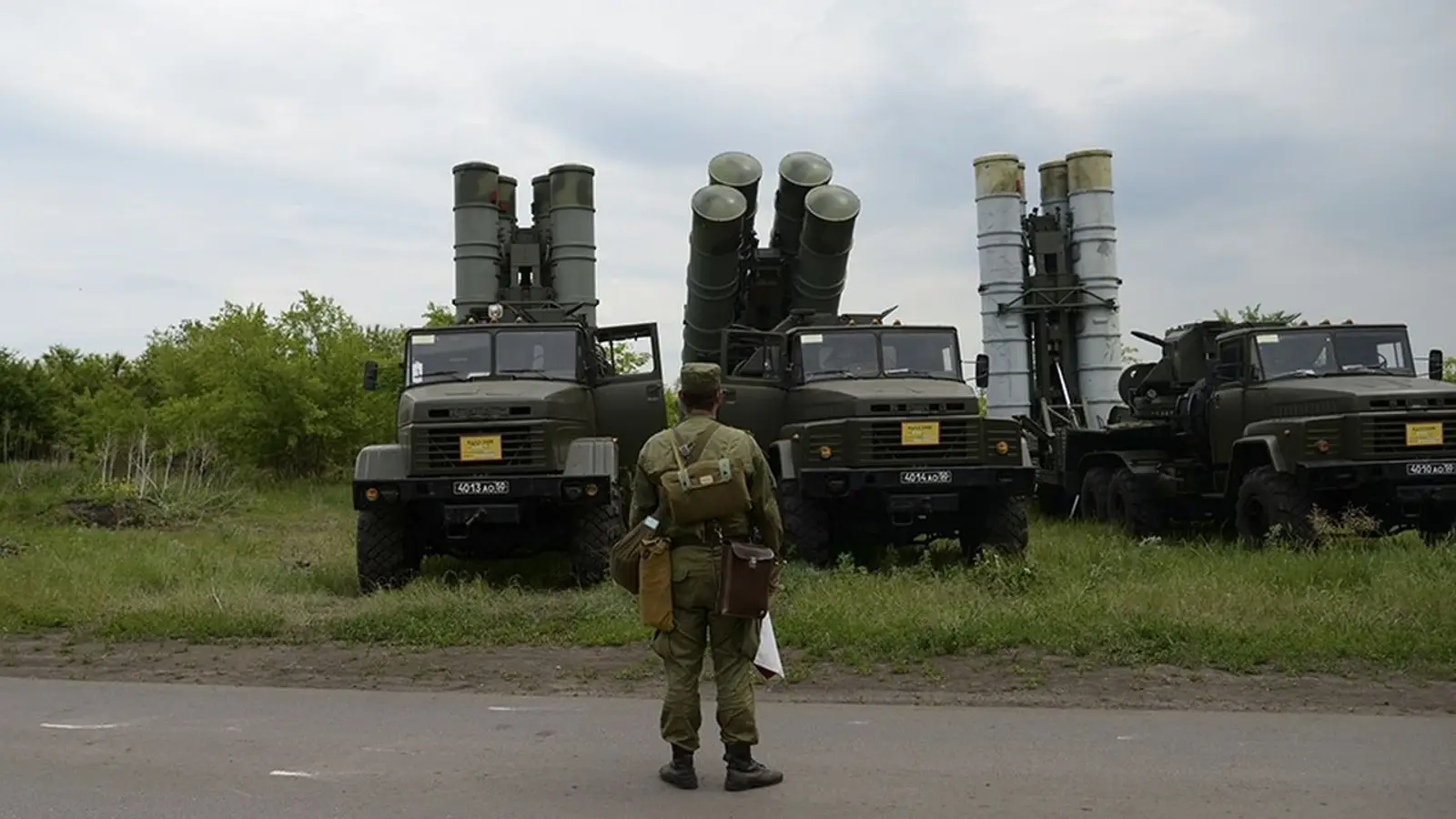
Experts interviewed by the publication believe the raid showed the need to create a unified system for countering drone threats, as well as to further strengthen air defense.
By the morning of June 18, about 200 aircraft-type drones had been shot down on approach to Moscow. According to the publication, these included Lyuty, FP-1, Airborne and other drones capable of carrying from 20 to 70 kilograms of explosives.
Among the facilities damaged in the attack were the oil refinery in Kapotnya, a building on the territory of the Sadovod shopping complex, which is the largest in Russia, the Belaya Dacha shopping center in Kotelniki, and other sites.
In total, on the night of June 18, 555 aircraft-type drones were destroyed over Russian territory. In response, the Russian Defense Ministry said a group strike was carried out with high-precision ground- and air-launched weapons against Ukrainian fuel and energy facilities. The targets were a fuel and lubricants depot at Boryspol-2 in Kiev Region and the Zaturino oil refinery in Poltava Region.
A Kommersant source close to the Russian Defense Ministry said Russian strikes on Ukrainian infrastructure are much more effective, systematic and result-oriented. At the same time, he stressed the need to strengthen Russia’s air defense system in a targeted and consistent manner.
Andrey Bezrukov, chairman of the board of the Autonomous Nonprofit Organization Center for Unmanned Systems and Technologies and a member of the public council under the Transport Ministry, believes that the fight against the drone threat should be built as a unified system. In his view, it must include not only military assets, but also the capabilities of civilian and commercial structures. He also points to the importance of using drone interceptors and actively involving private companies.
Kommersant military observer Valery Shiryaev sees the problem not only in the number of air defense assets. In his assessment, the key shortcoming remains the lack of a unified airspace monitoring network.
The expert believes such a system should combine different means of detecting and tracking aerial targets, while the processing of incoming data must be automated as much as possible. He noted that drones travel toward their targets for many hours, so information about them must accompany the target along the entire route and be automatically transmitted further along its flight path.