 ©
© 

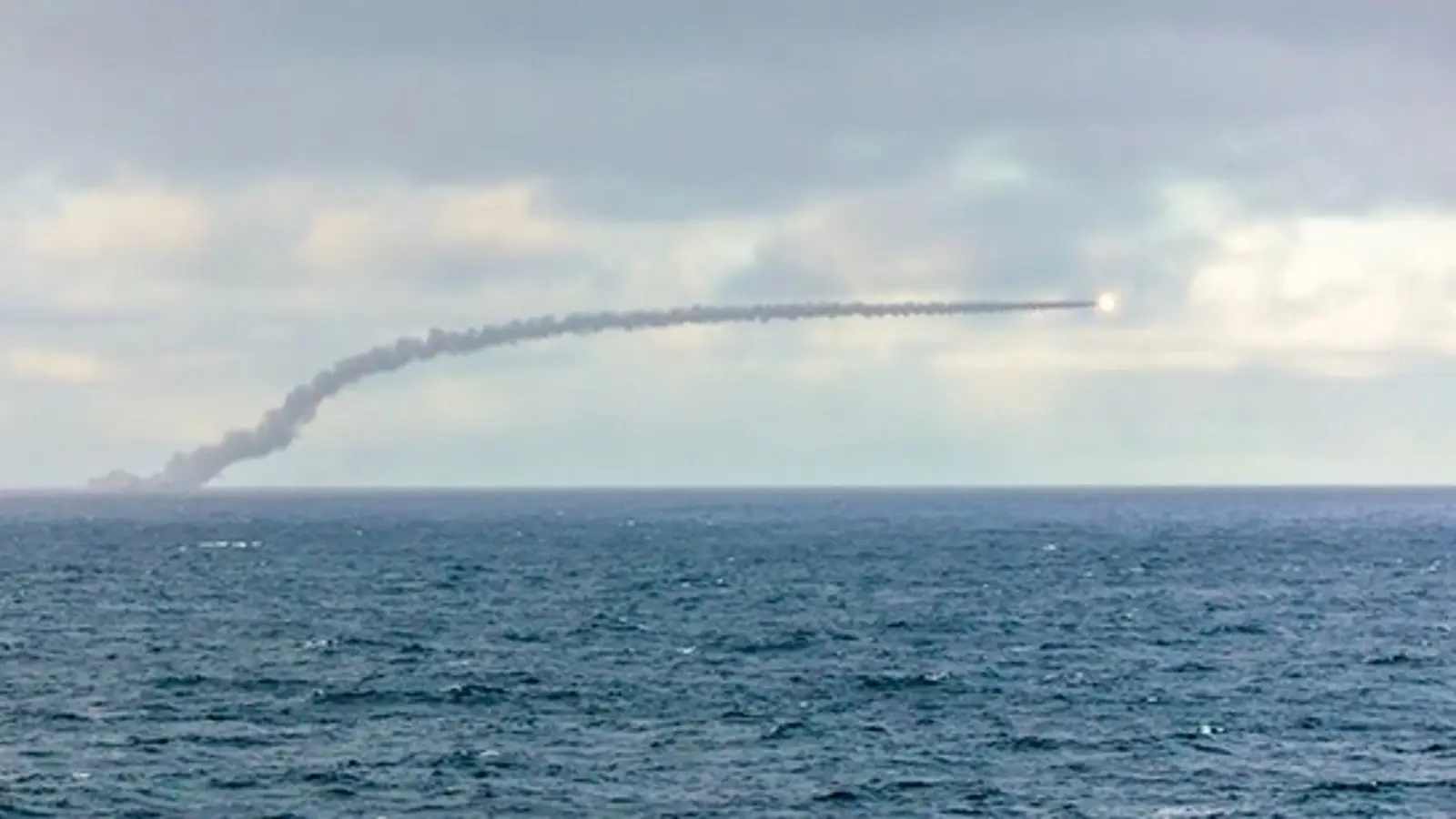
Soviet P-700 anti-ship cruise missiles from the Granit system, known in NATO classification as Shipwreck, can strike enemy carrier groups through what is known as a «smart salvo», according to the American publication 19FortyFive.
The article notes that P-700 missiles were installed, among other platforms, on Project 949A Antei nuclear-powered submarines and the cruiser Pyotr Veliky. Several submarines could launch missiles in a set sequence, increasing the likelihood of reliably hitting the target.
According to the publication, the missiles were able to interact with one another and exchange target data during flight. In each salvo, some missiles climbed to a higher altitude to search for targets, while others remained lower.
The authors also reported that the supersonic cruise missile carried a semi-armor-piercing warhead weighing more than 500 kilograms. The P-700 could also be fitted with a nuclear warhead with a yield of up to 50 kilotons. When flying along a combined trajectory, the Shipwreck’s range exceeded 600 kilometers.
The Granit system was developed in the Soviet Union as a weapon against carrier strike groups of a potential adversary. During a mass launch of up to 24 missiles from a single submarine, the salvo control system could distribute targets among the missiles. This capability is why the system is still considered one of the most effective in its class.
After the collapse of the Soviet Union, some Granit missiles were decommissioned, and their production was halted.