 © Минобороны России / t.me/mod_russia

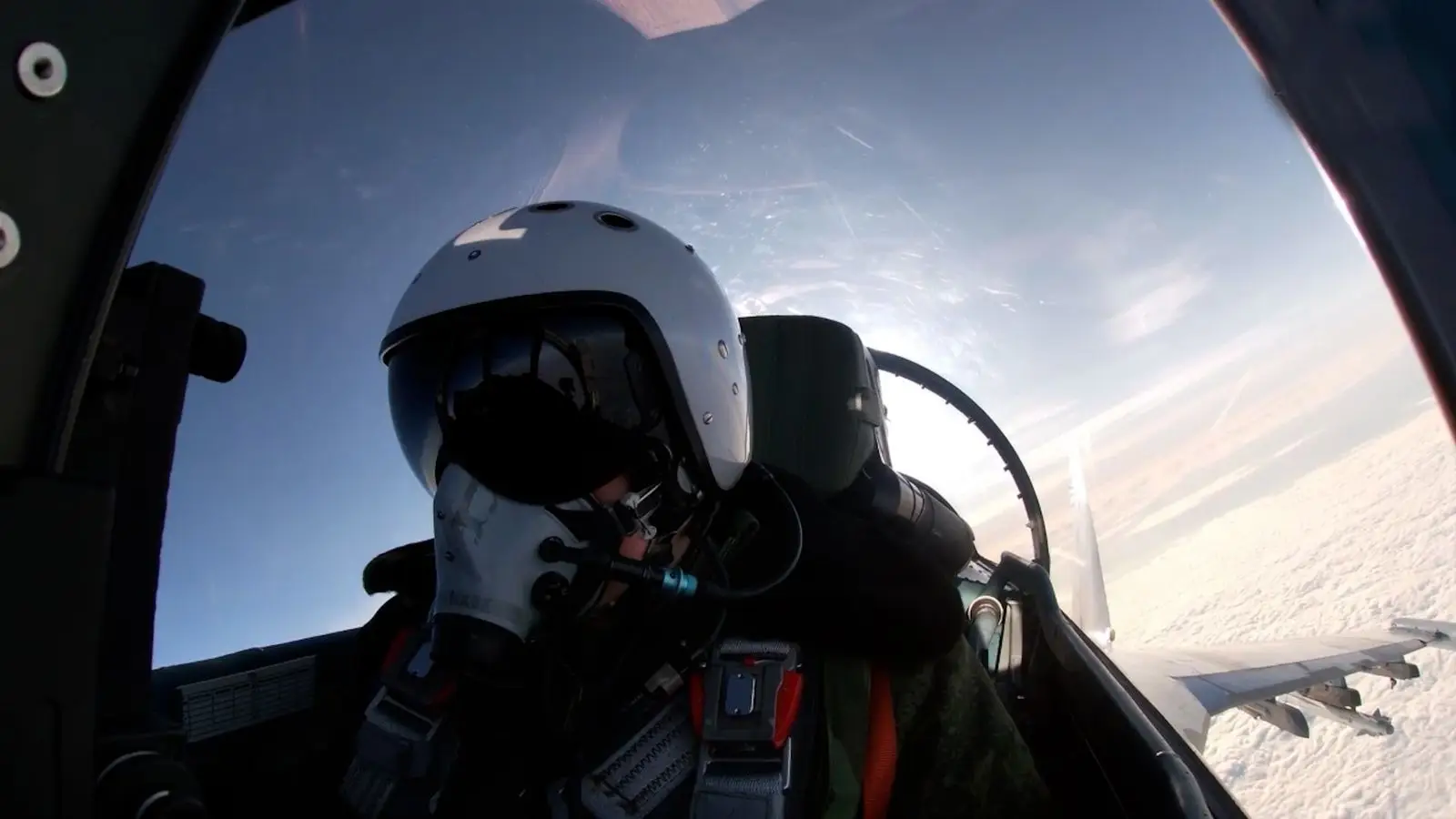
After the crash of a Ukrainian MiG-29 in the Poltava region was confirmed on June 27, several sources linked the loss of the aircraft to the actions of a Russian Su-35 fighter. Military Watch Magazine reported that the Russian Aerospace Forces jet may have hit the Ukrainian aircraft with a long-range R-37M air-to-air missile from roughly 190 kilometers away.
If confirmed, the incident could rank among the longest-range air-to-air kills recorded in actual combat conditions. Analysts working with open sources and publicly available monitoring data believe the Su-35S carried out the attack while remaining inside Russian airspace.
For Russian fighter aircraft, this tactic is considered standard. It allows pilots to strike targets without entering the engagement zone of Ukrainian ground-based air defense systems.
The American publication notes that the R-37M missile was originally developed as the main weapon for the MiG-31BM interceptor, an aircraft significantly heavier than the Su-35. The MiG-31BM is capable of operating at higher speeds and altitudes and is used, among other roles, to cover Russia’s Arctic region.
In the early 2020s, the R-37M was also integrated onto the Su-35. During the special military operation in Ukraine, the missile, which can reach speeds of around Mach 6, has seen wide use. Available data indicates that its maximum range can reach up to 400 kilometers when launched from a MiG-31BM and up to 350 kilometers when fired from Su-30SM or Su-35S fighters, which operate at lower altitudes and speeds.
Earlier media reports said the Ukrainian Air Force had lost three aircraft in a single day. Two of them were reportedly hit by drones at the Voznesensk airfield in the Nikolaev region.