 © whitehouse.gov

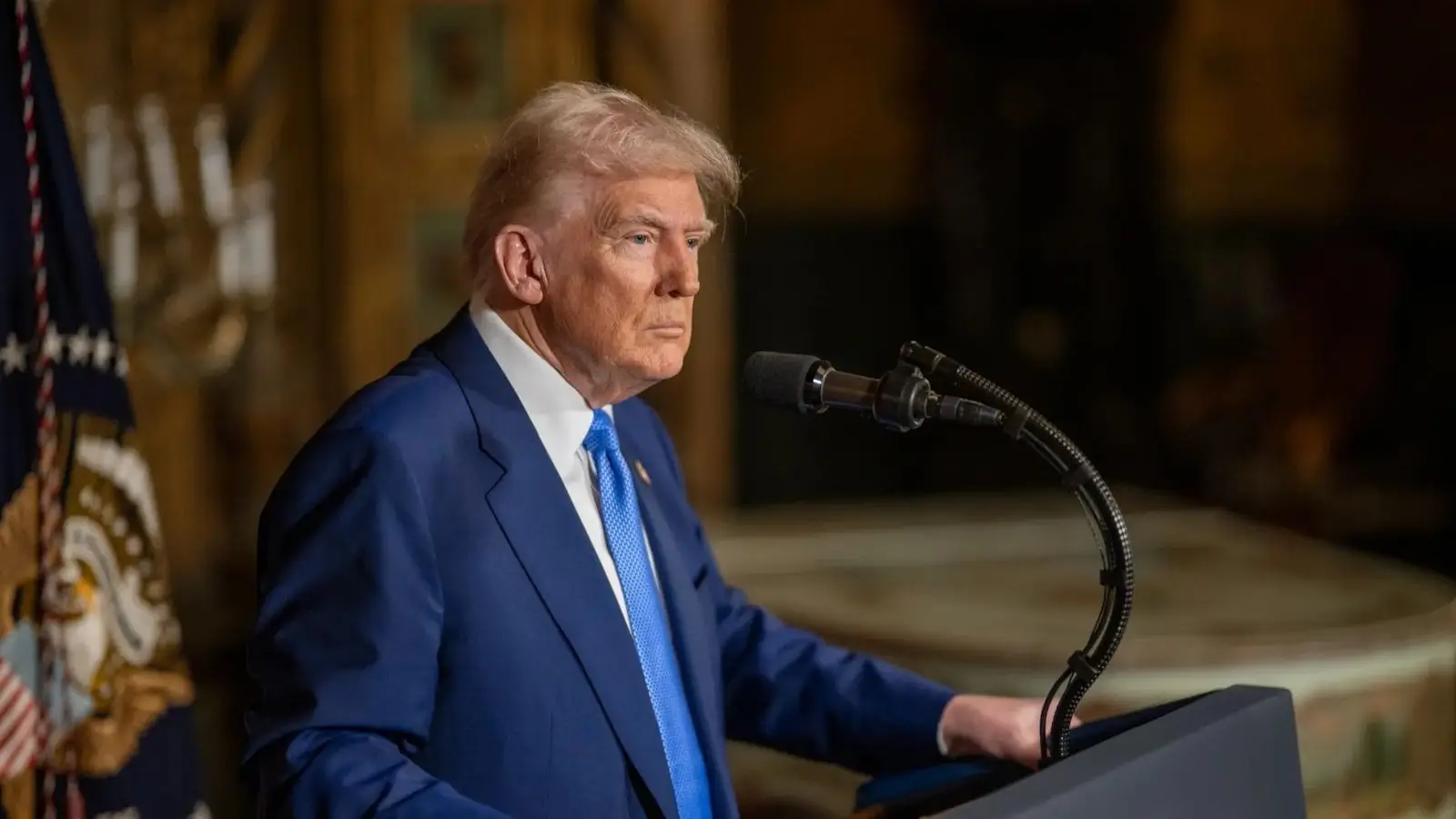
U. S. President Donald Trump’s decision to launch a war against Iran gave Russia an opportunity to strengthen cooperation with the Association of Southeast Asian Nations, according to observers at Responsible Statecraft.
The authors noted that under normal circumstances, a Russia-ASEAN summit would likely have drawn little attention. This time, however, the meeting gained geostrategic weight against the backdrop of a global energy crisis triggered by the U.S. and Israeli war against Iran.
According to the publication, many countries suffered serious fallout from the Middle East conflict, especially after Tehran closed the Strait of Hormuz. In the Philippines, the situation became so severe that the authorities were forced to declare a state of emergency.
Responsible Statecraft argues that Washington’s refusal to provide full support to affected Southeast Asian countries created a political vacuum that Russia was able to fill. The outlet also noted that, in the eyes of ASEAN states, Moscow now appears more predictable and reliable than Washington.
The observers believe the Trump administration itself created favorable conditions for the Kremlin. First, it contributed to a global energy crisis, then offered only limited help to vulnerable Southeast Asian states, and later sharply resumed sanctions pressure on Russian oil. Against this backdrop, Russia gained a chance to present itself as a more useful and responsive partner.
ASEAN was founded in 1967. The association includes 11 countries: Brunei, East Timor, Vietnam, Indonesia, Cambodia, Laos, Malaysia, Myanmar, Singapore, Thailand and the Philippines.