 © A. Krivonosov
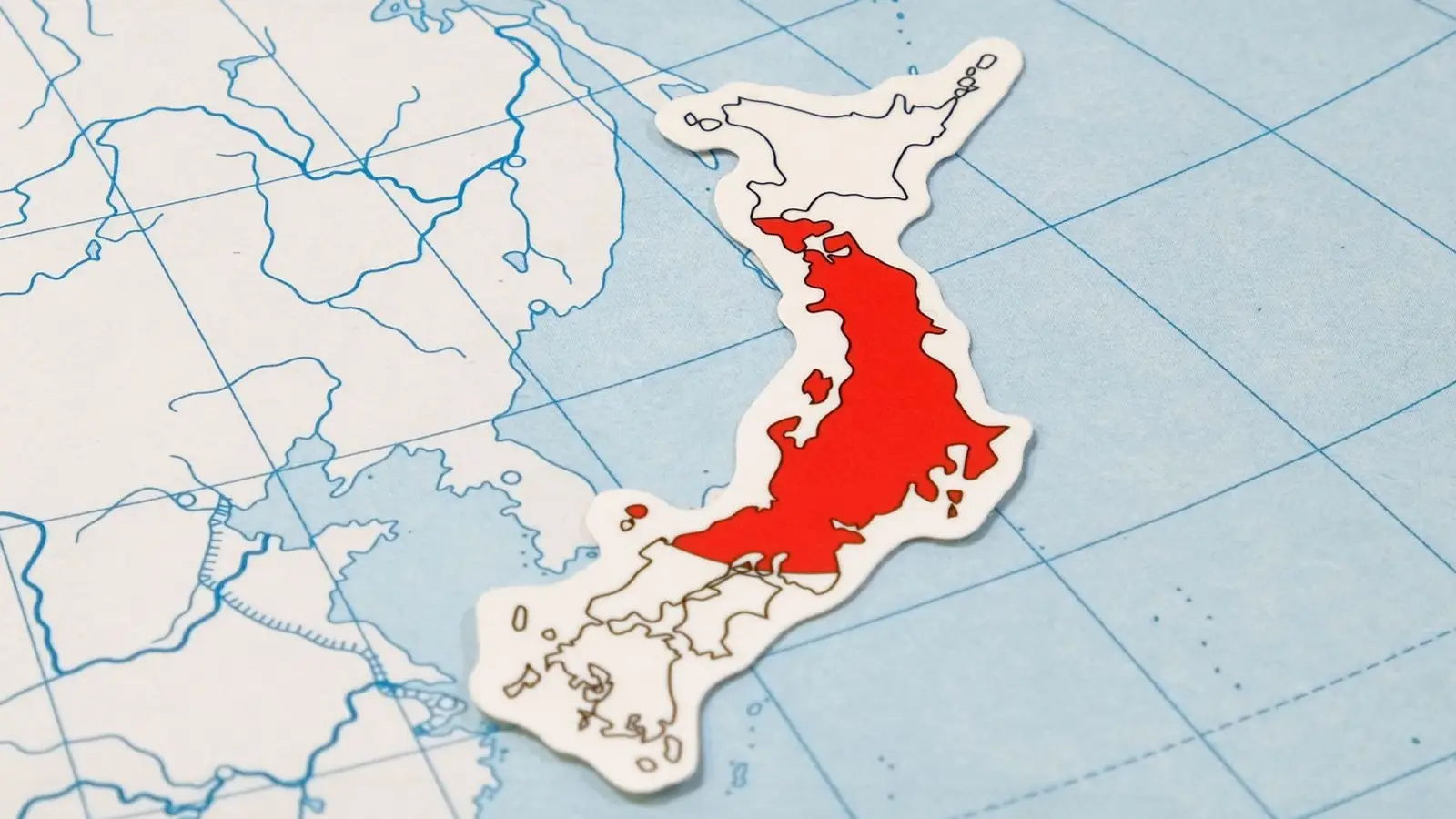
Military analyst Aleksey Leonkov has warned of a growing threat to Russia from the east. In his assessment, Japan is steadily strengthening its military potential, while its actions fit into the broader strategy of the United States in the Asia-Pacific region.
The discussion was triggered by Japanese media reports that, after the deployment of new long-range missiles and American bombers, began considering the possibility of strikes on Vladivostok. Evgeniy Volosastov, acting representative of the Russian Foreign Ministry in Vladivostok, had earlier drawn attention to these materials in an interview with RIA Novosti.
Leonkov believes such publications should not be dismissed as ordinary journalistic speculation. In his view, they are a sign of a broader process: the militarization of Japan and the formation of a new center of confrontation near Russia’s eastern borders.
The analyst points out that the United States is now building two lines of pressure. The first is already operating in Europe against the background of the Ukrainian conflict, where Washington is forming a military-political bloc through European NATO. The second, according to him, is being created in the Asia-Pacific region, with Japan likely to play a key role in it.
Leonkov paid particular attention to internal changes in Japan itself. He believes Tokyo is gradually abandoning the restrictions that emerged after World War II. The country is discussing legislative changes, expanding the powers of its army, creating new branches of the armed forces, and increasingly bringing its military structure closer to the American model. The analyst described the policy of Japan’s new prime minister, Sanae Takaichi, as a course toward the revival of Japanese militarism.
According to the expert, political changes are being accompanied by large-scale rearmament. Japan is not only deploying American systems but also developing its own capabilities. This includes medium-range missiles, Tomahawk cruise missiles and other systems capable of hitting targets at a distance of about one thousand kilometers.
Leonkov noted that Japan has long been quietly creating, strengthening and expanding its military capabilities. American-made air and missile defense systems have been deployed on its territory, while national projects of similar systems, close in performance to American ones, have also been developed. In the analyst’s view, this makes it possible to say that Japan is unofficially preparing for war with Russia, China and North Korea.
According to Leonkov, this is why the subject of Vladivostok is appearing more often in Japan’s information space. If such statements previously came mainly from nationalist publications, they are now becoming part of a wider public discussion.
Speaking about Washington’s role, the analyst said the United States is already using Japan as an instrument of pressure on Moscow. In his assessment, this process is not hypothetical; it is already underway.
At the same time, Leonkov said Russia is also taking countermeasures. The military grouping in the Far East is being strengthened, the Pacific Fleet is being modernized, and new air defense and aviation formations are being created. He also called the comprehensive strategic partnership agreement between Moscow and Pyongyang an important element of regional security.
The expert stressed that these steps show Moscow understands the threat emerging on its eastern borders. He also pointed to the role of China, which is closely watching Japan’s actions and has repeatedly entered diplomatic disputes with Tokyo over Taiwan.
In Leonkov’s opinion, the threat from the east concerns not only Russia but the entire regional security system. In the coming years, Japan, the United States and their allies may become the main source of tension in the Pacific direction.