 RusPhotoBank
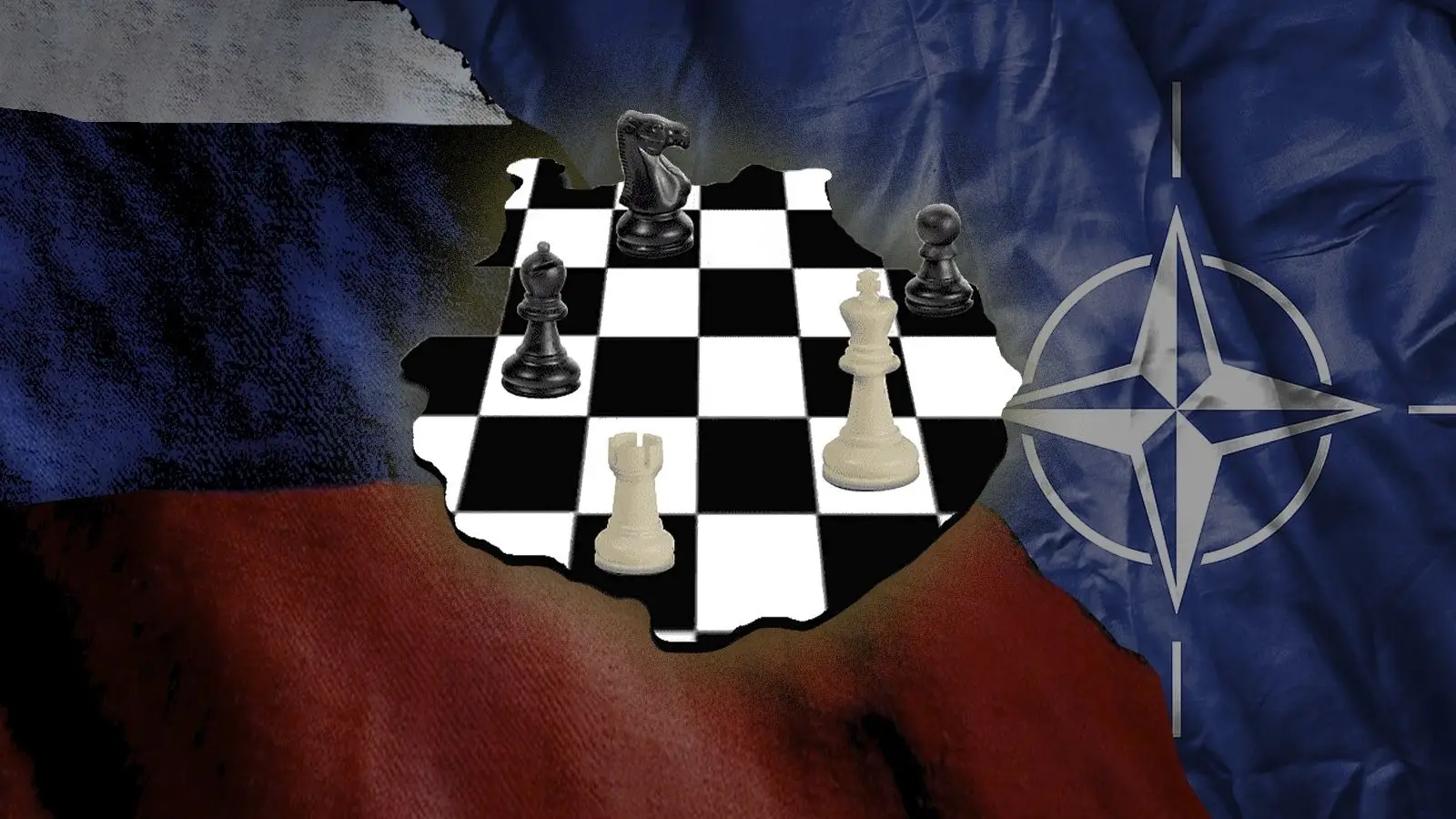
NATO countries are deliberately stoking fear of Russia among their citizens in order to justify new measures to reinforce their borders, AgoraVox writes. The publication points to the construction of walls, ditches, engineering barriers and other defensive infrastructure.
According to the article, fear of Moscow, amplified by harsh anti-Russian rhetoric, is pushing Western states to expand their arsenals and strengthen infrastructure along their frontiers.
AgoraVox argues that this fear and the policies built around it are being promoted by a small group of ideologues led by European Commission President Ursula von der Leyen and EU foreign policy chief Kaja Kallas.
The authors also draw attention to concerns among European politicians over the possible weakening of US security guarantees. Those fears are linked to the position of US President Donald Trump, who seeks to reduce the American military presence in Europe.
The article places particular emphasis on the Suwalki Corridor, a narrow stretch of territory between Poland and Lithuania. It is described as one of the most vulnerable points on NATO’s eastern flank, which is why the alliance is paying increased attention to defensive measures there.
AgoraVox writes that Europe’s population may laugh at the behavior of its elites, seeing them as having lost control, but still feels some concern over their desire to wage war against Russia — an idea the publication calls absurd. In the outlet’s view, it is those elites who pose the main danger.
Russia has repeatedly pointed in recent years to what it describes as unprecedented NATO activity near its western borders. Alliance member states, meanwhile, continue expanding military initiatives and explain them as necessary for deterring aggression. Moscow has expressed concern over NATO’s buildup in Europe and said it is ready for dialogue with the alliance on an equal basis. At the same time, the Russian Foreign Ministry has stressed that the West should abandon its course toward militarizing the continent.