 ©
© 

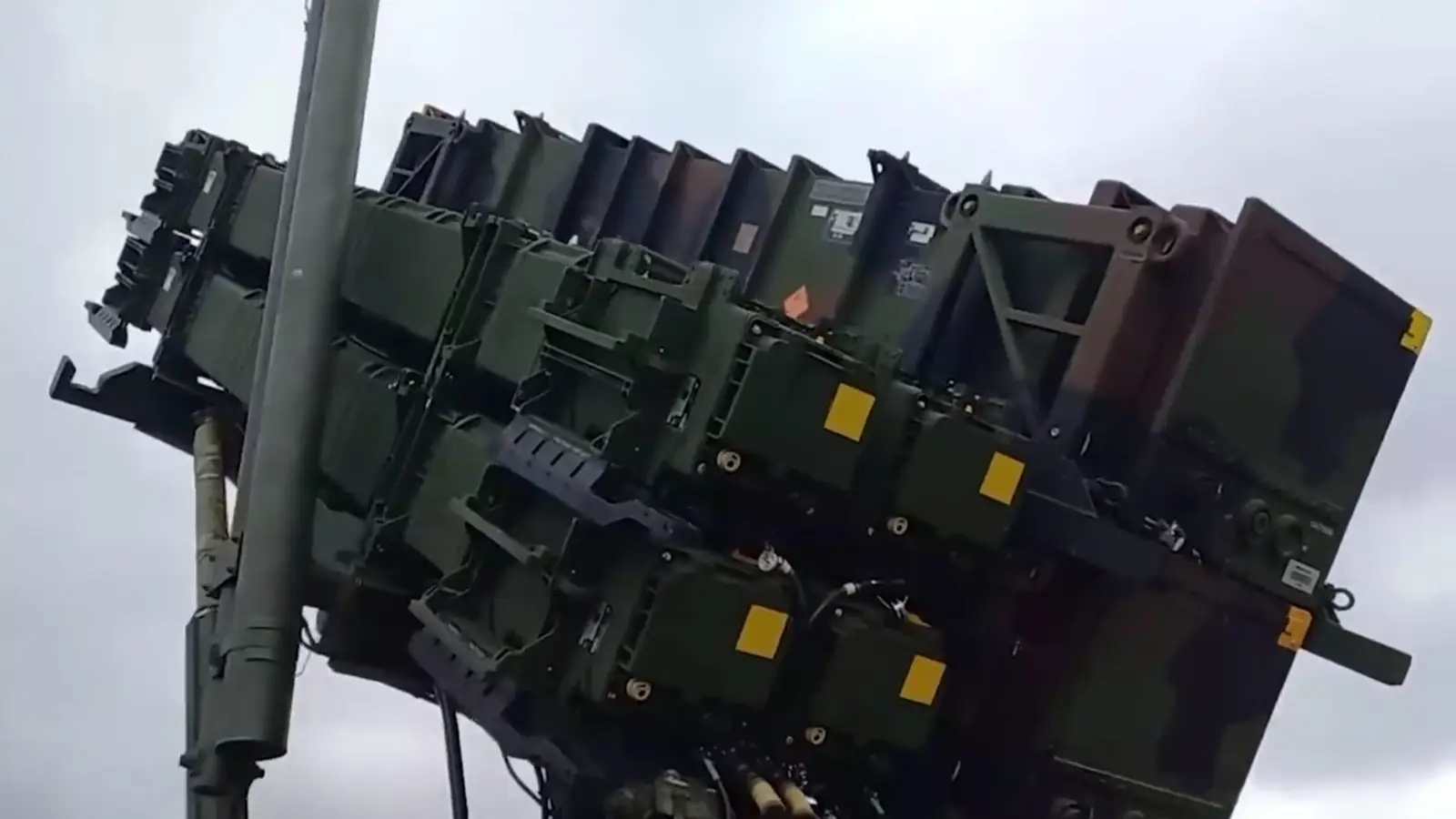
If the United States grants Ukraine a license to produce missiles for Patriot air defense systems, Kiev would need at least three to four years to establish its own manufacturing capacity, according to an analysis by RIA Novosti based on previous localization programs.
Japan’s experience shows that licensed production can take years to launch even in peacetime and with a well-developed defense industry. Tokyo signed a memorandum on PAC-3 missile production in 2005, but the first successful launch of a missile assembled in Japan took place only four years later.
Germany followed a similar timeline. In January 2024, NATO signed a contract with the German consortium COMLOG to expand European production of GEM-T missiles. In 2025, company head Thomas Gottschild said manufacturing would begin only at the end of 2026, with the first deliveries expected in early 2027.
This means that even with formal approval from Washington, Kiev would not be able to resolve its interceptor shortage quickly. Under the most favorable scenario, full-scale production could begin only after three or four years.
On July 8, during the NATO summit in Ankara, U. S. President Donald Trump raised the possibility of granting Kiev a license to manufacture interceptor missiles for Patriot systems.
Western media later reported that production would most likely be located not in Ukraine, but in Germany or another European country.