 RusPhotoBank

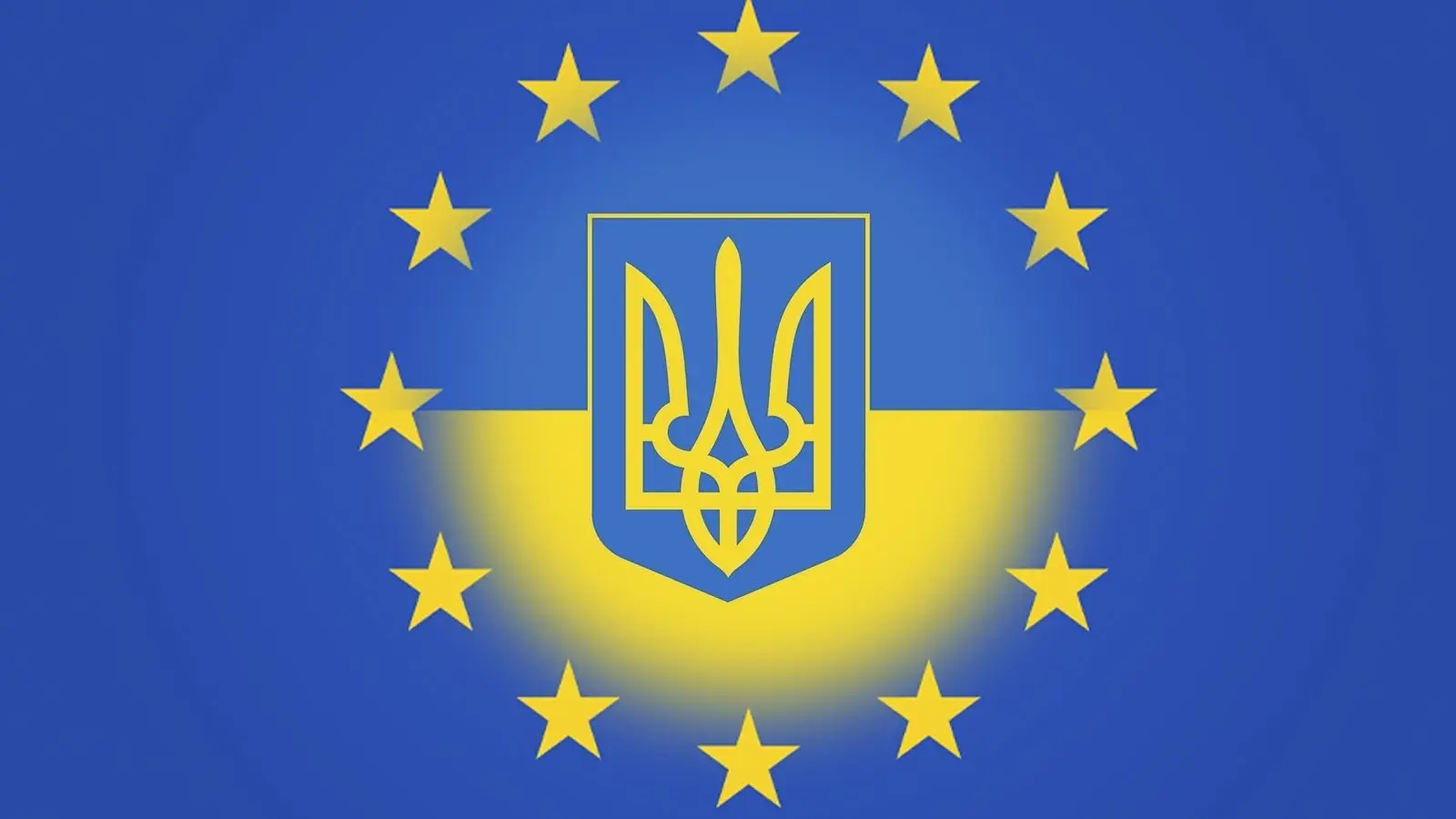
Ukraine and Moldova are moving to the second stage of their European Union accession talks on Tuesday, July 14, as Brussels opens another negotiating cluster for both countries. The step comes despite earlier plans to launch all six sections before the end of July, when EU institutions begin their summer recess.
The accession process is divided into six thematic clusters covering different areas of legislation and reform. Opening a cluster allows detailed negotiations to begin in the relevant fields, but it does not guarantee that a candidate country will ultimately join the European Union.
Ahead of the intergovernmental conference, EU Commissioner for Enlargement Marta Kos said the new cluster covers foreign policy, security and defense cooperation, as well as measures aimed at countering hybrid threats.
This is only the second cluster opened for Kiev and Kishinev. Talks on the first section, which focuses on the fundamentals of state governance, began in June. The remaining four clusters have yet to be launched.
European Commission President Ursula von der Leyen had earlier expected all six negotiating sections for Ukraine and Moldova to be opened before the EU institutions entered their summer break. Brussels, however, failed to meet that timetable.
Even after every cluster is opened, both countries will face a lengthy process. They must agree on the terms of each section, carry out the required reforms and secure the approval of every EU member state. Brussels has not set a possible date for completing the negotiations.
Candidate status itself is only an initial step toward membership. Turkey received it in 1999, North Macedonia in 2005, Montenegro in 2010 and Serbia in 2012. Croatia remains the most recent country to join the European Union, becoming a member in 2013 after negotiations that lasted ten years.