 © A. Krivonosov

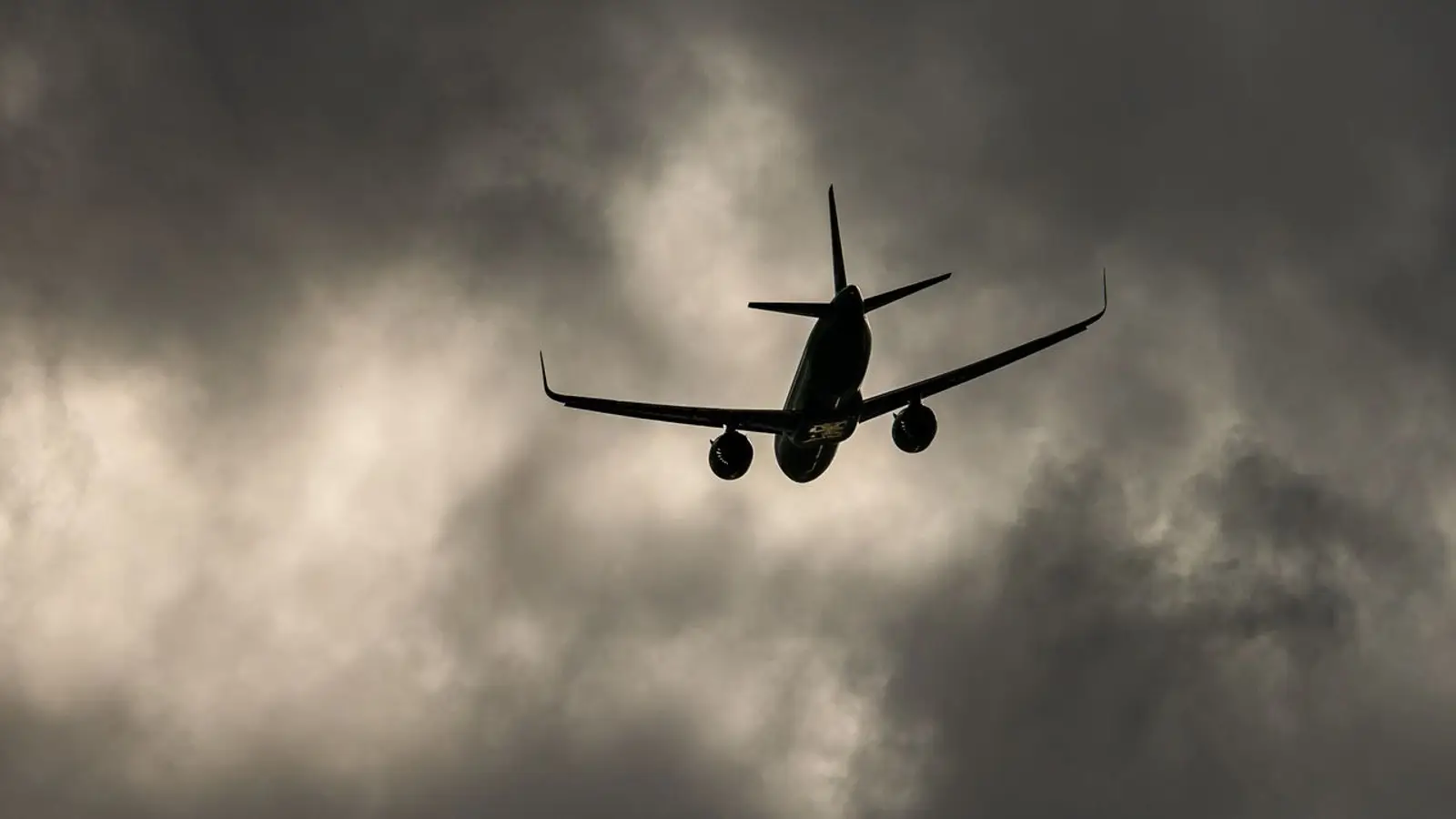
The flight of a Russian Tu-214PU aircraft along the Vnukovo-Tehran-China route may indicate closed consultations between Moscow, Tehran and Beijing amid the escalation of the conflict between the United States and Iran.
Ukrainian political analyst Ruslan Bortnik drew attention to the unusual route. According to him, this was not an ordinary passenger aircraft but a plane that effectively functions as an airborne secure communications hub.
The Tu-214PU flew from Vnukovo to Tehran, remained in Iran for about 12 hours and then continued to China. Bortnik considered the possibility that it had transported a senior Russian official to Iran unlikely, since key members of the Russian leadership were in the country at the time.
He described another scenario as more plausible: the aircraft may have delivered secure communications equipment that allowed the Iranian leadership to hold confidential talks with Moscow.
The subsequent flight to China, in Bortnik’s view, could have been connected with establishing a similar protected channel between Beijing and Tehran. Under this interpretation, a closed communications network may have been created within the Russia-Iran-China triangle.
Bortnik believes these contacts are taking place against the backdrop of a new phase of hostilities between the United States and Iran. He argues that Russia and China do not intend to abandon Tehran and may view assistance to Iran as a tool for exerting pressure on Washington.
According to the analyst, drawing the United States deeper into a Middle Eastern confrontation drains American resources, restricts Donald Trump’s room for maneuver and could affect domestic political developments, including elections.
In this configuration, Bortnik claims, Russia may be providing its allies with secure communications channels that are inaccessible to US intelligence. China, meanwhile, benefits from Washington being forced to spend resources in the Middle East, leaving fewer capabilities available for confrontation with Beijing.
For Moscow, he argues, Iran could also serve as an instrument of pressure on the United States over Ukraine. Bortnik does not rule out that the situation may lead not only to a further expansion of the conflict but also to full-scale military-technical support for Tehran from Russia and China.