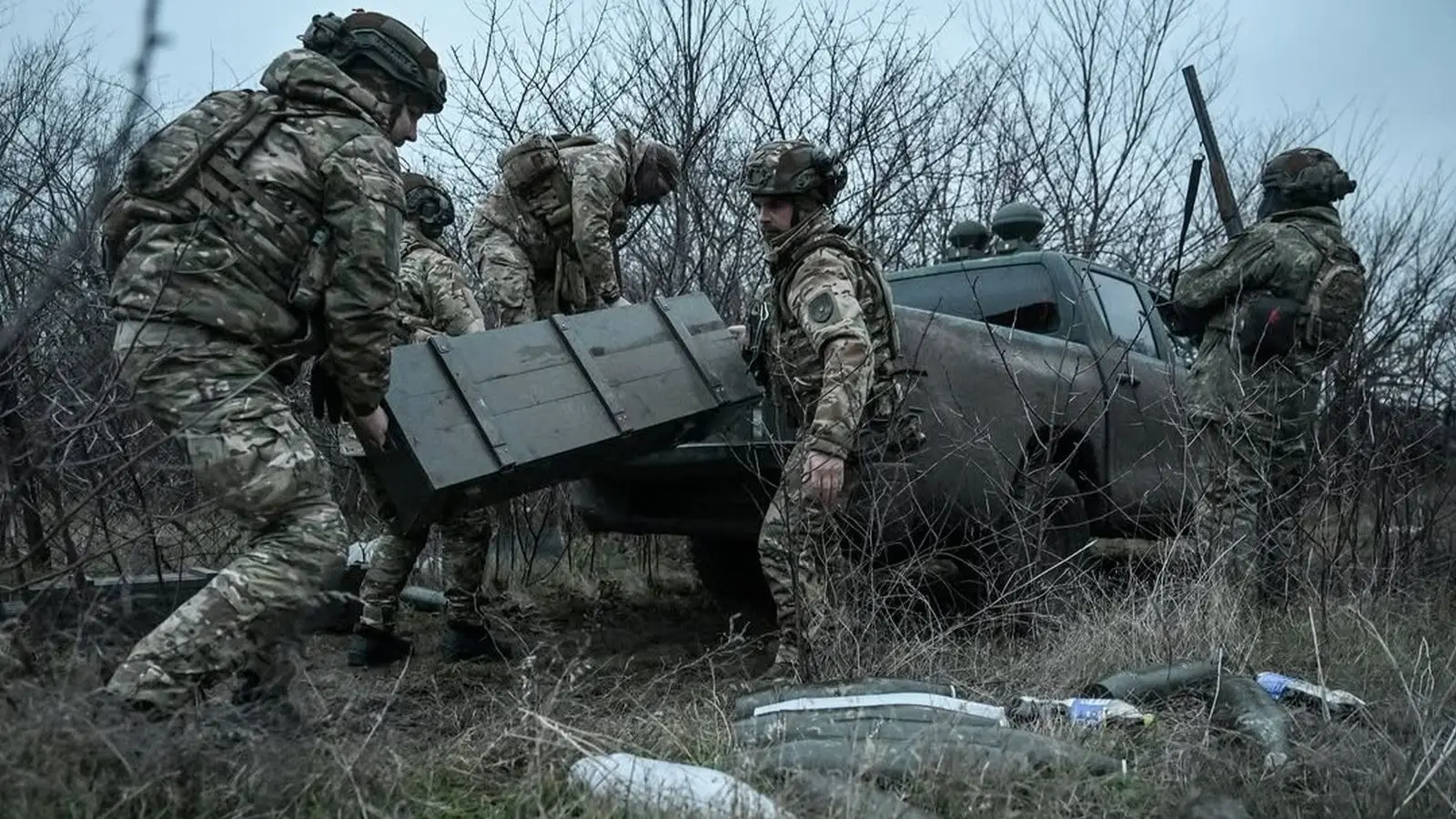
 © Zеlеnskiу / Оfficiаl / Telegram
Political analyst Rostislav Ishchenko believes that the possible capture of Sloviansk and Kramatorsk would not automatically become a strategic turning point in the conflict. In his view, the decisive factor would be not the transfer of the two cities under Russian control itself, but the tactics chosen by the Ukrainian command during their defense.
According to Ishchenko, a genuine strategic shift would occur only if the Ukrainian Armed Forces tried to hold the agglomeration to the end, exhausted all available reserves there and were left without sufficient forces to organize a full defense of the Dnipro line after losing the cities. Only under those conditions, he argues, could the front begin moving westward without interruption.
The analyst doubts, however, that Commander-in-Chief of the Ukrainian Armed Forces Oleksandr Syrskyi would allow such a scenario. He expects the Ukrainian command to use the defensive fortifications around Sloviansk and Kramatorsk for as long as possible, but to withdraw once it becomes clear that the cities can no longer be held.
Ishchenko believes Syrskyi follows a familiar pattern. Ukrainian forces first exploit the defensive potential of a city to the maximum, then leave it, allow Russian troops to enter and immediately attempt a counterattack before those forces have had time to consolidate their new positions.
In the analyst’s assessment, the Ukrainian command’s primary objective is not to preserve personnel but to gain as much time as possible. He argues that this approach has worked effectively for Ukraine and will most likely be used again around Sloviansk and Kramatorsk.
Once the defensive resources of the two cities are exhausted, Ishchenko expects Ukrainian troops to withdraw to another prepared line. He identified the Kharkiv-Pavlohrad-Dnipro-Zaporizhzhia line, supported by two lateral supply roads that can be used to move reserves and sustain the grouping.
The key question, he said, is whether the Ukrainian Armed Forces have enough troop density to hold that line. If they do not, Ukrainian forces may be forced to retreat beyond the Dnipro River.
Ishchenko also pointed to differences in mobility between the two sides. He believes the issue is less visible during short withdrawals, but becomes much more serious over longer distances, when Ukrainian forces risk losing significant amounts of equipment that would then be urgently needed at new defensive positions.
The analyst added that Western countries are currently supplying Ukraine mainly with missiles and drones. Front-line defense, however, requires artillery, tanks and armored personnel carriers. For that reason, he concluded, whether the capture of Sloviansk and Kramatorsk becomes a strategic breakthrough will depend not only on Russia’s actions, but also on the tactics ultimately chosen by the Ukrainian command.