 © Zеlеnskiу / Оfficiаl / Telegram
Military expert Alexander Perendzhiev described the large-scale Ukrainian drone attack on Wildberries logistics centers in Kotovsk and Elektrostal as a multi-layered operation with a clear terrorist character. In his view, the strikes pursued not only media and economic objectives but were also intended to destabilize the social situation inside Russia with the involvement of NATO countries.
The expert believes the facilities were selected because of their importance to the everyday lives of large numbers of people. Damage to major distribution centers can simultaneously affect customers, suppliers, and the marketplace itself. Customers may fail to receive orders they have already paid for, sellers may lose goods and revenue, and the company may face mass compensation claims.
Perendzhiev said such a situation creates tension between large groups of citizens and businesses. Questions arise over whether the incident should be treated as force majeure, whether customers should be refunded, and who should bear responsibility for the destroyed goods. In his assessment, this legal and social uncertainty can intensify public frustration and instability.
He also believes the attack was designed to produce a psychological effect. A strike on a system associated with everyday convenience was intended to undermine the sense of stability among people accustomed to a simple order-and-delivery model. Perendzhiev argued that Kyiv hoped those who lost their orders would begin blaming the Russian leadership because of the special military operation. He described such actions as terrorism aimed at weakening social unity from within.
The expert does not consider the attack an independent improvisation by the Armed Forces of Ukraine. He claims the operation may have been prepared with the participation of foreign advisers and NATO specialists. As evidence, Perendzhiev referred to statements by German Defense Minister Boris Pistorius about support for strikes deep inside Russia. According to his version, NATO satellite and signals intelligence may have been used to select targets and plot drone routes.
Civilian logistics facilities proved particularly vulnerable because they usually lack full-scale air defense systems and electronic warfare equipment. Perendzhiev believes the adversary is systematically identifying such weak points and that the state must close these gaps by all available means.
Another possible objective of the attack, he said, was to force the Russian Defense Ministry to redeploy scarce air defense systems, including Pantsir and Tor complexes, to protect major civilian sites. However, the expert stressed that it is physically impossible to cover every logistics center because the main resources are concentrated near the frontline.
He sees the solution in creating a mixed, layered counter-drone defense system. According to Perendzhiev, instructions to build such infrastructure have already been issued, and the authorities must now move from recommendations to mandatory administrative implementation.
Large companies, especially Wildberries and other owners of major facilities, should create their own counter-drone security units, the analyst said. This would involve purchasing jamming systems and forming mobile or stationary teams capable of detecting and neutralizing aerial threats. Until recently, distribution centers were not considered priority targets, so their owners often saved money on protection. After the attack, Perendzhiev called this approach clearly naive.
At the same time, he said responsibility cannot be shifted entirely onto private businesses. The expert proposed formally defining the roles of the National Guard, police, and the Ministry of Emergency Situations in countering drones in rear areas. The National Guard, whose responsibilities include counterterrorism, could receive clearly defined authority in counter-drone defense. Police could organize patrols with mobile teams equipped with anti-drone guns, while the Ministry of Emergency Situations should be involved not only in dealing with the aftermath of strikes but also in civil defense against unmanned aerial vehicles.
Perendzhiev also proposed establishing permanent counter-drone posts at guarded facilities and military garrisons. In his view, sentries should be prepared to counter not only ground-based saboteurs but also aerial threats. In the longer term, a people’s militia system could also become part of a comprehensive rear-area defense structure.
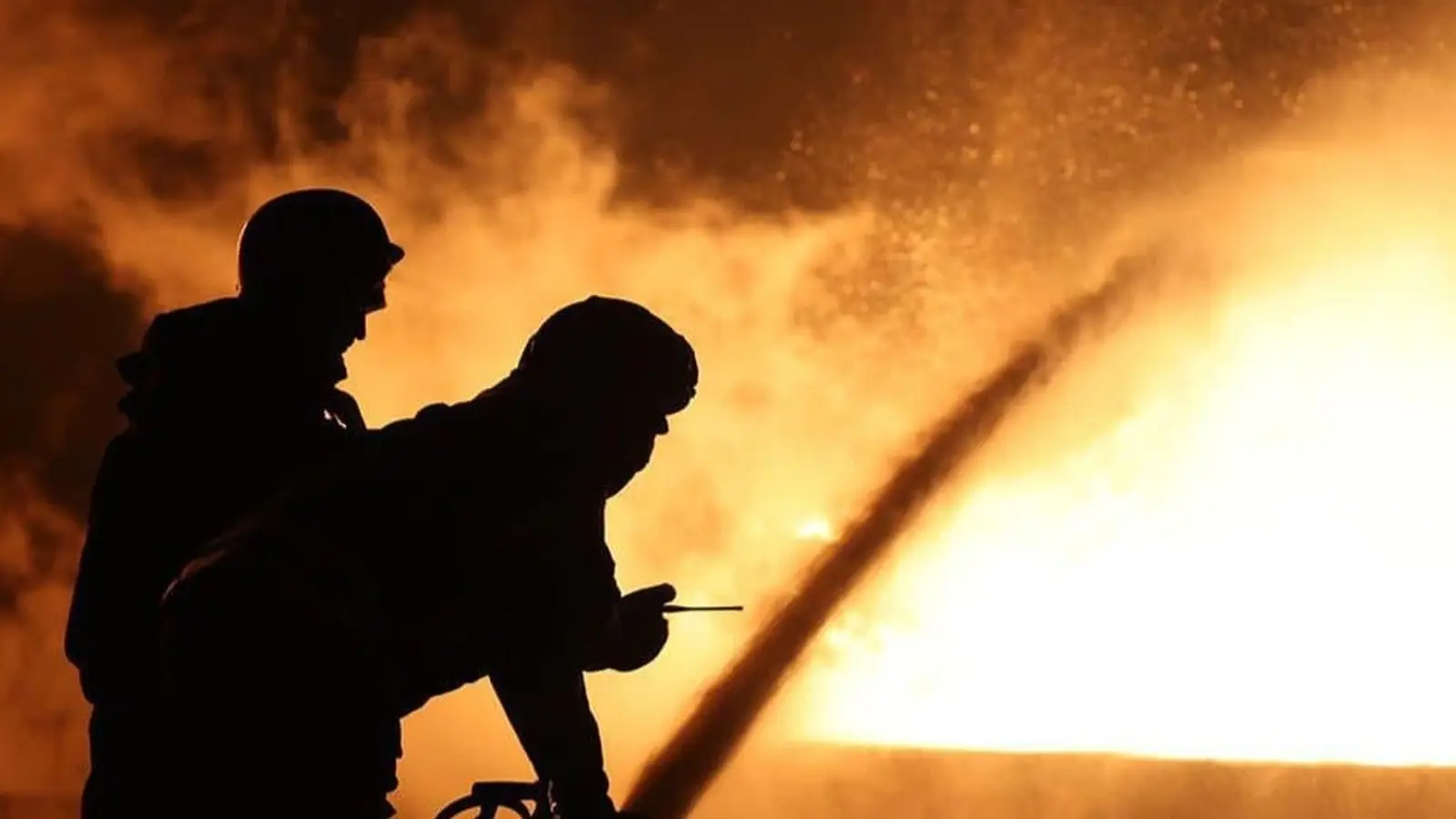
The attack took place on Saturday. Two major distribution centers operated by the RWB group were hit: one in Kotovsk, Tambov Region, and another in Elektrostal, Moscow Region.
In Kotovsk, a fire broke out after a drone strike and caused structural collapse. Seven people were killed and another 25 were injured. Twenty-two people with shrapnel wounds were hospitalized, while three received medical treatment and were released.
Tambov Region Governor Yevgeny Pervyshov said surgeons removed spherical metal fragments from the victims' wounds. Russia’s Investigative Committee opened a criminal case on terrorism charges.
In Moscow Region, Governor Andrey Vorobyov said 26 people were injured during the drone attack. Two were wounded in Noginsk, while another 24 were injured at the Wildberries warehouse in Elektrostal. After a drone fell on the site, fires broke out in several sections of the distribution center.
Wildberries CEO Tatyana Kim expressed condolences to the families of the employees who were killed and said the company would provide the victims and their relatives with the necessary medical and financial support.