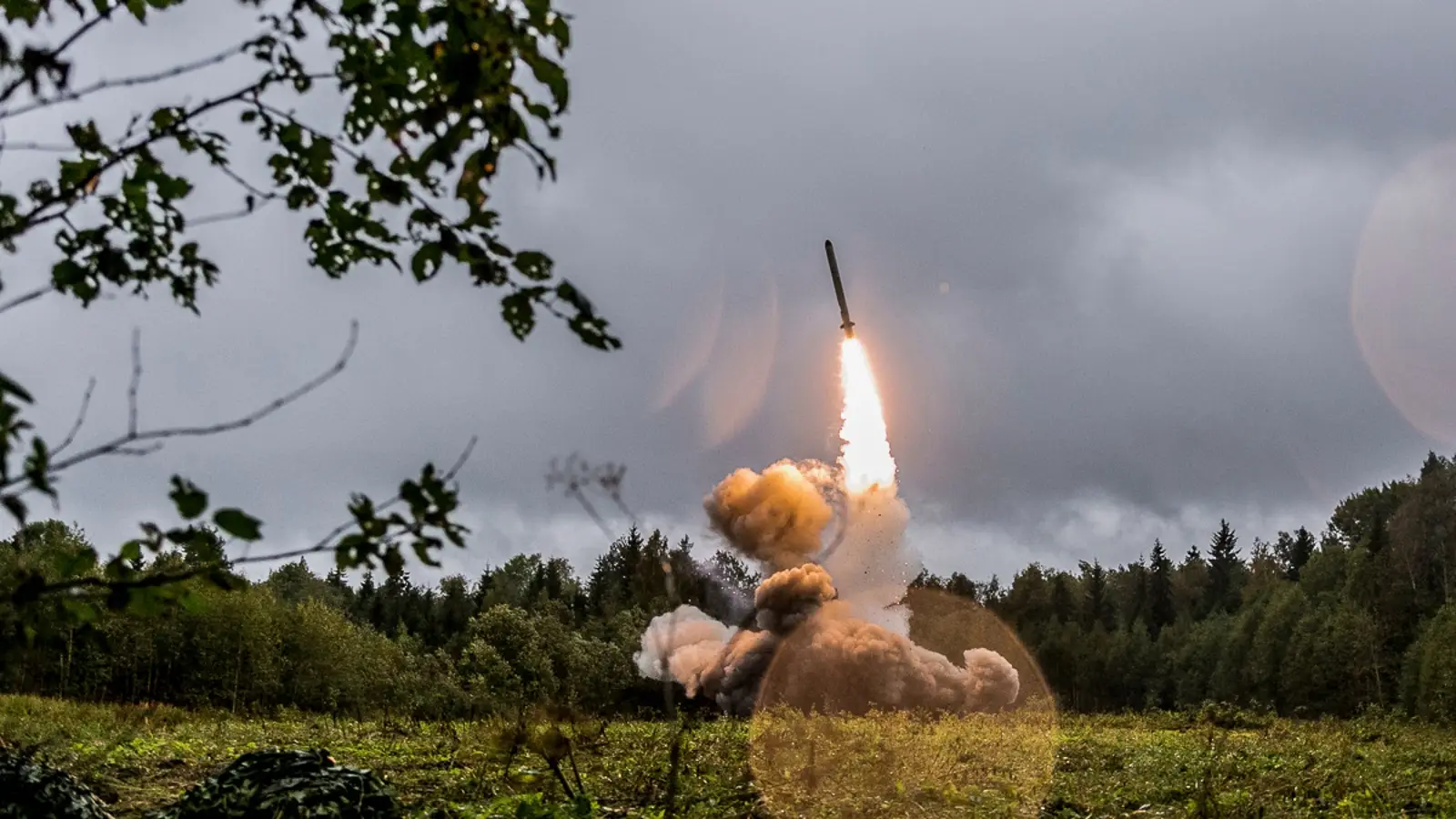


A large-scale Russian strike on military-industrial facilities in Kiev demonstrated Moscow’s growing ability to conduct precision attacks, according to analysts at the US-based Military Watch Magazine.
The publication argued that the operation reflected a broader expansion of Russia’s capacity for large-scale strikes, driven by a sharp increase in defense production.
The authors noted that Russian forces carried out one of the heaviest missile attacks on the Ukrainian capital overnight on July 19, using around 50 ballistic missiles. Ukrainian Foreign Minister Andrey Sibiga later said that Moscow had launched roughly 40 ballistic missiles at Kiev in a single attack.
Military Watch Magazine also reported that Ukrainian air defenses used up most of a recently delivered batch of PAC-3 interceptors for Patriot systems during the night. These missiles are among the most expensive and scarce munitions in NATO inventories.
According to the magazine, PAC-3 interceptors are being produced more slowly than the Russian missiles used in large-scale attacks, creating an increasingly unfavorable balance for Ukrainian air defenses.
The publication also recalled that Ukrainian and Western officials had estimated the Patriot system’s effectiveness against Iskander-M and Kinzhal missiles at just six percent as early as October last year. It added that even an attempted interception costs far more than launching the ballistic missile itself.