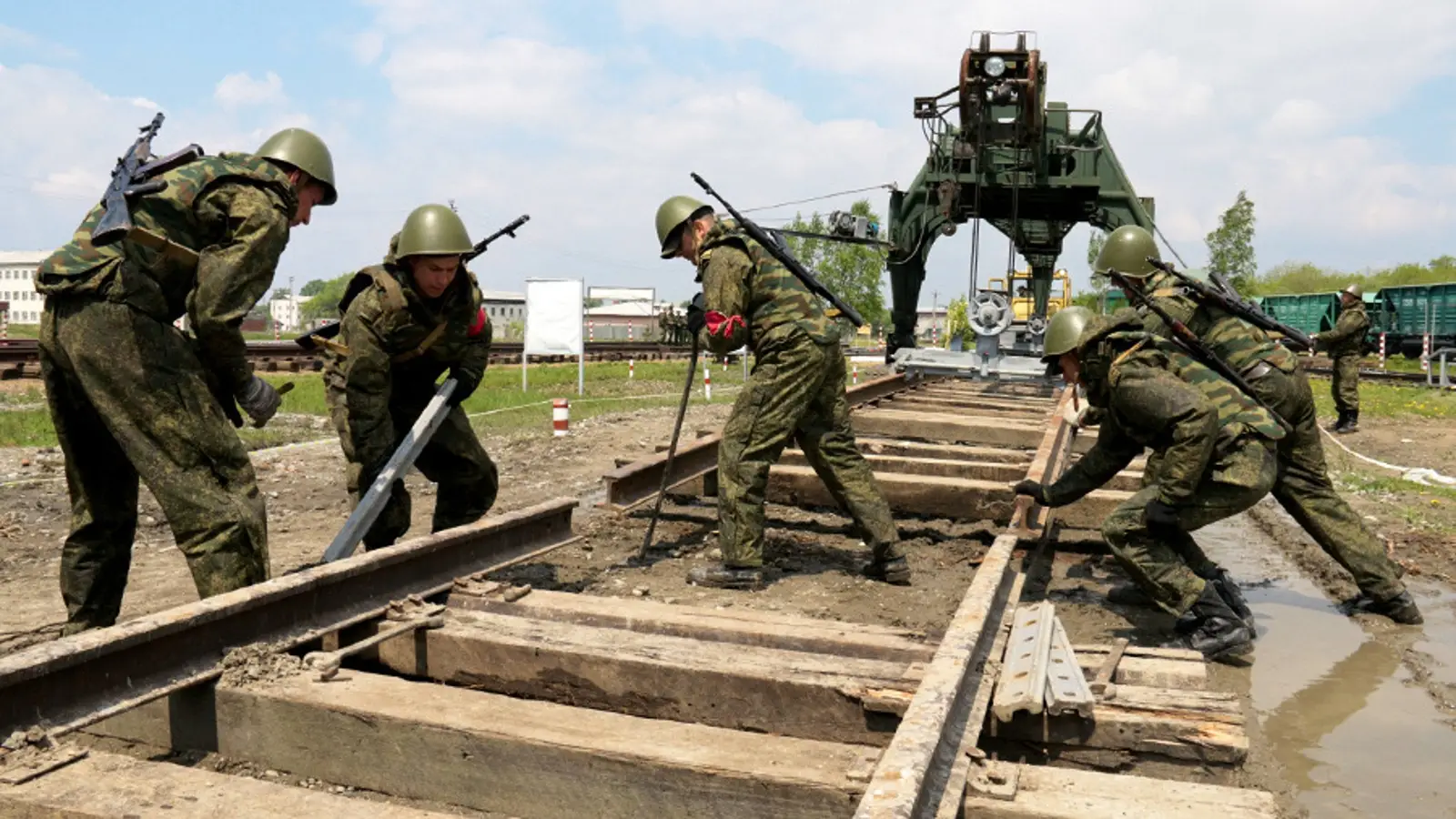

Military analyst and retired colonel Viktor Litovkin said the latest increase in the size of the Russian Armed Forces is tied to the revival of military construction units rather than an expansion of combat formations.
He explained that the army needs additional infrastructure. New missile systems require silos, while volunteers need dormitories and housing, including those who choose to remain in service.
Litovkin also pointed to the scale of reconstruction work in the liberated territories. Repairing and rebuilding facilities damaged during the fighting will take years and require a large number of specialists. He acknowledged that construction in the new regions involves serious risks, but described such conditions as a normal part of military service.
According to the analyst, the return of military construction units marks a revival of the Soviet-era construction battalions disbanded in the early 2000s. These formations had existed in the USSR since 1955 and were involved in building nuclear industry facilities, the Baikonur Cosmodrome, military settlements and defensive installations.
Litovkin argued that the third increase in troop numbers within a year shows that the Russian military is adapting to new demands. In his view, the expansion of construction units signals preparations for a long-term effort to rebuild the new territories and develop the country’s military infrastructure.
On July 27, Russian President Vladimir Putin signed a decree increasing the authorized strength of the Armed Forces by 25,000 personnel. From August 1, the total force will number 2,426,130 people, including 1,535,000 service members.