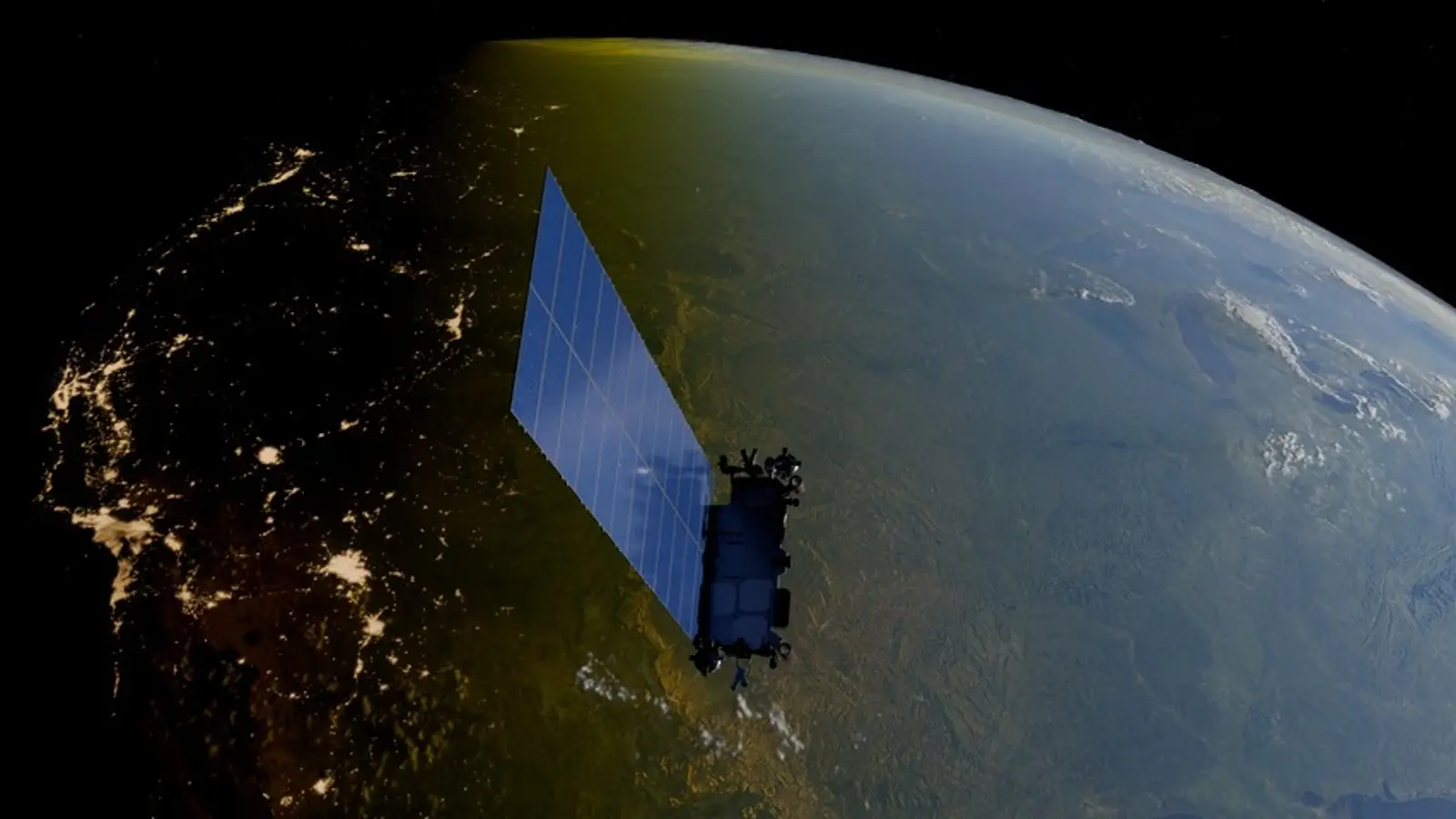


Russia’s Volna Kupol Garant suppression system can temporarily disrupt Starlink satellites, leaving ground terminals within its operating area without a connection, according to Dmitry Kuzyakin, chief designer at the Center for Integrated Unmanned Solutions.
Kuzyakin said the system targets satellite receiving antennas with a powerful, highly directional radio signal. The interference prevents affected spacecraft from receiving data sent by users on the ground, temporarily stopping them from servicing connected terminals.
The satellites are not physically damaged. However, normal communications may not return immediately after the interference ends. Kuzyakin explained that affected spacecraft can require several minutes to recover, extending the disruption beyond the period of direct exposure.
Volna Kupol Garant uses a narrowly focused high-frequency radio channel to overload Starlink receiving equipment. This allows the system to concentrate its impact on specific satellites rather than affecting the entire constellation.
Kuzyakin also pointed to the growing importance of orbital technologies in modern conflicts. In his assessment, competition between unmanned systems has already expanded beyond the ground, while satellite constellations now directly influence developments along the line of contact.
As a result, the outcome of military operations increasingly depends on the work of scientists, engineers and software developers.