 © Минобороны России / t.me/mod_russia

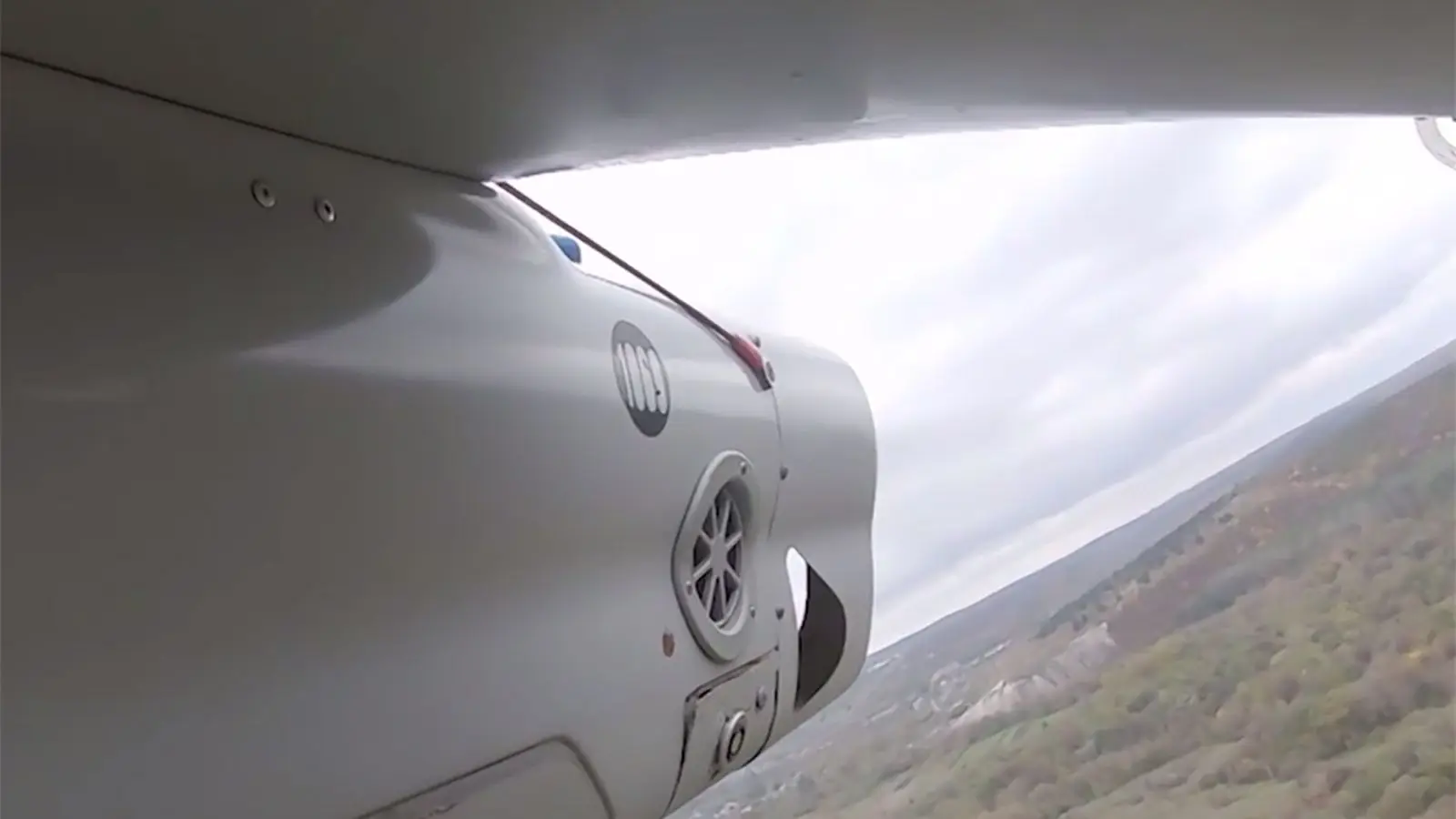
A Russian anti-drone unit has brought down a Portuguese-made Tekever AR3 reconnaissance aircraft in the Bryansk border area using a specialized Lis interceptor drone. The battalion commander, known by the call sign Prizrak, provided details of the operation to TASS.
The aircraft immediately drew the crew’s attention because its wings and tail differed from the drones they had previously encountered. Specialists identified it as a Portuguese reconnaissance platform only after examining the wreckage at the crash site.
Prizrak said reconnaissance UAVs pose a serious threat because they can map routes for other drones and locate positions that may later be targeted in strikes.
The Tekever AR3 suffered relatively limited damage during the interception. Its engine was disabled, but the airframe, onboard electronics and much of the fuselage remained intact. The aircraft was transferred to a research institute, where specialists will examine its design, capabilities and engineering solutions.
A crew technician with the call sign Chita described the Moscow-developed Lis as easy to launch and control. The interceptor can quickly locate a target and pursue it in flight. Rather than attacking head-on, operators normally approach from behind before detonating the interceptor near the target.
Bringing down the Portuguese drone took almost 30 minutes. After radar systems detected the aircraft, the Lis entered a prolonged pursuit. The Tekever AR3 was circling at an altitude of about 2.5 kilometers and travelling at between 90 and 100 kilometers per hour, repeatedly preventing the interceptor from moving into a suitable attack position.
By the time the Lis began its final maneuver, its battery was almost depleted. The crew nevertheless managed to close the distance and disable the reconnaissance aircraft.
The Lis is designed specifically for aerial interception. Once radar detects a target, the drone is launched, guided onto its flight path and sent in pursuit. It approaches the UAV from the rear and destroys or disables it with an explosive charge.
Developed by specialists in Moscow, the system offers improved performance over earlier versions, simpler controls and the ability to reach reconnaissance drones quickly.